
.webp?width=832&height=592&name=customer-support%20(1).webp)







 Car Finance
 Cars & Gadgets
 Car Maintenance
 Tips & Advice
 News
News
 Road Trips
 Pop Culture
.webp?width=400&height=285&name=online-shoppers-with-dog%20(1).webp)


.jpg?width=500&height=356&name=Vintage%20car%20going%20to%20an%20old%20town-1%20(1).jpg)

Written by

Verified by

 What we cover


Manual cars are cheaper and more engaging to drive, while automatics are easier and increasingly more common, especially in new models. If you pass your test in an automatic car, you're also limited to driving automatics. So the choice matters.
There's more to it than that, of course. In this article, we'll walk you through the whole manual versus automatic debate and what it means for UK drivers, learners and car buyers. We'll compare ownership costs and driving experience, along with other key issues such as upfront price, maintenance costs, fuel economy, driving style and licence implications, so that you can decide whether a manual or automatic car is right for you.
Key takeaways
-
Manuals are cheaper to buy and generally cost less to run
-
Automatics are well-suited to stop-start driving, while manuals give more driver engagement
-
Manuals tend to be more fuel-efficient, but the difference is often small
-
New manual cars are becoming harder to find; all full hybrids, plug-in hybrids and EVs are automatic
-
Learning to drive an automatic is simpler, but an automatic-only licence limits your options
What are the main differences between a manual and an automatic car?
Manual cars have a clutch pedal and require the driver to change gears; automatics do the shifting for you. That’s the main difference, and it changes how you drive day-to-day.
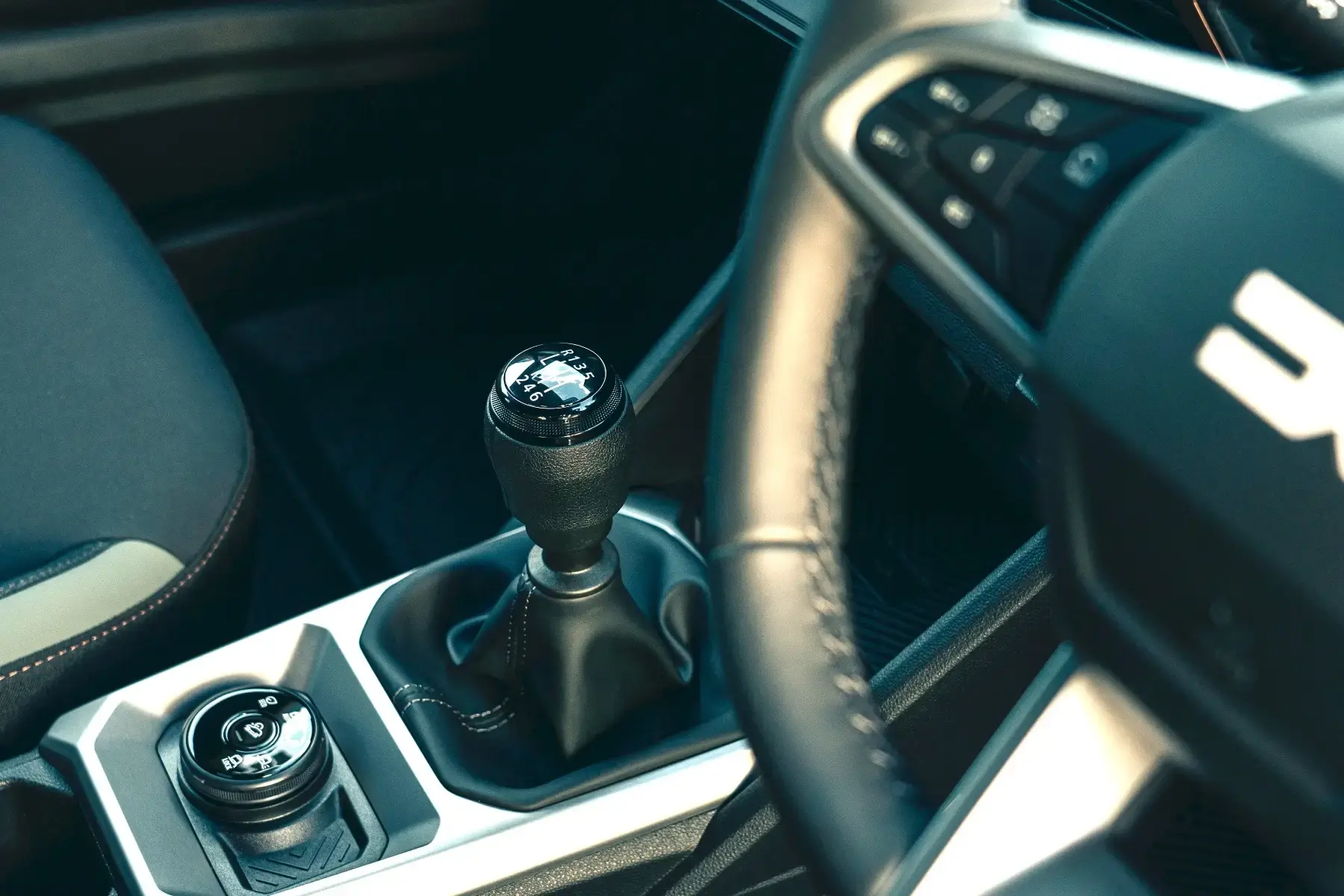
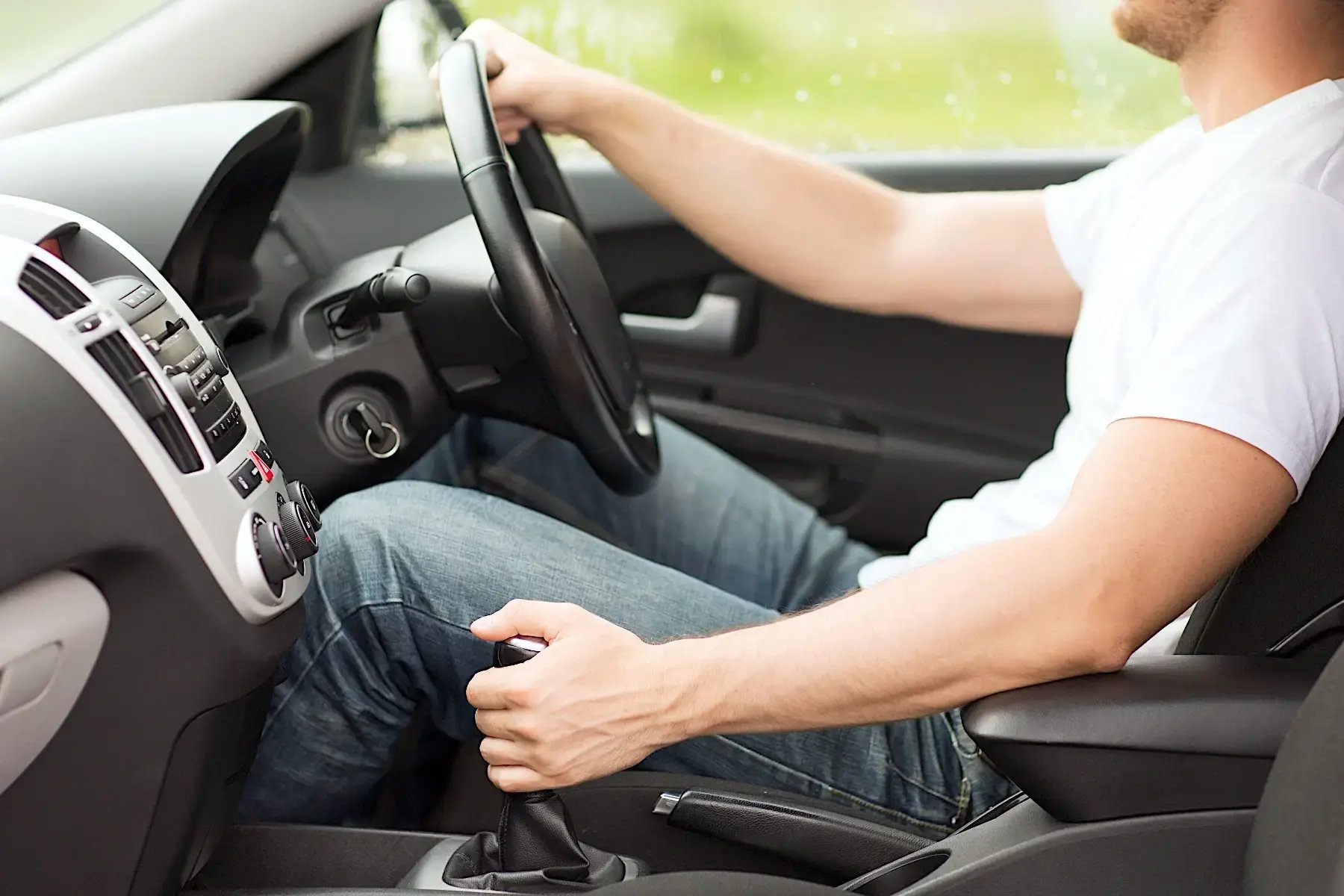
In a manual car, you’ll find a gear stick and a third pedal (the clutch). Pressing the clutch briefly disconnects the engine from the wheels so you can change gear smoothly or come to a stop without stalling. Most modern manuals have six gears, while older or more budget-friendly models might have five.
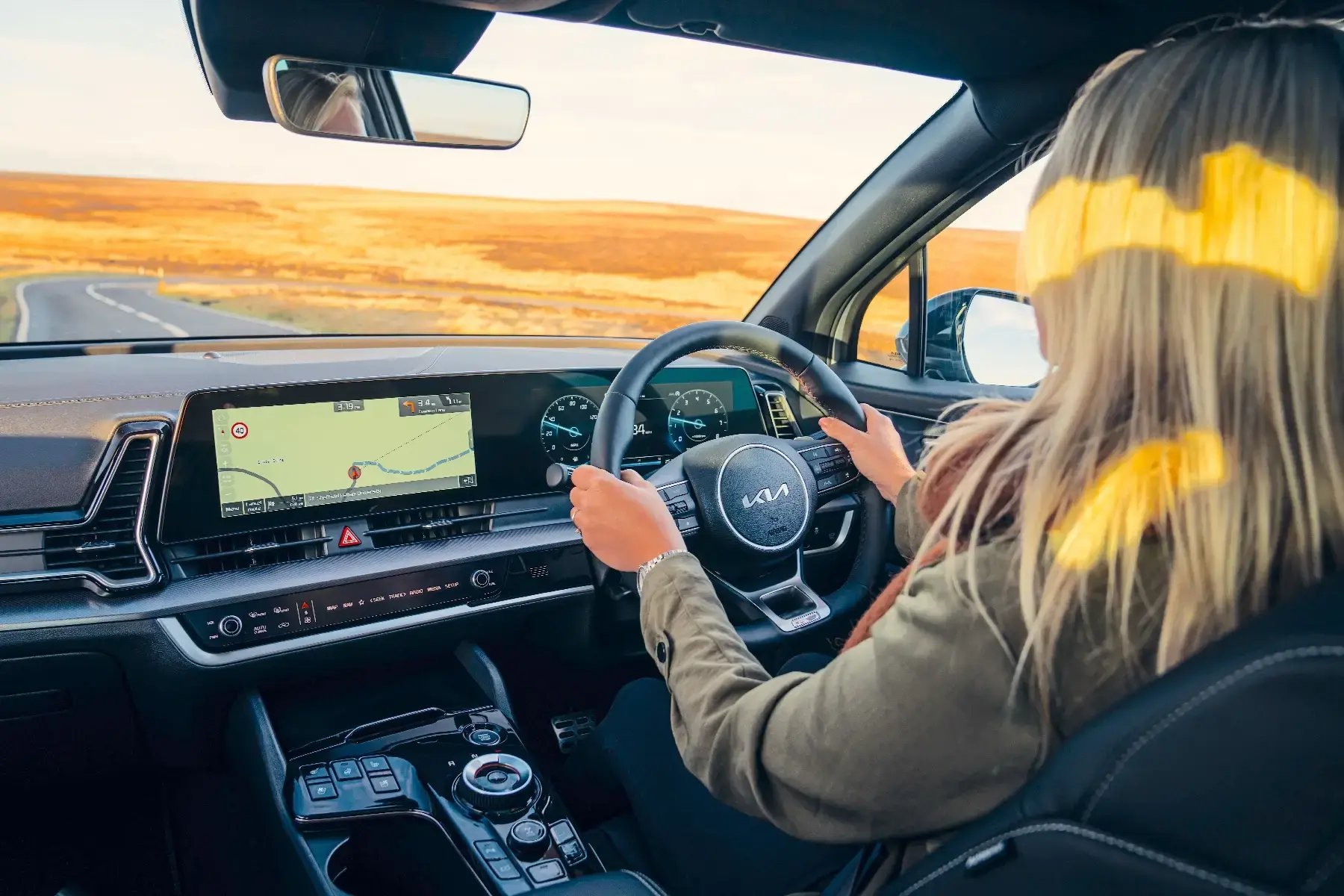
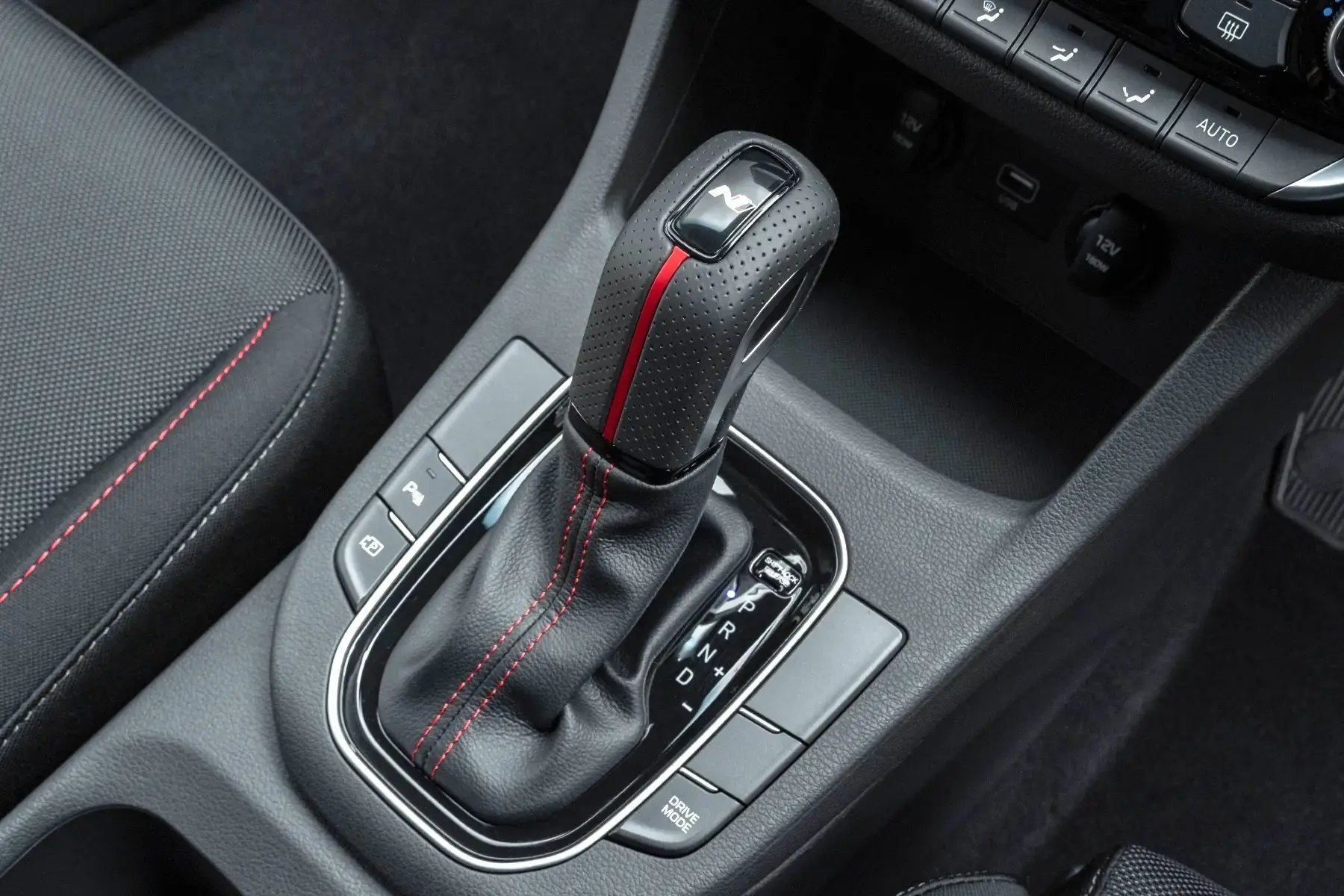
Automatics are simpler to operate than a manual. Select ‘D’ for drive, press the accelerator, and go. The car manages gear changes on its own, which means no clutch, no stalling, and less hassle in traffic or on hills.
There are also several types of automatic gearboxes like torque converters, dual-clutch transmissions (DCT), automated manuals, and CVTs (continuously variable transmissions). Different brands have different names for their automatic gearboxes, too, including Steptronic (BMW) Xtronic (Nissan) and DSG (Seat, Skoda, Volkswagen). Despite their differing names and tech, the bottom line is that each one does the gear-changing for you.
Manual vs automatic cars: key differences
If you’re trying to decide between a manual or automatic car, cost is probably a major consideration. Most of us want to spend our money wisely, so it’s worth thinking beyond the purchase price. Long-term manual vs automatic costs such as fuel, maintenance, insurance, tax and depreciation all add up over time.
You should also think about your driving requirements and any pain points there might be. If a lot of your driving is in the city, an automatic might help ease the strain of stop-start traffic and tricky manoeuvres. If most of your driving is on country roads or motorways, however, you might appreciate the extra control and involvement that a manual gearbox gives you.
The type of car you’re getting plays a part, too. Automatic gearboxes have become increasingly popular and today only about a quarter of new car models in the UK are available with a manual gearbox. All full-hybrid, plug-in hybrid and electric cars, and most high-end models, are automatic-only.
Purchase price and maintenance costs
Automatic cars generally cost more than an equivalent manual, whether you’re buying new or used, simply because an automatic gearbox is more complex and costly to produce.
If you’re buying new, choosing an automatic rather than manual gearbox is likely to add about £1,500 to the price. With a used car that price gap will narrow due to depreciation, but with many cars you’ll find that automatics hold their value better than an equivalent manual due to their more limited supply.
The cost of servicing, maintenance and insurance is usually slightly higher for an automatic car compared with an equivalent manual, again because of their more complex technology.
Each transmission type has its quirks. In a manual car, the clutch will need to be replaced every 50,000-80,000 miles due to normal wear and tear. That’s likely to cost somewhere between £500 and £1,000. Many automatic gearboxes have specific servicing or fluid change requirements. These cost an average of £200-£500 and shouldn’t be missed because the cost of major repairs or replacement can run into thousands.
Fuel efficiency
The question ‘do manual or automatic cars use more fuel?’ used to be easy to answer because older automatic gearboxes were far less fuel-efficient than a manual. However, nowadays, some automatic cars can match, or have better fuel economy than, a manual car.
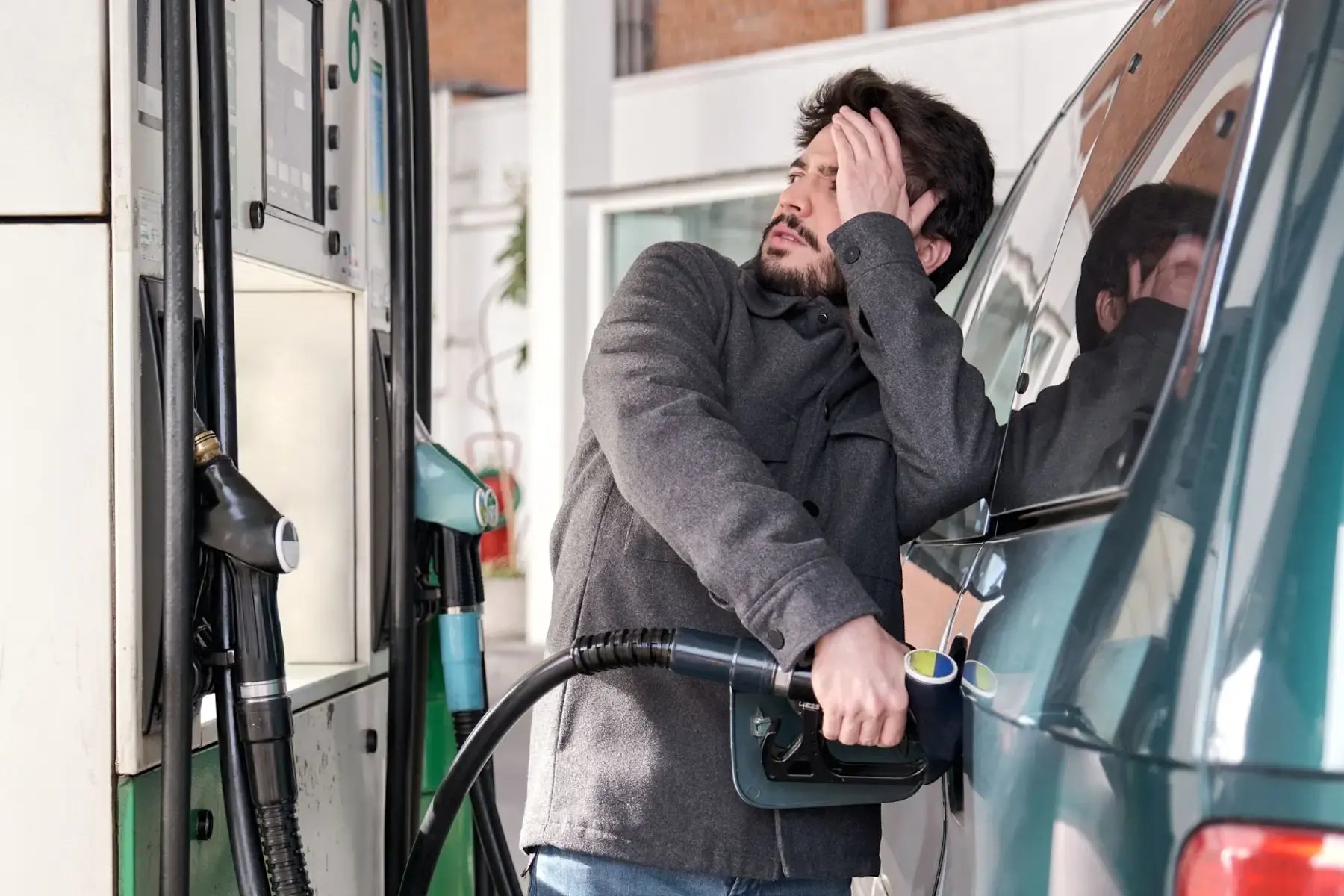
Ultimately, it all depends on the make and model of the car, and what kind of automatic gearbox it has. Here are a few examples, using the official average figures and looking at brand-new petrol cars where there are directly equivalent manual and automatic models:
| Model | Manual fuel economy (mpg) | Automatic fuel economy (mpg |
| Ford Puma | 52.3 | 49.6 |
| Kia Picanto | 51.4 | 50.4 |
| Kia K4 | 50.4 | 50.4 |
| Mazda 3 | 47.1 | 44.8 |
| Nissan Qashqai | 44.8 | 45.6 |
In most cases, an automatic gives slightly worse fuel economy than a manual, but the opposite is true with the Nissan Qashqai and in the case of the Kia K4, there’s no difference.
The driving experience
First things first: whether you prefer driving a manual or automatic car is likely to be a matter of personal taste. If you like to feel involved and in absolute control, a manual is your best bet. You get to choose exactly when to change gear, and there can be a sense of satisfaction in balancing the gears, clutch and brakes to get the car to do exactly what you want it to.
If you want an easier life, an automatic is the way to go. There’s no clutch, and no need to worry about stalling. All you need to do is select forward or reverse. Automatic cars make driving in stop-start traffic simpler, so they’re a great fit if you live in the city. It requires less physical effort to drive an automatic, too, which takes the strain out of a long commute and can be helpful for those with mobility issues. Many people prefer an automatic for towing, too, since they make hill starts and low-speed manoeuvring with the extra weight of a trailer or caravan easier.
One thing to be aware of is that many modern petrol or diesel-powered automatic cars have a ‘manual’ mode that allows you to change gear yourself, shifting up or down using the gear selector, or steering wheel-mounted ‘paddles’.
Pros and cons of manual cars
A manual car can be the right choice depending on your needs, priorities and budget.
Here are the main pros and cons of manual cars:
Pros
-
Cheaper to buy, new or used
-
Lower maintenance and insurance costs
-
Often more fuel-efficient than automatics
-
More driver involvement and control
Cons
-
More effort is required, especially in stop-start traffic
-
Can cause anxiety around stalling and hill starts
-
Limited availability in new cars
-
Steeper learning curve for new drivers
Pros and cons of automatic cars
Automatic cars make driving easier, but there are some key advantages and disadvantages to consider.
Here are the main pros and cons of automatic cars:
Pros
-
Easier to drive than a manual
-
No worries over stalling or hill starts
-
Can help those with mobility issues
-
Some driver assistance features are available only for automatics
Cons
-
More expensive to buy, new or used
-
Higher running and ownership costs
-
Less involving to drive
-
Potential for high repair costs
Manual vs automatic cars: which is better for new drivers?
Manual cars give you more flexibility and lower costs; automatics are easier to learn but limit your options. For learner drivers, deciding which UK driver's licence to get is one of your first big decisions.
If you choose to learn in a manual, you’ll get a full Category B licence, which means you can drive both manuals and automatics. This opens up more choices when buying your first car and can save you money on insurance and purchase price. Lessons in manuals are often cheaper, and you’ll find more instructors available.
Learning in an automatic is simpler, no gears, no clutch, no stalling. It’s a smoother introduction to driving, especially if you’re nervous or planning to drive mainly in cities. However, it comes with trade-offs: automatic lessons can cost more, fewer instructors offer them, and you’ll only be licensed to drive automatics. If you later decide to drive a manual, you’ll need to redo lessons and retake your test.
Conclusion
Manuals are cheaper and more engaging; automatics are easier and better suited to modern driving. Your choice will come down to how you drive, what you value, and how much you want to spend.
Manual cars offer lower upfront costs and more control behind the wheel. Automatic cars, on the other hand, are simpler to operate (especially in stop-start traffic) and are becoming the default option in newer models.
If budget is on your mind, explore HP car finance or PCP car finance options to see which setup might work for you. Both can help you spread the cost, whether you’re going manual or automatic.
To decide if a manual or automatic suits you best, ask yourself:
-
What’s my driving style and daily route like?
-
Do I prioritise price, comfort, or convenience?
-
How much am I willing to spend on purchase and running costs?
-
Do I want the flexibility to drive both types?
There’s no right or wrong answer, but if you’re unsure, test-driving both is a great way to see what feels best. And if you’re just learning to drive, remember: a manual licence lets you drive either, but an automatic licence means you’re limited to autos.
There are lots of online calculators that can help compare ownership costs, such as the ones at Go.Compare and HPI. And, if you can, it’s worth test-driving both manual and automatic cars to get a feel for what you prefer.
Whichever you choose, make it the smart way with a car and finance plan that fits your lifestyle.
What does the total amount payable mean in car finance?
Total amount payable is the full amount you’ll pay for a car finance deal, including the amount you borrow, interest, and any...


Can you get car finance without a driving licence?
Yes, lenders like Carmoola offer car finance without a driving licence. Carmoola accepts applications from customers with a UK...

Getting car finance with a CCJ: what you need to know
You might still be able to get car finance with a CCJ (County Court Judgment), but you’re likely to face stricter checks and...