

.webp?width=832&height=592&name=customer-support%20(1).webp)










 Car Finance
 Cars & Gadgets
 Car Maintenance
 Tips & Advice
 News
News
 Road Trips
 Pop Culture
.webp?width=400&height=285&name=online-shoppers-with-dog%20(1).webp)


.jpg?width=500&height=356&name=Vintage%20car%20going%20to%20an%20old%20town-1%20(1).jpg)




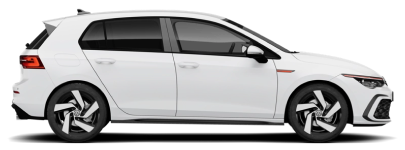

The Carmoola car depreciation index, powered by Brego, clearly and colourfully helps make sense of which cars hold their value the best —and those that might have dropped like a stone.
Make and models

Using a benchmark of 36,000 miles / 3 years we found the models and makes that hold their value the best and those that struggled to keep theirs after rolling off the forecourt.


Top 10 cars retaining their value
 A1
Audi
A1
Audi
.png) Macan
Porsche
Macan
Porsche
 i10
Hyundai
i10
Hyundai
.png) Picanto
Kia
Picanto
Kia
.png) Yaris Cross
Toyota
Yaris Cross
Toyota
.png) Polo
Volkswagen
Aygo
Toyota
Polo
Volkswagen
Aygo
Toyota
.png) Countryman
Mini
Countryman
Mini
.png) Jazz
Honda
Clubman
Mini
Jazz
Honda
Clubman
Mini
Bottom 10 cars retaining their value
.png) Zoe
Renault
Zoe
Renault
.png) I-Pace
Jaguar
E-Tron
Audi
I-Pace
Jaguar
E-Tron
Audi
 Corsa
Vauxhall
IONIQ
Hyundai
Corsa
Vauxhall
IONIQ
Hyundai
.png) Leaf
Nissan
Leaf
Nissan
 C4
Citroen
Mokka
Vauxhall
C4
Citroen
Mokka
Vauxhall
 2008
Peugeot
208
Peugeot
2008
Peugeot
208
Peugeot

Audi A1
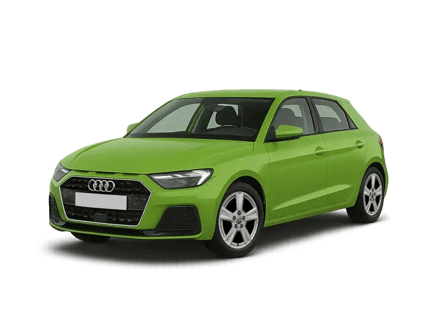
The popular hatchback topped our list of cars retaining their value, losing on average just 18.5% of its original value in the first three years or 36,000 miles. At a current average sale price of £24,230, this means that an Audi A1 would only lose £4,483 in that time.
.png)
.png)

.png)
.png)
.png)
.png)

Porsche perfection
Porsche drivers can feel even more satisfied, with the iconic German performance brand proving a shrewd financial choice by retaining 75.9% of its value - the highest average of any marque in the UK.

Dismal DS
French marque DS is still finding it difficult to cement its place as a premium brand, with Citroën’s luxury offshoot seeing its cars shed almost half their value within just a few years of ownership.

Renault’s repeat defeat
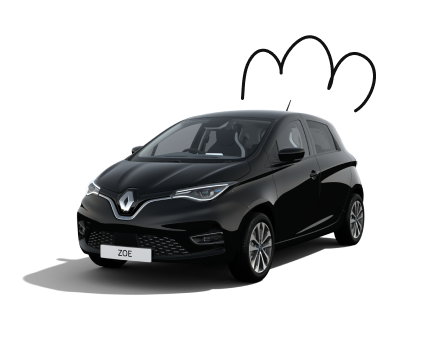
For the second year running, Renault ZOE is the UK’s worst car for depreciation. With the model now discontinued and outshone by the retro-styled Renault 5, three-year-old ZOEs are holding just 30% of their original value.

Still searching for your dream ride?
Browse thousands of cars from approved dealerships, and see your budget in seconds.
Let’s find my carFuel type 
Is the surge in electric vehicles a genuine long-term shift in motoring, or merely a trend driven by hype and incentives that could carry costly consequences? The data suggests that, despite government efforts to phase them out, traditional petrol models still hold their value far better in the used car market.
Depreciation of car value by fuel type
-
 Petrol
 -
 Diesel
 -
 Electric
 -
 Plug-in Hybrid
 -
 Hybrid
Electric shock
Electric vehicles saw the sharpest depreciation, losing a whopping 54% of their original value after the first three years - a possible reflection of rapidly advancing technology and questions about battery lifespan. Despite this, Hybrid vehicles are continuing to retain desirability with their value dropping by a mere 27% over the same timeframe.

Car colour 
Will choosing a traditional car colour help preserve some of its value or does risking a more jazzy finish help it stand out from the crowd?
Depreciation of car value by colour
- Green
- White
- Silver
- Blue
- Black
- Red
- Brown
- Grey
- Orange
Shades of loss
Conventional shades like black, grey, and silver suffer the sharpest depreciation over a ten-year period, with black cars holding on to just 32% of their original value by year ten. While these colours remain popular choices when new, they often struggle to make an impact in the used car market.
Green Greatness
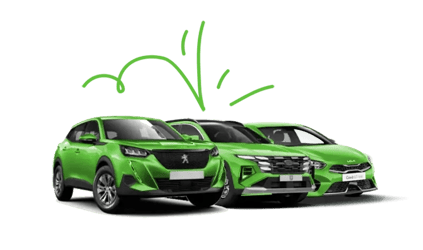
More vibrant and adventurous colours tend to hold their value better over time. By year ten, green and orange cars lose only 62% of their original value, while red cars lose 64%. These bolder shades appear to give vehicles greater longevity in the resale market, making them slower to depreciate compared to more traditional tones.
Body type 
Does a family-friendly MPV keep its value better than a more dated saloon or estate car body type?
Depreciation of car value by body type
-
 Hatchback
-
 Small SUV / Estate
-
 Saloon
-
 Large SUV / 4x4
-
 Coupe
Coupe
-
 Sports
-
 MPV
MPV
Most depreciation
proof car
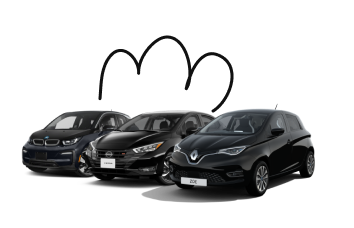
Green Audi A1
Least depreciation
proof car
Black Renault Zoe
Want to find out more?
.webp?width=400&height=285&name=online-shoppers-with-dog%20(1).webp)
What is car depreciation and how does it work?
In a nutshell, depreciation is how much value a car loses over time. It’s the difference between a car’s value when it’s...

What are the best first cars?
Not sure which car to buy as a first time car owner? Let us help choose a safe, reliable, and affordable option...
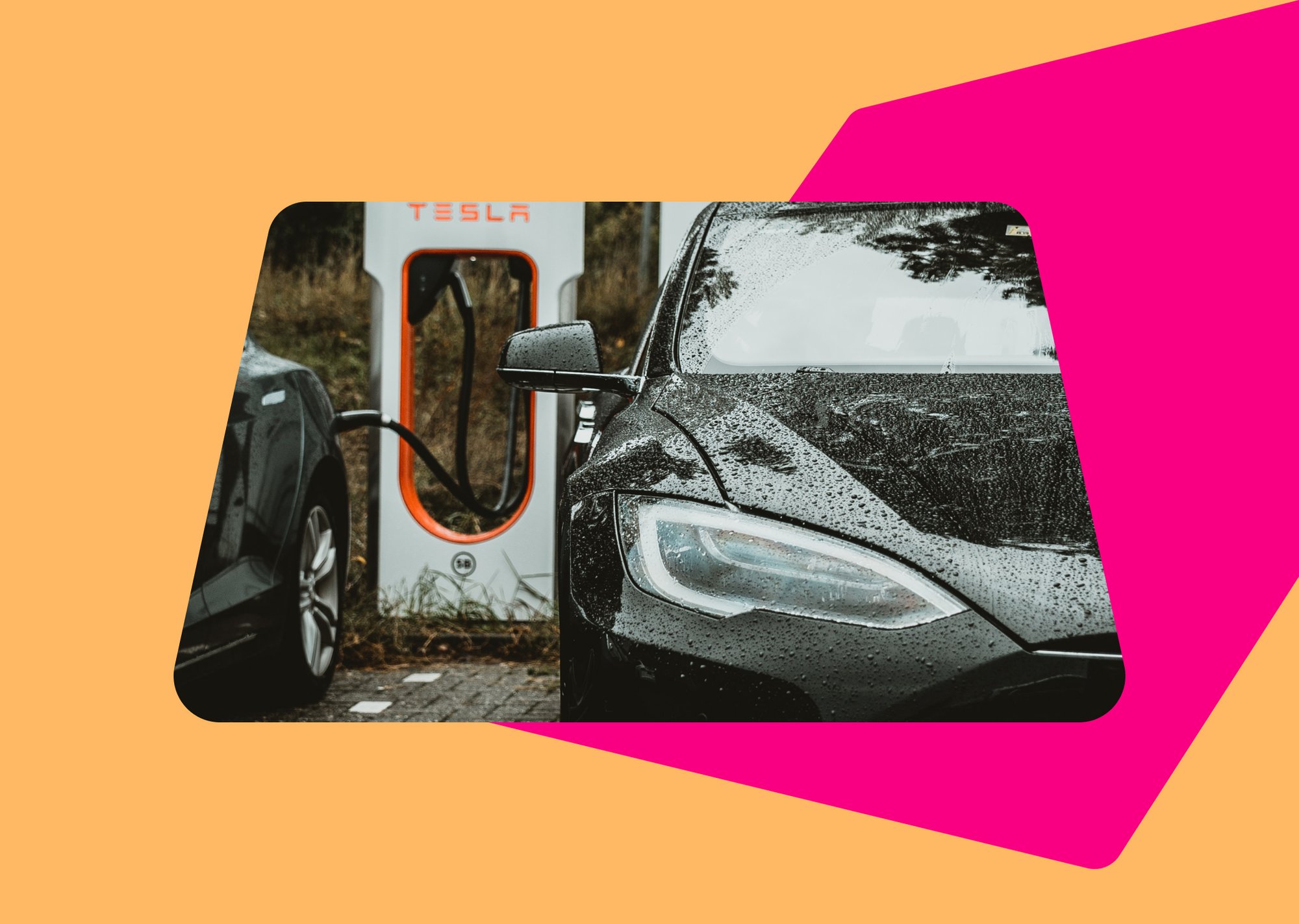
Should I buy an electric car?
You likely have questions: how far can an electric car go? Is it really affordable in the long run? And, most importantly, is an EV right...