

.webp?width=832&height=592&name=customer-support%20(1).webp)












 Car Finance
 Cars & Gadgets
 Car Maintenance
 Tips & Advice
 News
News
 Road Trips
 Pop Culture
.webp?width=400&height=285&name=online-shoppers-with-dog%20(1).webp)


.jpg?width=500&height=356&name=Vintage%20car%20going%20to%20an%20old%20town-1%20(1).jpg)


Written by

Verified by

 What we cover


When you’re buying a new or used car from a dealership, chances are they’ll offer you a bunch of extras. Common car add-ons include an extended warranty, service plan, paint protection or GAP insurance. You might also be offered alloy wheel/tyre insurance, or various accessories. None are essential, but some might give you added peace of mind or save you money down the line.
So, are they smart add-ons or just sneaky upsells? Let’s cut through the noise and help you decide which ones are genuinely useful.
Car add-ons vs. car options: what’s the difference?
Add-ons are extras you can purchase when buying any car – new or used. Think warranties, tyre insurance, or floor mats. Options, on the other hand, are features you can only choose when ordering a new car, like upgraded wheels or tech packs.

The key difference? Most options must be factory-fitted when the car is built. Add-ons, meanwhile, can be bolted on at the point of sale. Some tech options can now be activated via over-the-air updates, but that’s still fairly rare.
Which car add-ons are commonly offered?
Here’s a quick run-through of what’s typically offered as a car add-on:
- Extended warranty
- Service or maintenance plan
- GAP insurance
- Paint, rust or fabric protection
- Alloy wheel or tyre insurance
- Accessories and in-car tech
Let’s explore each one in more detail – with the pros, cons, and who they might suit best.
Is an extended warranty worth it?
An extended warranty is a type of insurance that kicks in once the original manufacturer's warranty ends. It covers major mechanical and electrical issues but typically excludes wear-and-tear items like tyres, brake pads, and batteries.
Warranties can be bought at any time, but usually come with mileage and age limits. They’re available from both car manufacturers and third-party providers.
Extended warranty pros
- Could save you money on expensive repairs
- Provides peace of mind
- Can help you plan your budget
Extended warranty cons
- You may never need to make a claim
- Can be expensive
- Could be cheaper to set aside money for repairs
Check out our guide to extended warranties for more info.
Are car service plans worth it?
A car service plan (or maintenance plan) covers the cost of your car’s scheduled services for a fixed period. In most cases, you can choose to pay either a lump sum up-front or monthly instalments, usually for the same cost overall.
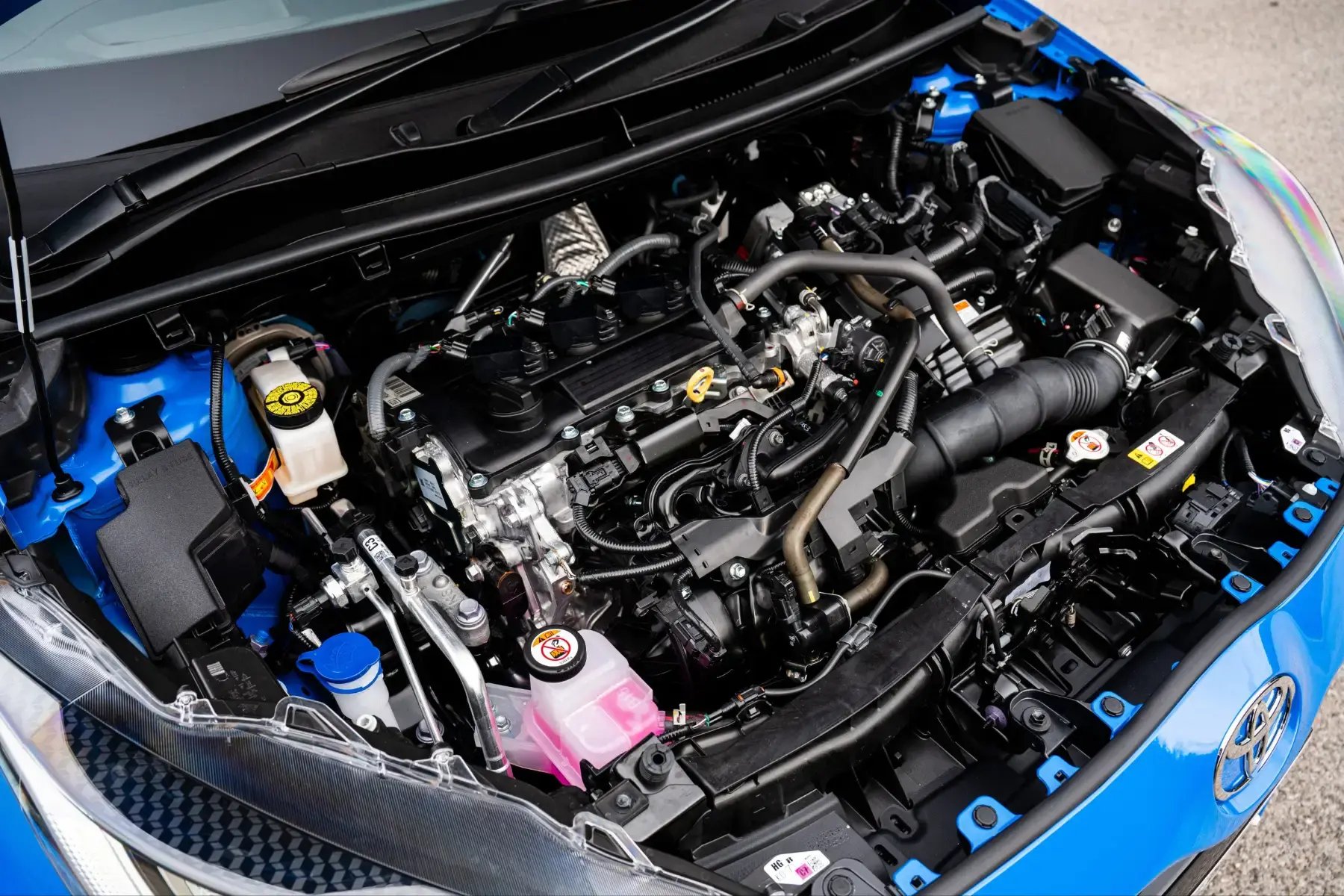
Most car brands offer their own service plans, where you take your car to the official dealership for servicing. Lots of independent companies also offer service plans that allow you to take your car to selected independent garages.
If you change your car, some service plans can be transferred to the next owner if all the payments have been made, or you can get a refund (or partial refund). In either case, there may be fees to pay.
Whether you’re buying a manufacturer service plan or an independent one, you can usually find out how much these cost by entering the car’s registration number on the relevant website to get a quote. There’s generally a fixed price based on the car’s age and mileage, so it’s worth doing your homework first. If you’re offered a service plan, be sure that the price is what you expected. And remember that you can buy a service plan at any time once you own the car, depending on its age and mileage.
Pros of car service plan
- Can work out cheaper than paying for individual services
- Ensures you don’t miss a scheduled service
- Fixed price allows you to budget and avoid inflation
- Option to pay monthly
- Often includes the cost of MOTs
- Can usually be transferred
Cons of car service plan
- Can work out more expensive than individual services
- There may be fees/costs if you change your car
- Usually ties you to in specific dealerships or franchises
Is GAP insurance worth it?
Guaranteed Asset Protection (GAP) insurance covers the difference between what your car is worth today and what you originally paid (or owe on finance) if it gets written off. It’s popular for newer cars, which depreciate fastest.
Types of GAP insurance:
- Return to Invoice: covers the gap between today’s value and the purchase price
- Vehicle Replacement: pays the cost to buy a new equivalent car
- Finance GAP: clears your outstanding finance balance
It’s not mandatory, and new cars often include 'new for old' replacement for the first year via comprehensive insurance. Dealers must offer a cooling-off period so you can compare prices elsewhere.
Remember that it pays to shop around. There are lots of companies that offer GAP insurance and various comparison sites that allow you to check out the deals available.
Check out our guide to GAP insurance for more info.
GAP insurance pros
- Could save you thousands if your car is written off
- Particularly suited to high-value cars
- Not hugely expensive (average cost of £150-£500 for three years)
- Huge variety of providers and options
GAP insurance cons
- You may never use it
- Usually redundant for cars up to one year old
- Not good value for older cars that depreciate slowly
- Not always transferable if you sell your car
Is paint/rust/fabric protection worth it?
Many car dealers will give you the option of protection treatments when you buy your car. Paint protection and fabric protection are the most common types, although some may also offer rust protection. Paint protection can be in the form of a wax or film, while fabric protection is usually a simple spray-on treatment and rust protection is usually some kind of oil or wax.
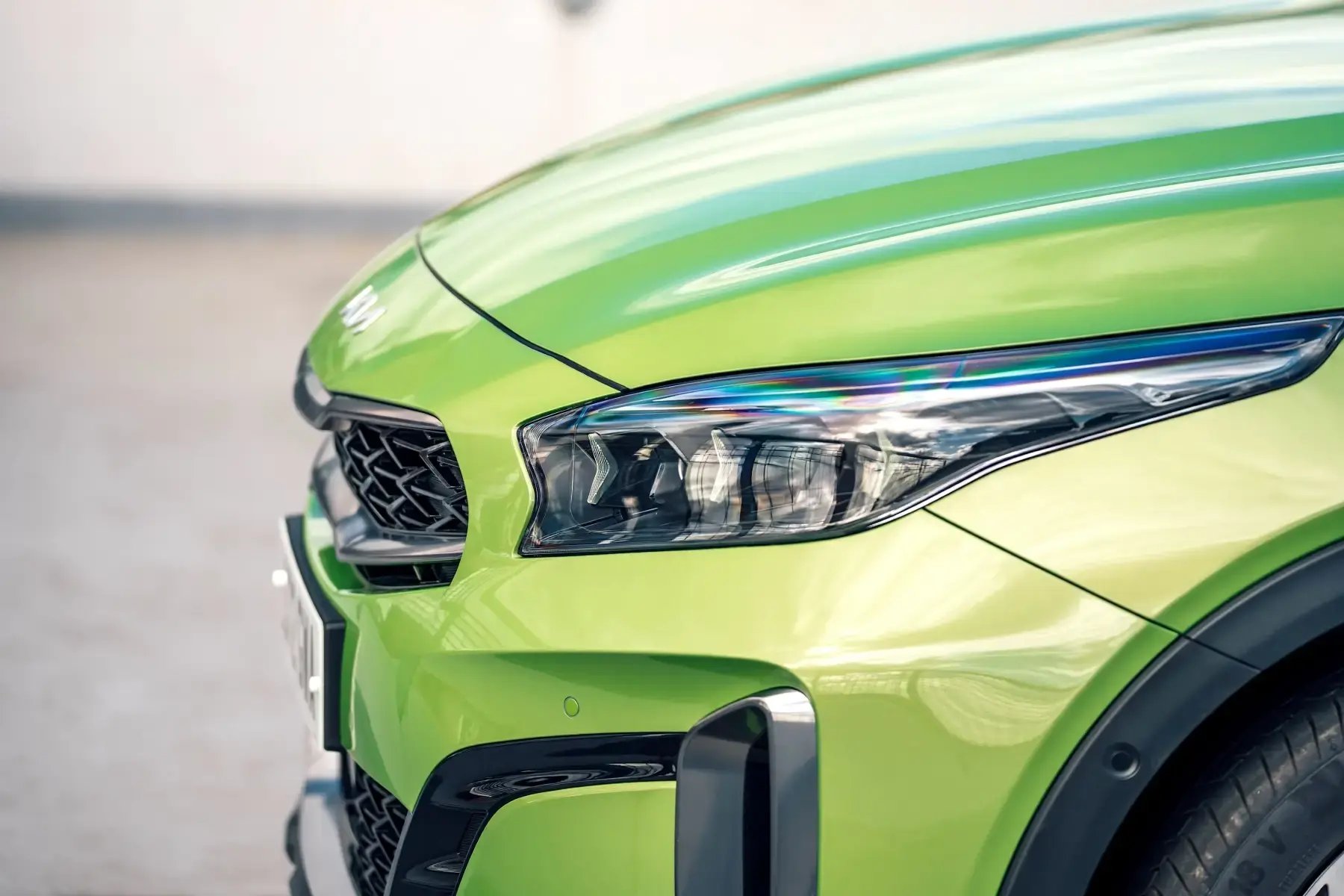
Paint protection can be useful if you have a high-value car and want to keep it looking good. Fabric protection has obvious appeal if you regularly carry dogs or children in your car, while rust protection can be useful if you live near the sea or in an area where road salt is used regularly.
In each case, though, there are lots of independent providers that specialise in these products and could potentially provide them for less. Especially if the dealer outsources these options to an independent company anyway.
Car paint/rust/fabric protection pros
- Can keep you car looking good for longer
- Can make cleaning the car easier
- May help to maintain your car's value
Car paint/rust/fabric protection cons
- May be cheaper to source yourself
- Independent specialists may do a better job
- Fabric protection spray is an easy DIY task
- All new cars have a long anti-rust warranty
Is alloy wheel/tyre insurance worth it?
Alloy wheel insurance or tyre insurance is an add-on that some car dealers may offer you. As you might expect, these are simply insurance policies that cover your car’s alloy wheels, tyres or both. Prices start from about £100 per year. Depending on the level of cover and the specifics of your car, a policy will pay for the repair or replacement of a damaged wheel or tyre.
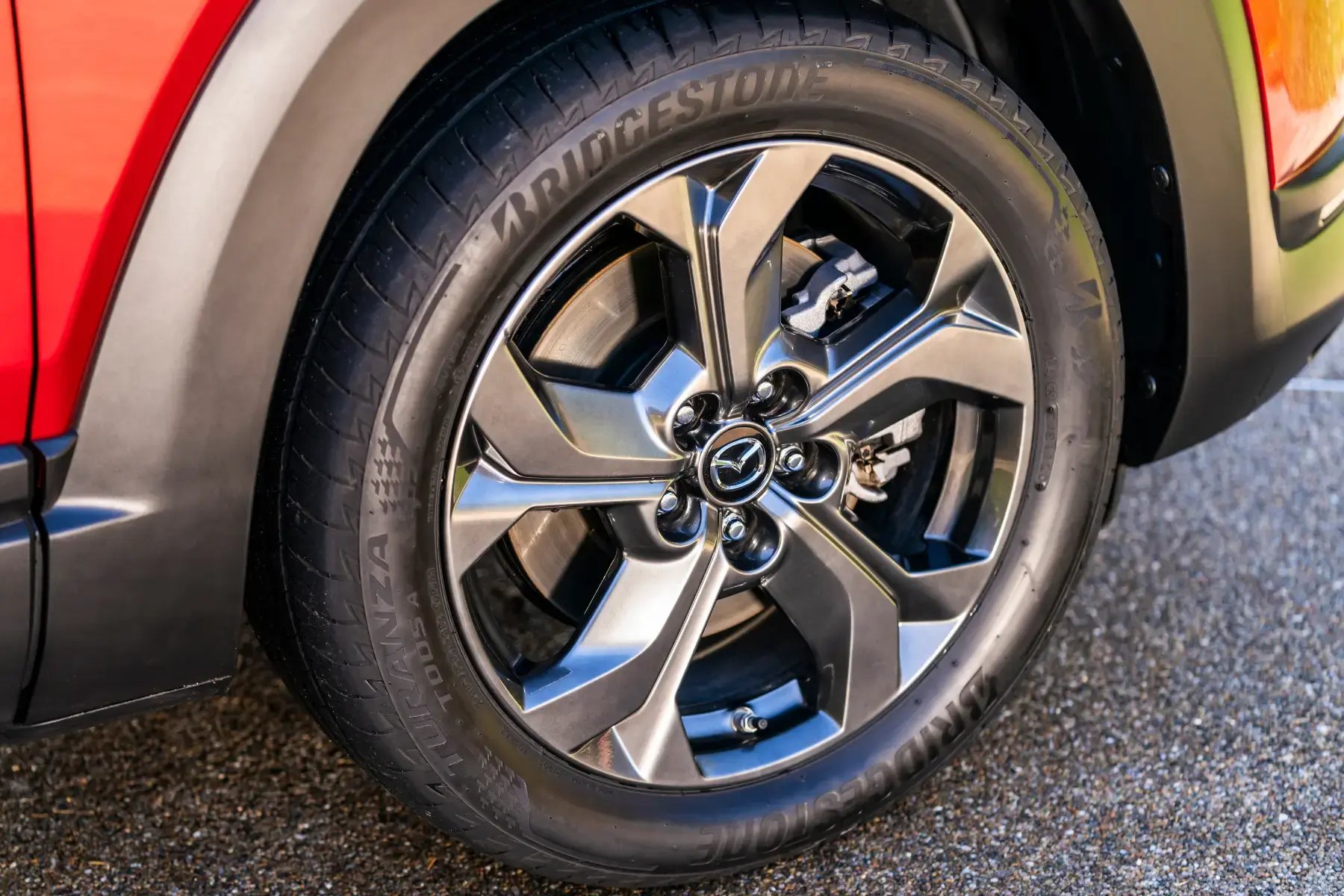
Bear in mind that there’ll be conditions on what you can and can’t claim for, and usually an excess to pay with any claims. There’s likely to be a maximum claim amount and number of claims, too.
Wheel or tyre cover can be appealing because the cost of replacing an individual tyre or wheel can run into hundreds, and your car is likely to be worth more if they are in good shape. It could also help you avoid paying a penalty for handing back your car at the end of a PCP or lease agreement with excessive damage to the wheels or tyres.
Alloy wheel/tyre insurance pros
- Could save you money in the long run
- May be useful if you regularly kerb your car
- Could maintain your car’s residual value
Alloy wheel/tyre insurance cons
- Might not be worth it for a low-value car
- Limited number/amount for claims
- Lots of small print in terms of what cover includes
Are car accessories worth it?
Car accessories are a classic add-on you might be offered when buying a car, sometimes as a ‘sweetener’ to help conclude a deal, or sometimes at extra cost. Deciding whether this type of add-on is worth it depends on whether the item is something you were planning to buy anyway.

It’s worth doing your research first, to see how much you might expect to pay for something if you’re buying it yourself. That way you can work out whether the dealer is charging a fair price for it, or how much value it adds to the deal if they intend to include it for free.
This type of add-on could include:
- Floor mats
- Boot liner
- Dog guard
- Seat covers
- Aftermarket sat-nav, reversing camera or dashcam systems
Can I get car add-ons if I’m buying a car on finance?
If you’re buying a car on finance, some car add-ons will be compatible. An extended warranty, service plan, GAP insurance or wheel/tyre insurance may be a good fit. Car accessories such as floor mats or a boot liner could be useful, too.
You should be extremely careful about modifying a financed car, however, especially if you’re buying it through a PCP agreement. For any add-ons that might be considered a modification, you should talk to your finance provider before going ahead.
If you’re planning to finance your car, Carmoola’s car finance calculator can help you assess the affordability of an agreement. You could also consider getting pre-approved for car finance, since this can speed up the process and help you set your budget.
Are car add-ons worth the money?
Car add-ons can be worth it, depending on how much you pay for them, what kind of car you’re buying and what your personal preferences are.
Before saying yes, ask yourself:
- Do I actually need this?
- Can I get it cheaper elsewhere?
- Will it help me in the long run?
You might find better deals by shopping around or waiting until after you’ve bought the car. Either way, knowing what’s on offer puts you firmly in the driver’s seat.

What does the total amount payable mean in car finance?
Total amount payable is the full amount you’ll pay for a car finance deal, including the amount you borrow, interest, and any...


Can you get car finance without a driving licence?
Yes, lenders like Carmoola offer car finance without a driving licence. Carmoola accepts applications from customers with a UK...

Getting car finance with a CCJ: what you need to know
You might still be able to get car finance with a CCJ (County Court Judgment), but you’re likely to face stricter checks and...