

.webp?width=832&height=592&name=customer-support%20(1).webp)







 Car Finance
 Cars & Gadgets
 Car Maintenance
 Tips & Advice
 News
News
 Road Trips
 Pop Culture
.webp?width=400&height=285&name=online-shoppers-with-dog%20(1).webp)

.jpg?width=500&height=356&name=Vintage%20car%20going%20to%20an%20old%20town-1%20(1).jpg)


Written by

Verified by

 What we cover


Car colour can affect resale value more than most drivers realise. While neutral shades like black and grey might feel like safe bets, some brighter colours can actually hold their value better over time.
In this guide, we break down which car colours depreciate the least, which fall behind, and what that means for you when buying or selling. Because loving the look of your car is great, but protecting its value is even better.
What car colour holds its value the best?
According to the Carmoola Depreciation Index, green and orange are the car colours that hold their value the best in the long run. At 10 years old, cars in these colours are worth about 38% of their original price, whereas those in black or grey are worth 33%.
The Carmoola Depreciation Index, created in partnership with automotive data company Brego, is an in-depth look at the various factors that affect used car values. When comparing nine popular car colours, the data suggests that although popular neutral tones such as black, grey and silver have mass appeal, the rarity of vibrant colours such as green and orange helps them retain their value better.
Here’s the full rundown:
| Colour | Residual value at 3 years (%) | Residual value at 6 years (%) | Residual value at 10 years (%) |
| Green | 73% | 62% | 38% |
| White | 69% | 57% | 36% |
| Silver | 70% | 57% | 34% |
| Blue | 68% | 57% | 35% |
| Black | 68% | 55% | 33% |
| Red | 71% | 58% | 36% |
| Brown | 69% | 55% | 34% |
| Grey | 69% | 55% | 33% |
| Orange | 66% | 60% | 38% |
As you can see, green is the standout shade, holding its value best after 3, 6 and 10 years.
What car colours have the worst resale values?
Looking at which car colours have the worst resale values, orange comes out lowest at the 3-year mark, while black, brown and grey are tied in bottom place at 6 years. At 10 years, black and grey again take joint last place.
Car colours compared
Green
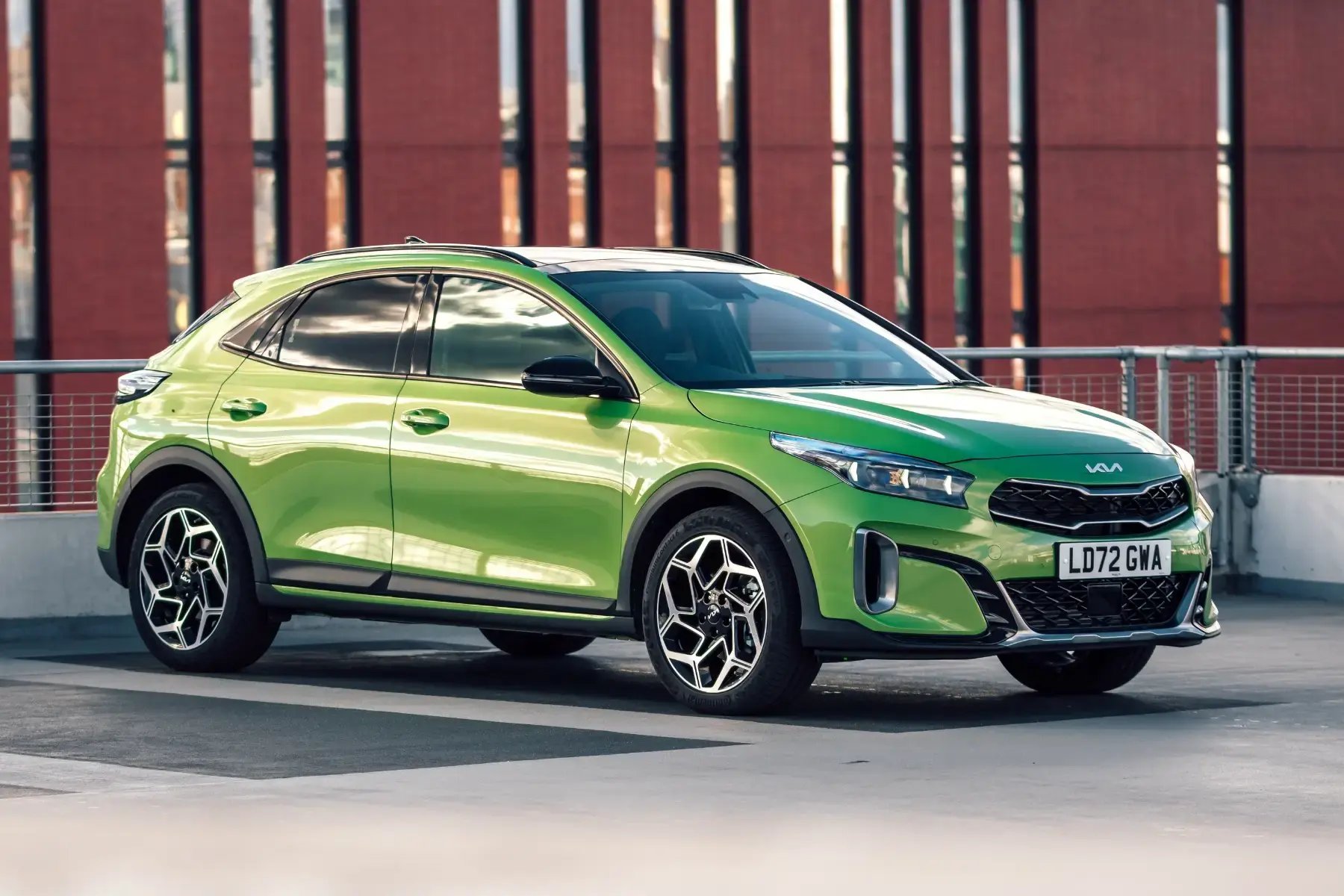
Green is an on-trend, in-demand colour that fits in perfectly with the switch to ‘greener’ hybrid and electric cars. It’s an increasingly popular choice for new cars, with a market share rising from 1.9% to 4.9% between 2022 and 2025, according to Society of Motor Manufacturers and Traders (SMMT) data. It’s no surprise, then, that it takes the top spot for residual values at years 3, 6 and 10 in our Depreciation Index.
White
White was the must-have colour a few years ago, but its market share on the new-car market has dropped from 17% in 2020 to 13% in 2025. Although its popularity has faded, white remains a safe bet. It finished fourth in our Depreciation Index at years 3 and 6, and third at year 10.
Silver
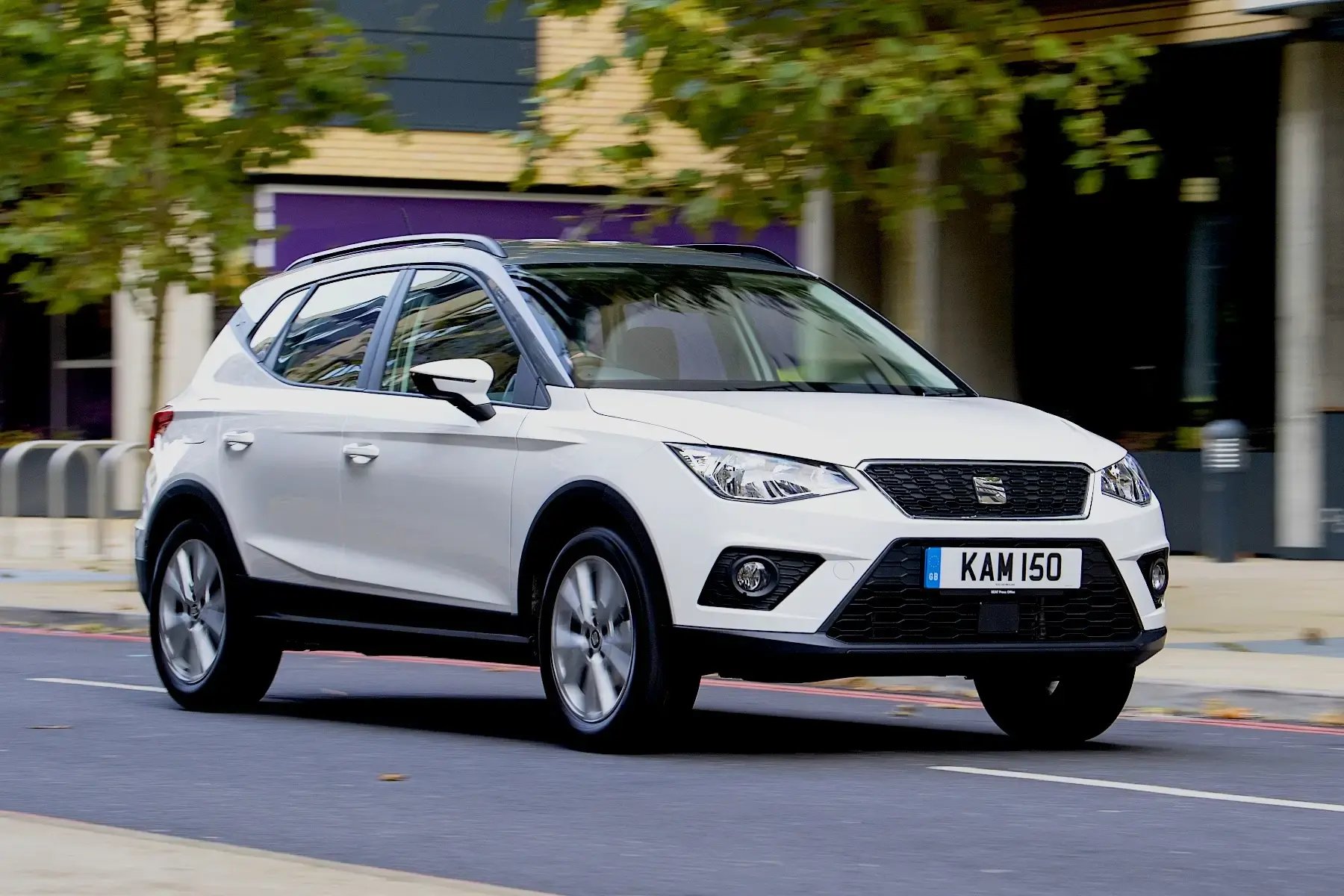
Silver had its heyday as a new-car colour in the early noughties, but it remains a steady performer. As a light, metallic neutral shade, it tends to age better than some other colours, and that’s reflected in decent scores in our Depreciation Index: third at year 3, fourth at year 6 and sixth at year 10.
Blue
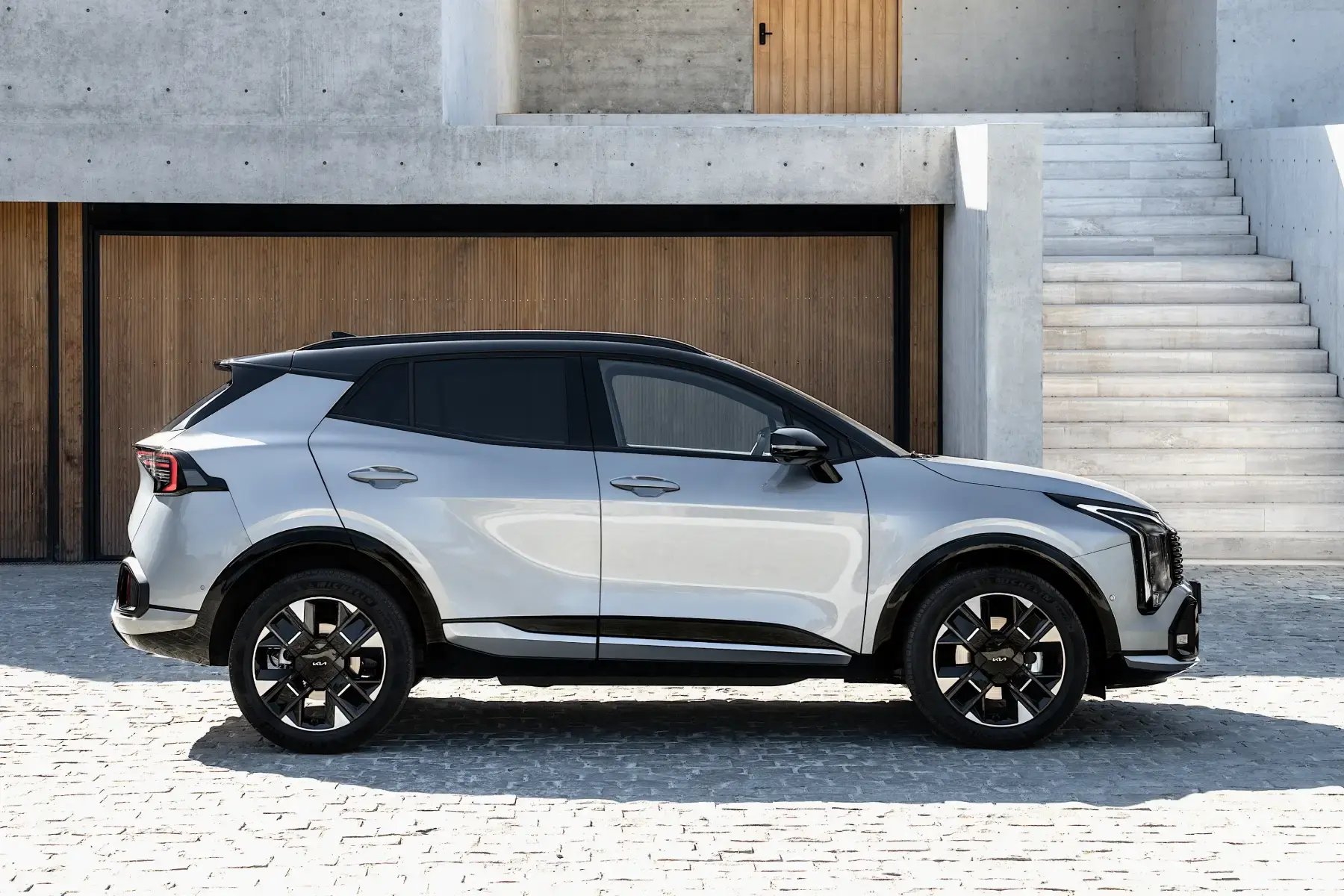
Blue is a car colour that’s never really fallen in or out of fashion. It’s a sensible, inoffensive option, and it’s been a top-5 choice for new-car buyers in each of the past 20 years. It’s no surprise, then, that it’s a reliable performer in the Depreciation Index, finishing sixth at year 3, fourth at year 6 and fifth at year 10.
Black
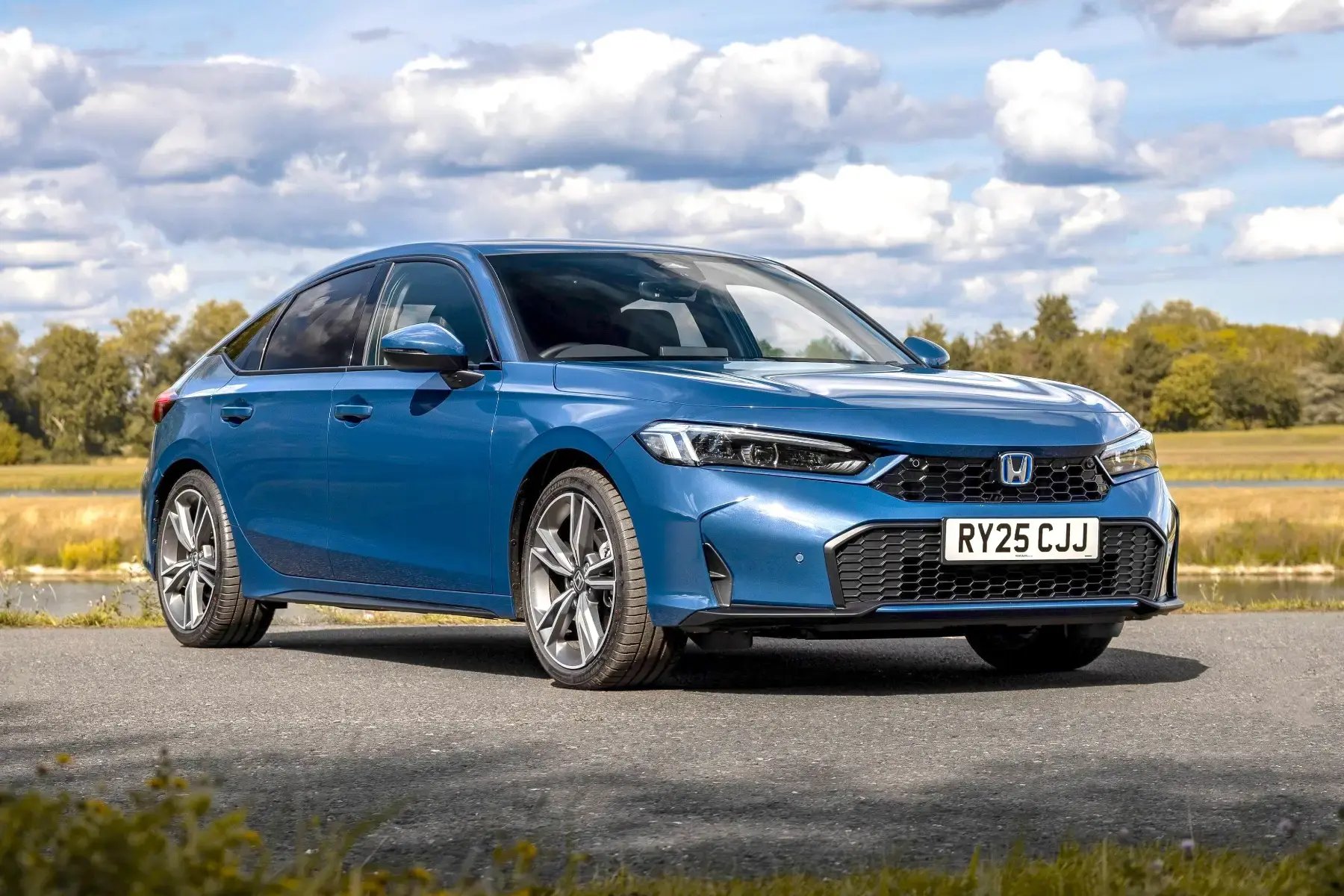
Black is one of the big-hitters when it comes to car colours, as the second-most popular option for new-car buyers since 2018. Its allure seems to fade as a car gets older, however, because in our Depreciation Index it places sixth at year 3, seventh at year 6 and eighth at year 10.
Red
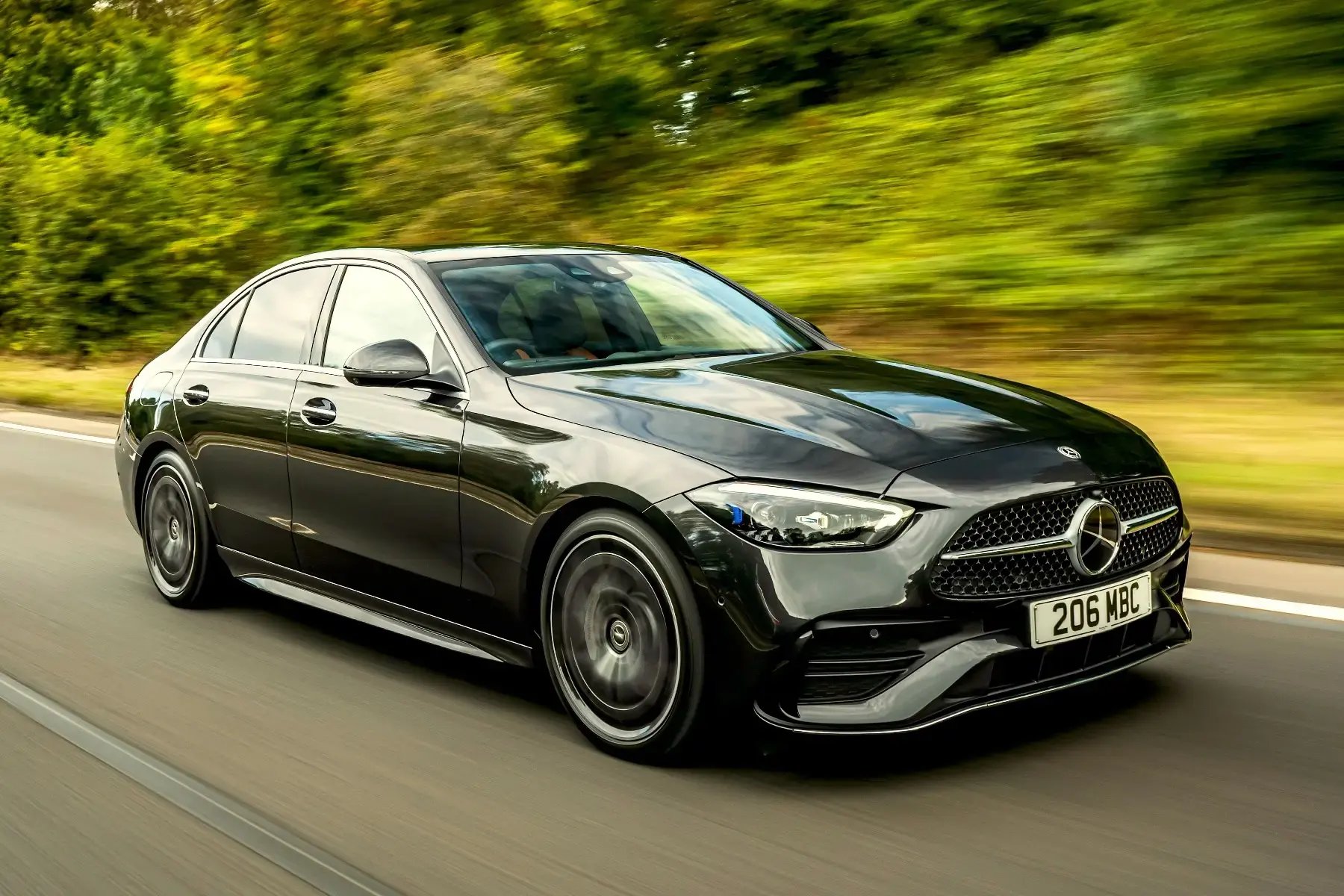
Red is one of the boldest colour choices, but also a fairly popular one. In fact, it’s been the fifth-most-popular choice for new cars in all but 4 of the past twenty years. Despite a reputation for not ageing as well as some other colours (more on that later), it fares well in the Depreciation Index, ranking sixth at year 3 and third in years 6 and 10.
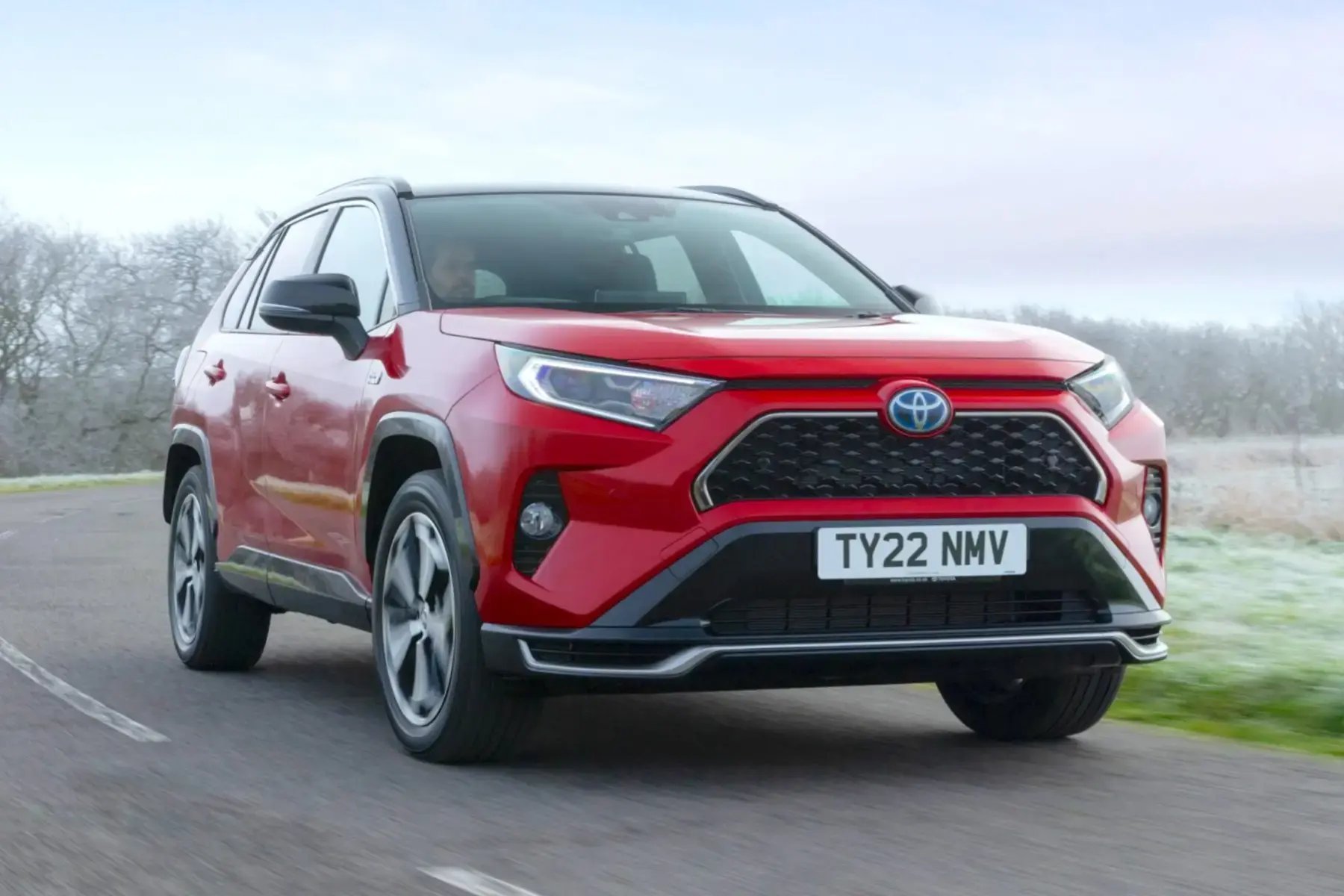
Brown
Brown is an unusual choice that doesn’t make the top 10 for new-car colours. It’s fair to say it’s an acquired taste, and that’s reflected in its long-term residual values. Although brown does make second place in our Depreciation Index at year 3, it ranks seventh for year 6 and sixth for year 10. Overall, it’s a colour you’re more likely to choose with your heart than your head.
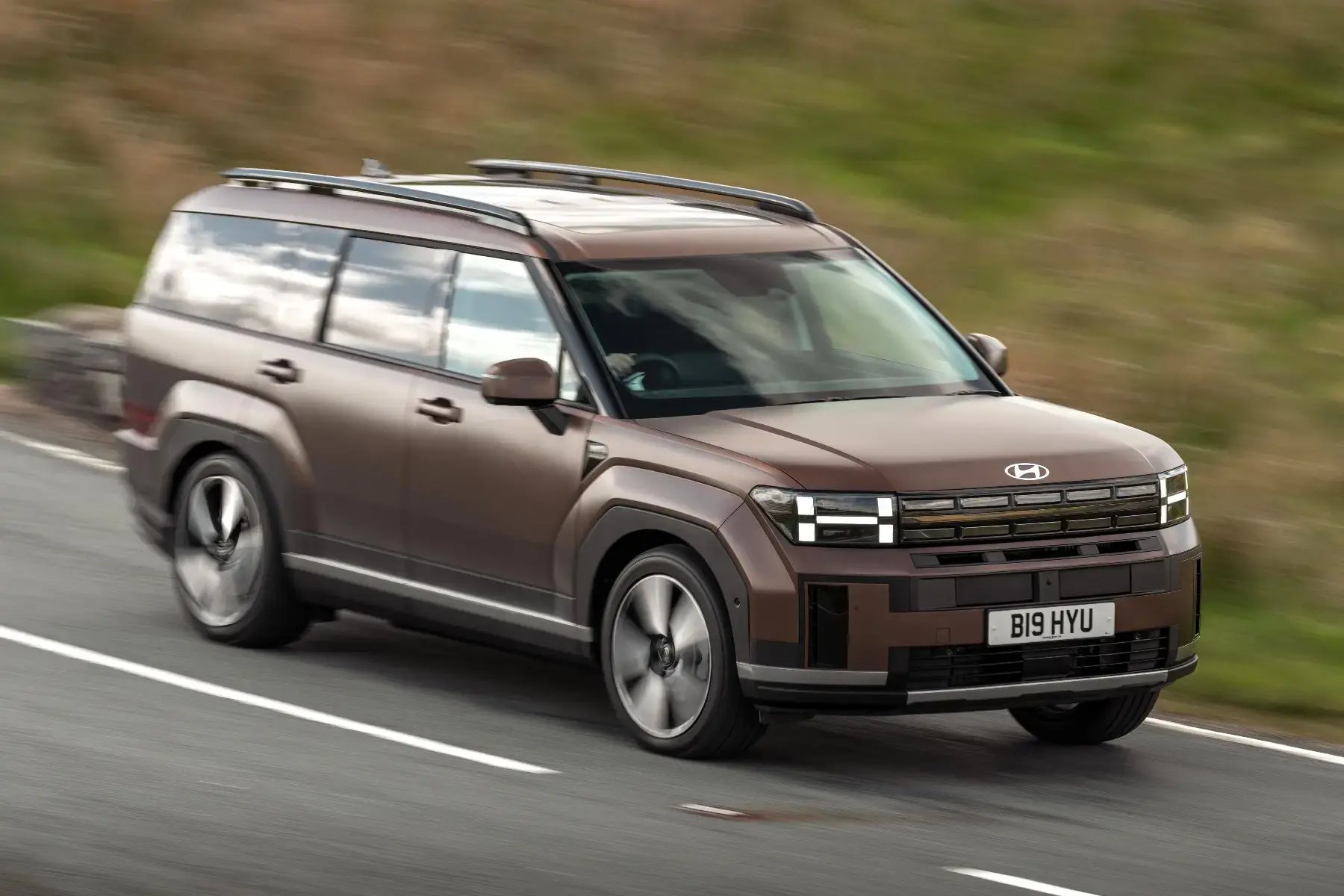
Grey
Grey has been the top-selling colour for new cars in each of the past 8 years. That means there are an awful lot of grey cars out there, and, with no supply issues, grey cars don’t hold their value as well as you might think. Although it ranks fourth at year 3, grey drops to seventh at year 6 and eighth at year 10.
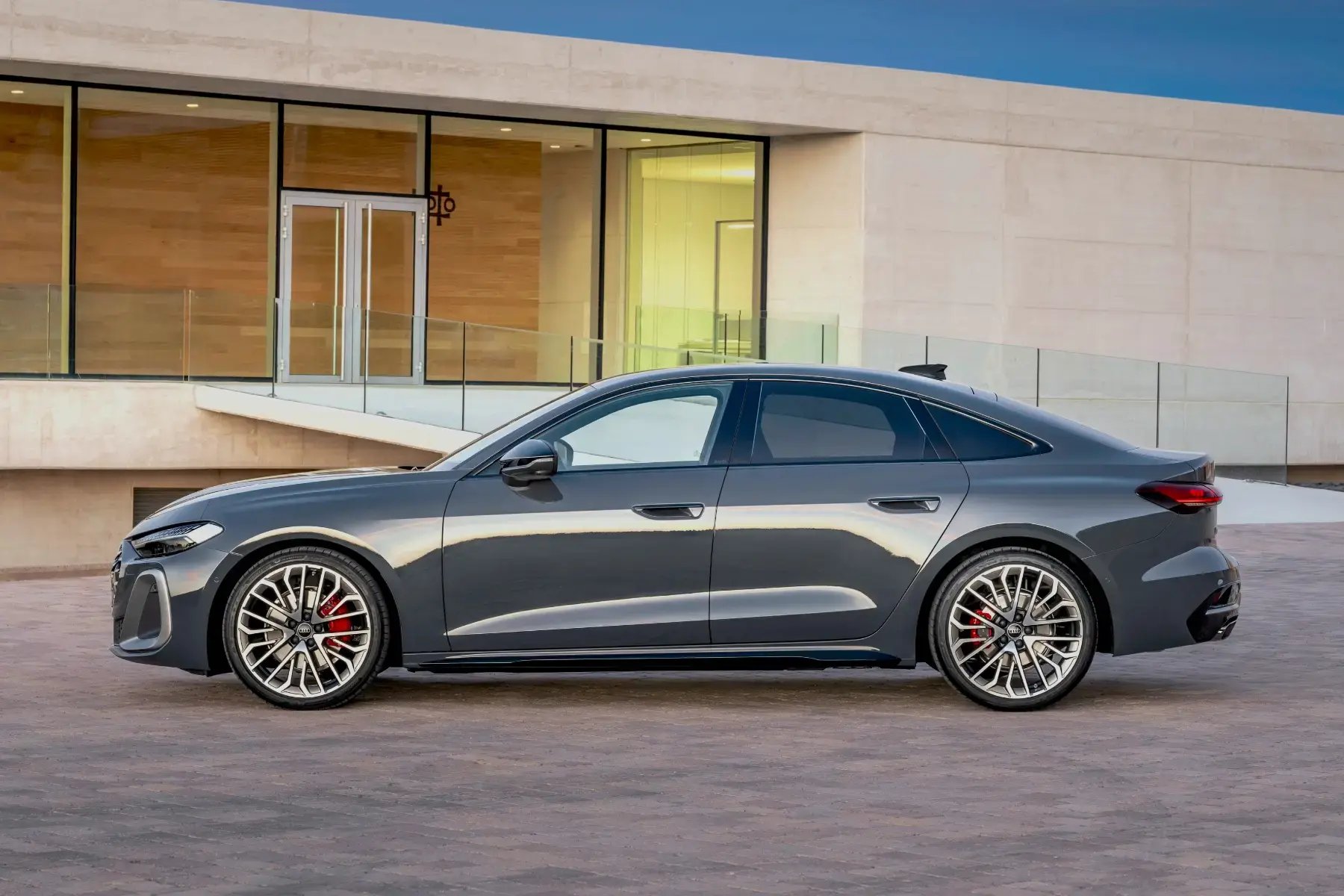
Orange
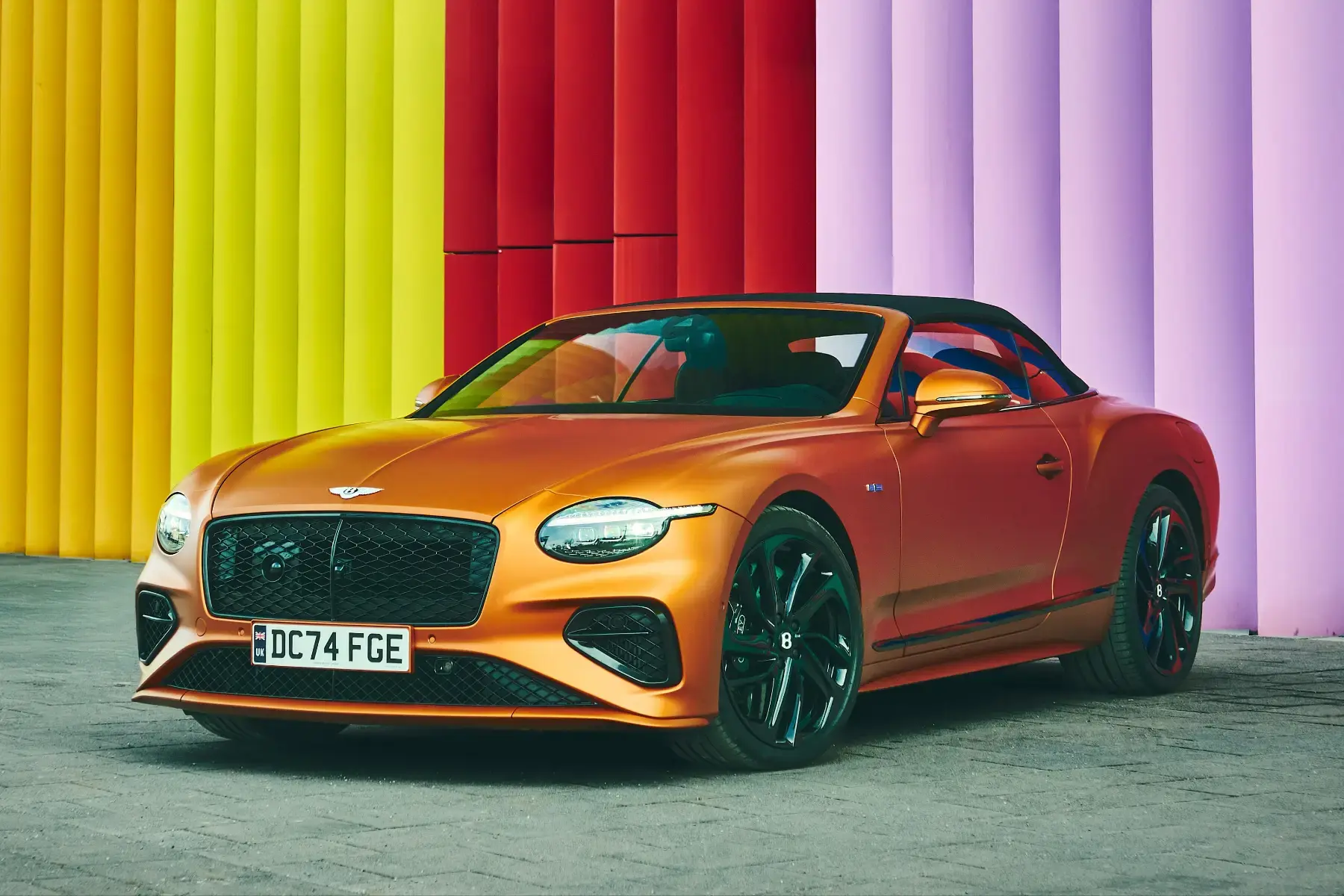
Orange isn’t everyone’s cup of tea, but it’s well-suited to fun, sporty cars. While it takes ninth (last) place in our Depreciation Index for year 3, it ranks second at year 6 and joint-first at year 10, so in the long run, orange holds its value better than more conventional colours.
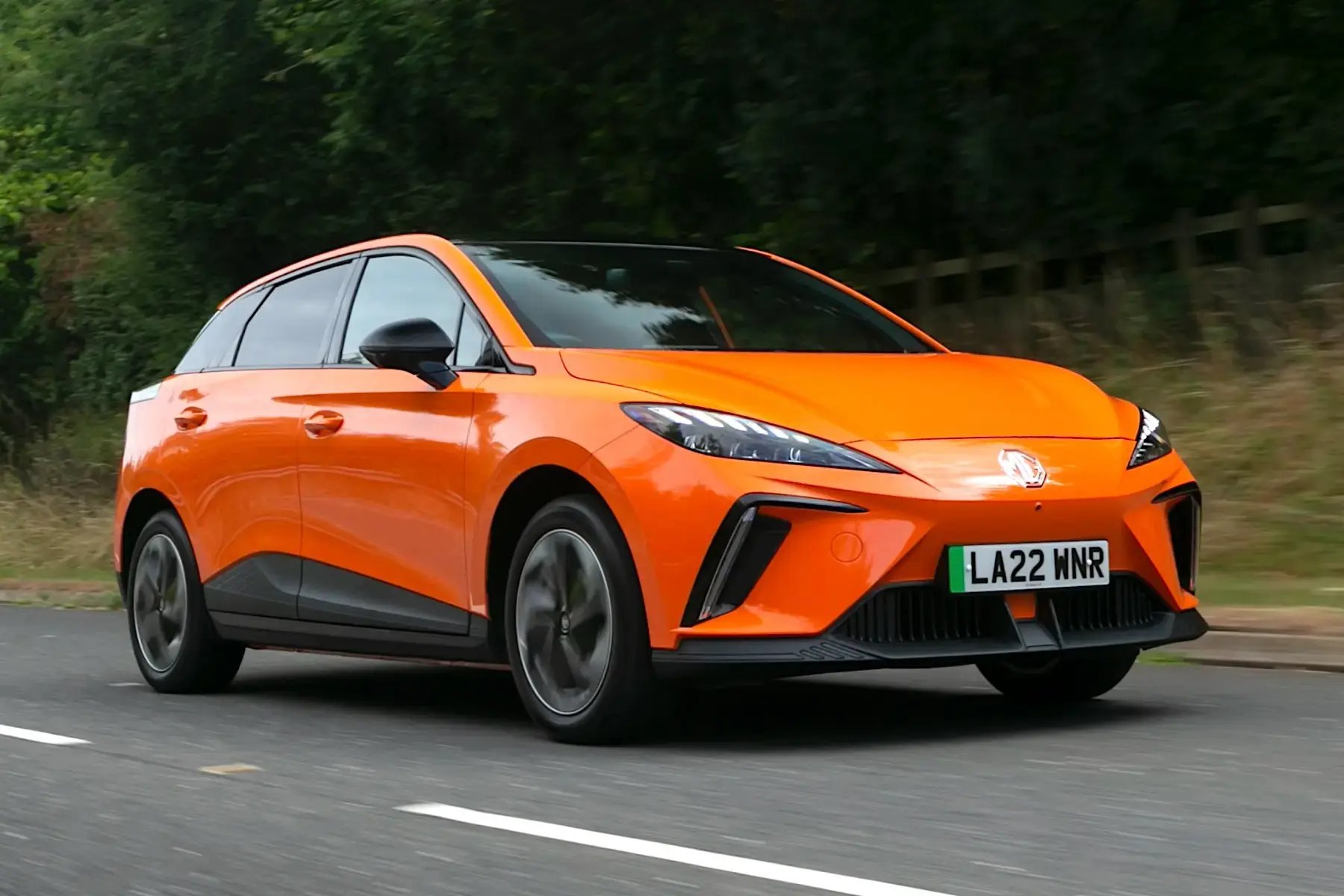
What are the most popular car colours in the UK?
According to the SMMT, grey has been the most popular colour for new cars in the UK from 2018 to 2025. Black has been the runner-up in each of the past 8 years, while white took third place from 2017 to 2023, but has been replaced by blue for the past 2 years.
Here’s every top five since 2004:
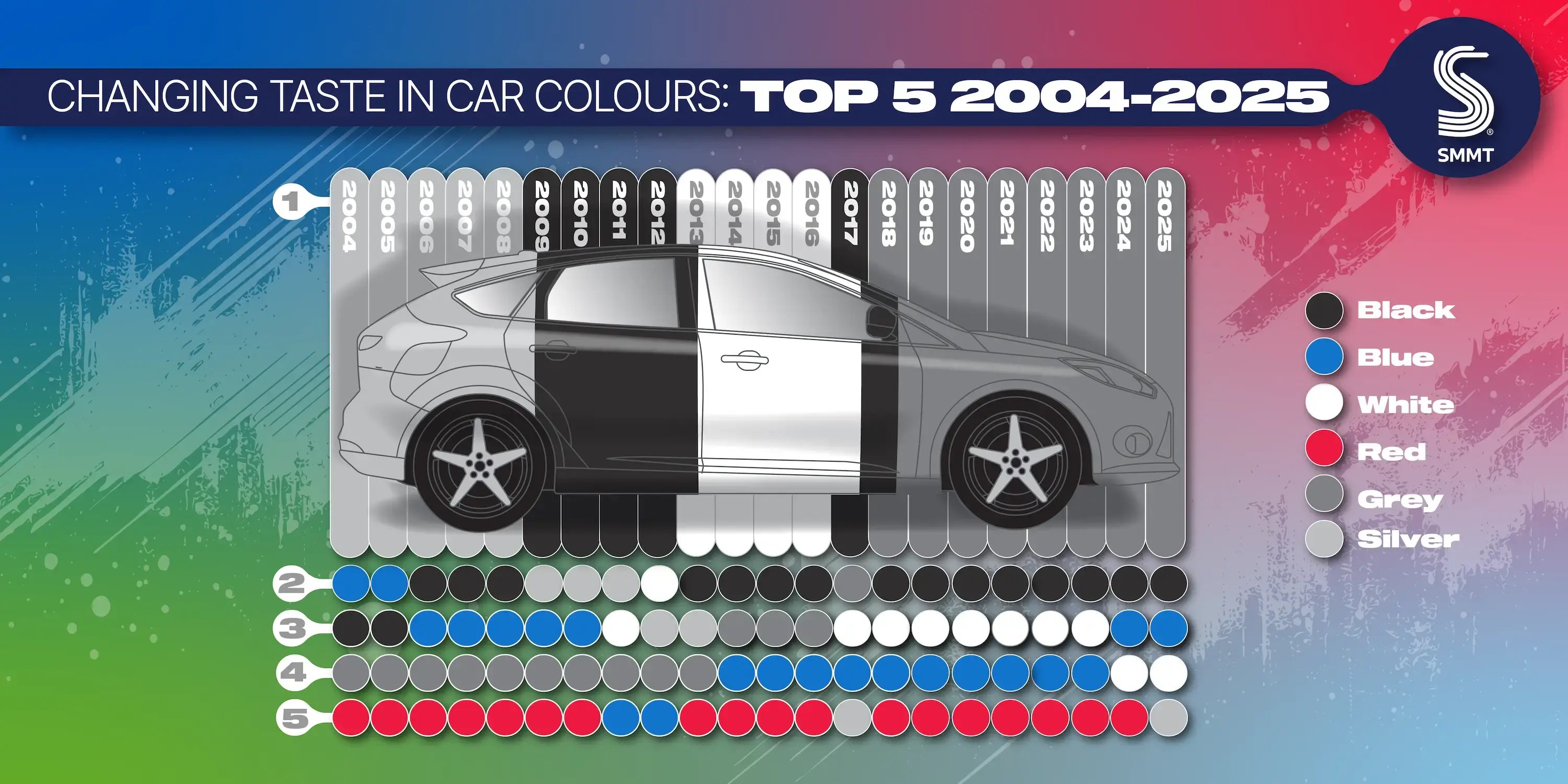
Image: SMMT
In 2025 almost 100,000 more grey cars were sold than any other colour, while green saw the largest increase in market share compared with 2024.
Car colour preferences vary by region, as we found out when we delved into Carmoola car finance data. It turns out that black is the most popular car colour in Birmingham, with grey taking second place. Black is also the most popular colour in Manchester, while white is the runner-up.
What colour makes a car look expensive?
Black is often viewed as the best choice if you want to make your car look expensive, since this is a shade commonly used for large luxury cars and high-end SUVs.
Metallic colours tend to give a more upmarket look than a ‘solid’ colour, too. A metallic colour generally adds a few hundred pounds to the price of a new car, but you can pay thousands more for a metallic or pearlescent finish in the case of high-end sports cars or luxury cars.
Will changing the colour of my car affect its resale value?
It is possible to change the colour of your car, but doing so could affect its resale value. If you want to permanently change the colour, a professional respray is the only feasible option. It could increase its value, depending on the colour and type of car, but it could also reduce it. Bear in mind that the process costs thousands of pounds, too.
Alternatively, you could opt for a wrap. This is a much cheaper option, and the wrap can be removed if needed, but this option might not give such a flawless finish as a respray. Either way, you need to inform the DVLA and your insurer that the colour of your car has changed.
Does car colour affect insurance?
The colour of your car doesn’t directly affect the cost of your car insurance, because insurers don’t use colour as a factor when calculating your premium. You could end up paying more if you change the colour of your car, though, because it’s likely to be classified as a modification.
What does the total amount payable mean in car finance?
Total amount payable is the full amount you’ll pay for a car finance deal, including the amount you borrow, interest, and any...

Can you get car finance without a driving licence?
Yes, lenders like Carmoola offer car finance without a driving licence. Carmoola accepts applications from customers with a UK...

Getting car finance with a CCJ: what you need to know
You might still be able to get car finance with a CCJ (County Court Judgment), but you’re likely to face stricter checks and...