
.webp?width=832&height=592&name=customer-support%20(1).webp)






 Car Finance
 Cars & Gadgets
 Car Maintenance
 Tips & Advice
 News
News
 Road Trips
 Pop Culture
.webp?width=400&height=285&name=online-shoppers-with-dog%20(1).webp)


.jpg?width=500&height=356&name=Vintage%20car%20going%20to%20an%20old%20town-1%20(1).jpg)
Written by

Verified by

 What we cover


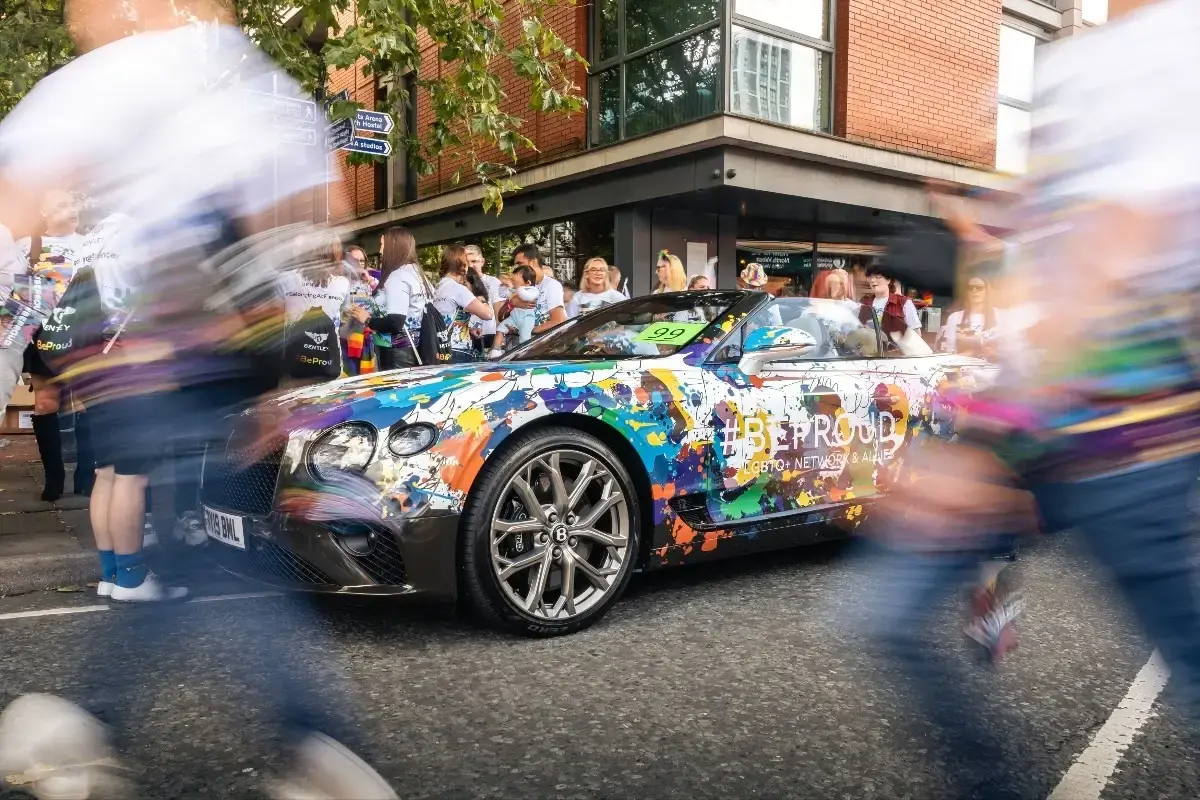
Car wrapping can give your car a new look that better reflects your personality. It’s a technique that’s been used for racing cars and delivery vans for a long time, but car wrapping has gone mainstream. It’s now one of the most popular car personalisation options around.
In this guide, we’ll cover what car wrapping is, whether it’s permanent, its costs, and other details you’d want to know to decide whether a car wrap could be right for you.
What is car wrapping?
Car wrapping involves applying a thin vinyl film to the exterior of a car. The film comes in a variety of colours and finishes, including matte, gloss, satin, and metallic. Car wrapping can be done for several reasons, such as branding, advertising, or if you simply want to change the colour or look of your car.
How is car wrapping done?
Car wrapping involves applying a self-adhesive vinyl film (a type of plastic) to your car’s bodywork. The first step is to get the car spotlessly clean. Depending on the car, some external fixtures or features (such as window trim or door mirrors) may be removed at this stage to achieve a neat finish. The vinyl is then gently heated, before being pressed into place using special tools. Any trim that was removed is then put back in place.
The whole process usually takes at least a day, and can take up to three days.
Can I wrap my own car?
Yes, you can wrap your own car. But should you? Truth is, it’s probably a job better left to the professionals because you’re unlikely to achieve the same kind of finish you’d get from a wrapping service.
As well as having additional experience and knowledge, professional wrap technicians will have all the necessary tools to achieve a flawless finish.
How much does it cost to wrap a car?
Car wrapping can go from £500 for a partial wrap to £4,000 for a full wrap. But the cost of car wrapping in the UK can vary depending on several factors, such as the type of vinyl, the size and shape of your car, the level of customisation and where you get it done. Here’s a rough guide:
-
Full wrap: A full wrap that covers the entire vehicle can cost anywhere from £1,500 to £4,000, depending on the type of vinyl used and the size of the vehicle
-
Partial wrap: A partial wrap that covers only a portion of the vehicle, such as the doors, bonnet, or roof, can cost between £500 and £1,500
-
Customisation: Custom designs, logos, or graphics can increase the cost of car wrapping. This is because the design and printing process takes time and requires specialised equipment
-
Location and experience: Prices tend to be higher in larger cities, and experienced installers usually charge more than newer ones
Is it cheaper to wrap or paint a car?
If you want to change the colour of your car, a full wrap usually costs less than a full respray. While the average cost of a wrap is £1,500 to £4,000, a respray is likely to cost between £2,000 and £5,000.
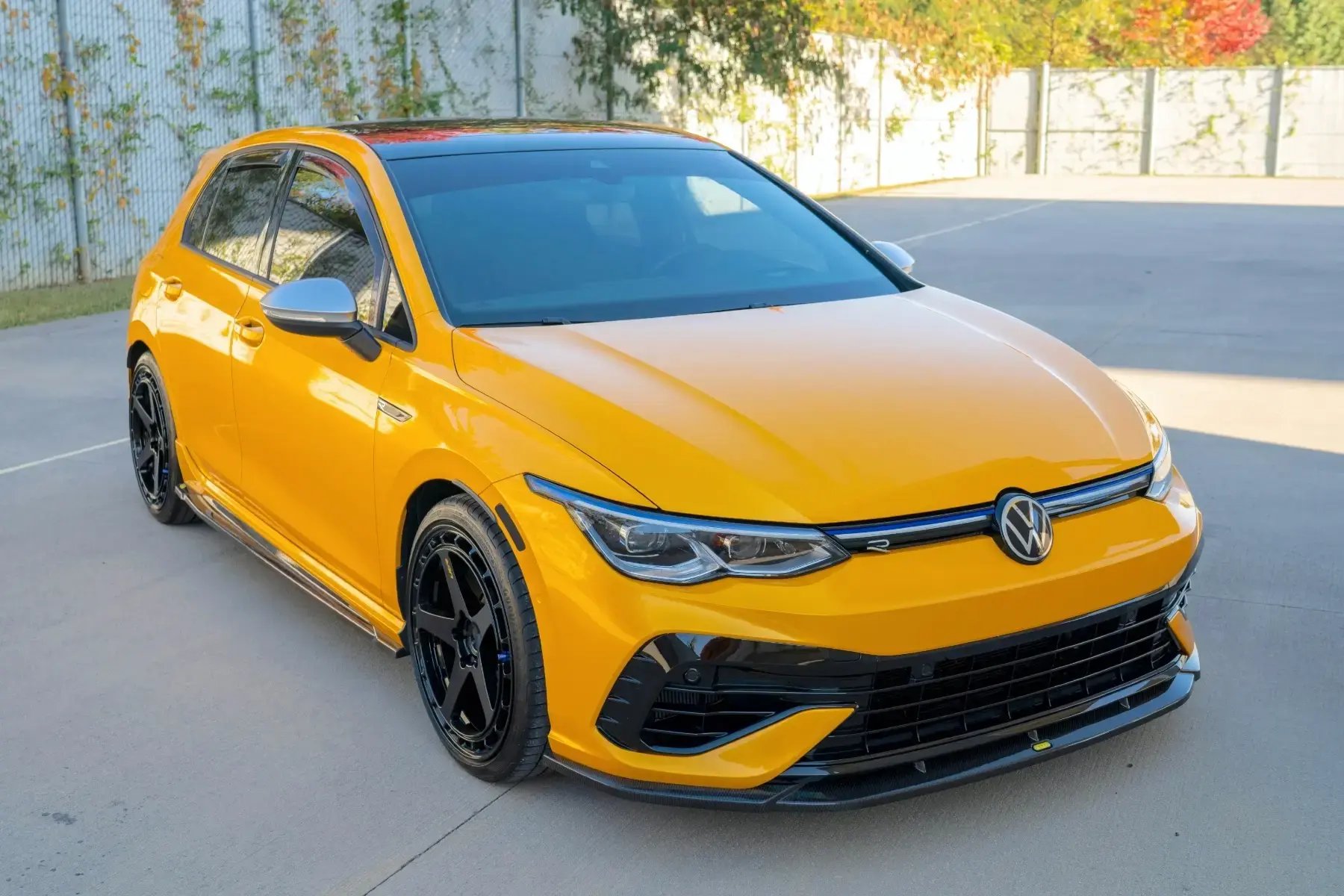
The main benefit of a respray is that it’s permanent and should last the lifetime of the car. A wrap will only last a few years, but the fact that it’s removable and the original paintwork is left intact could be a plus when you want to sell the car.
Benefits of car wrapping
-
Protecting the original paintwork: A wrap can protect the original paint from scratches, chips, and other types of damage
-
Customisation: Car wrapping allows you to customise your vehicle's appearance, making it unique and expressing your personality
-
Cost-effective: Car wrapping is a cost-effective alternative to a full respray, and it can also be easily removed
-
Advertising: Car wrapping can be used for advertising, allowing you to promote your business while on the go
Types of car wrapping
There are two main types of car wrapping:
-
Full Wrap: This covers the entire surface of the car, including the roof, body panels and bumpers. Full wraps offer the most extensive customisation options, allowing for a completely new look for the car
-
Partial Wrap: A partial wrap covers only a portion of the vehicle, such as the side panels or bonnet. Partial wraps are less expensive than full wraps and can still provide a unique look
Maintenance of car wrapping
Proper maintenance is crucial to ensure that a car wrap lasts as long as possible. Here are some tips for maintaining a car wrap:
-
Regular cleaning: Wash your car regularly with soap and water to remove dirt, grime, and other debris that can damage the vinyl
-
Avoid scratches: Try not to park your car in areas where it is likely to be scratched, such as tight spaces or areas with heavy foot traffic
-
Protect from sun and heat: Keep your car out of direct sunlight where possible, because UV rays can cause the vinyl to fade or peel over time
-
Avoid car washes: Avoid taking your car through automated car washes, as the high-pressure water and brushes can damage the vinyl
Is car wrapping permanent?
Car wrapping isn’t a way to change the appearance or colour of your car permanently. The lifespan of a car wrap can vary depending on several factors, such as the type of vinyl used, the installation quality, and exposure to the elements. Generally, most high-quality wraps last about 5-7 years with proper care and maintenance. Beyond that, the vinyl can start to degrade or look tatty, and it can become harder to remove.
How do you remove a car wrap?
Removing a car wrap usually involves gently heating the vinyl, so it can be more easily pulled off the surface of the car. It’s an easier job than applying a wrap, but it can still take up to a day.

While you can attempt to do it yourself, it’s a job best left to the professionals since it’s possible to damage the paintwork or trim if you’re not careful.
What UK laws are involved with car wrapping?
-
Insurance and registration: If you're planning to wrap your car, you must notify your insurance company and update your vehicle registration with the Driver and Vehicle Licensing Agency (DVLA). The colour of your vehicle is listed on your V5C registration document, and if you change the colour you will need to update this information
-
Visibility: The law requires that all vehicles on the road must have a certain level of visibility. This means that you cannot wrap your car in a way that impairs the driver's view. The front windscreen must have a minimum level of transparency, and any side or rear windows must have a minimum level of light transmittance
-
Reflectivity: The UK law also requires that all vehicles have a certain level of reflectivity, especially on the front and rear. This means that the vinyl wrap should not reduce the reflectivity of your car's lights and reflective elements
-
Number plates: Your car's number plates should be clearly visible, and it's essential to ensure that the vinyl wrap does not obscure the registration plates or their characters
Are car wraps allowed for cars on finance?
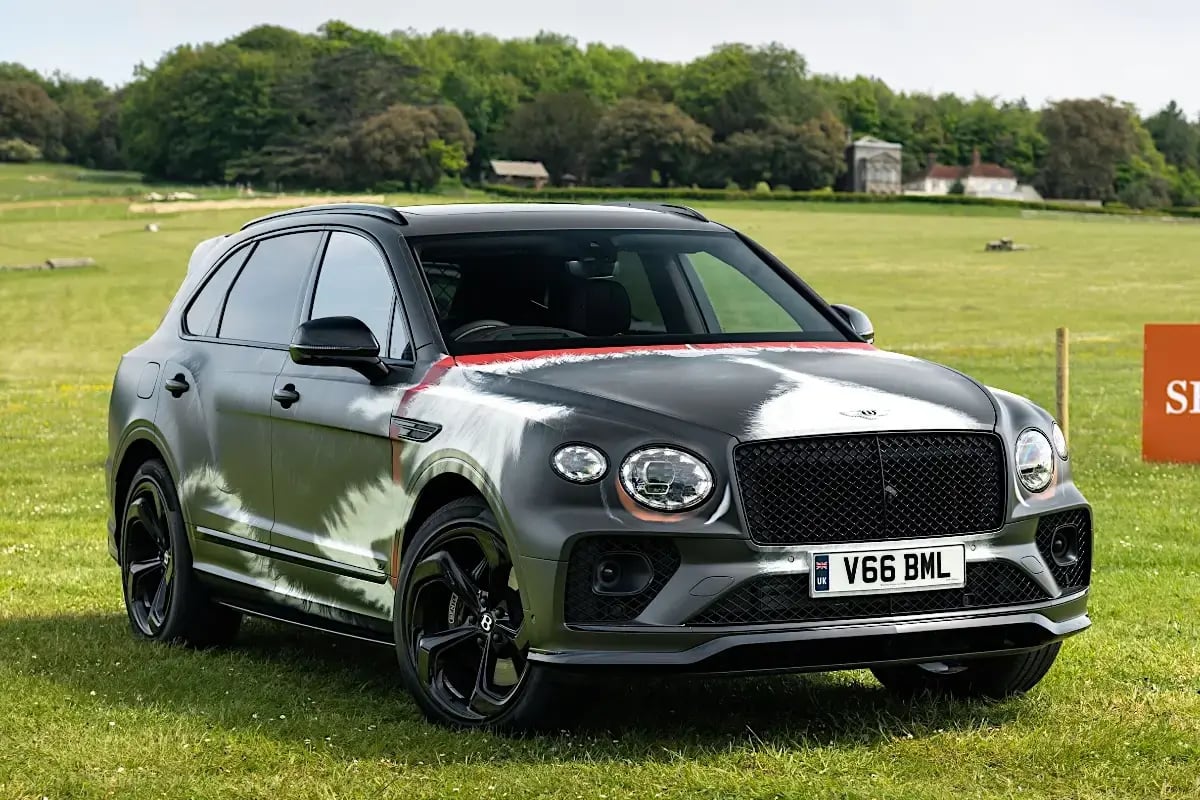
In general, car wraps aren’t allowed for cars on finance since a wrap is a ‘modification’ that’s not permitted under the terms of most standard finance agreements. The key thing to remember is that if you’re paying for your car via HP finance or PCP finance, the car still belongs to the finance company until you’ve made all the repayments.
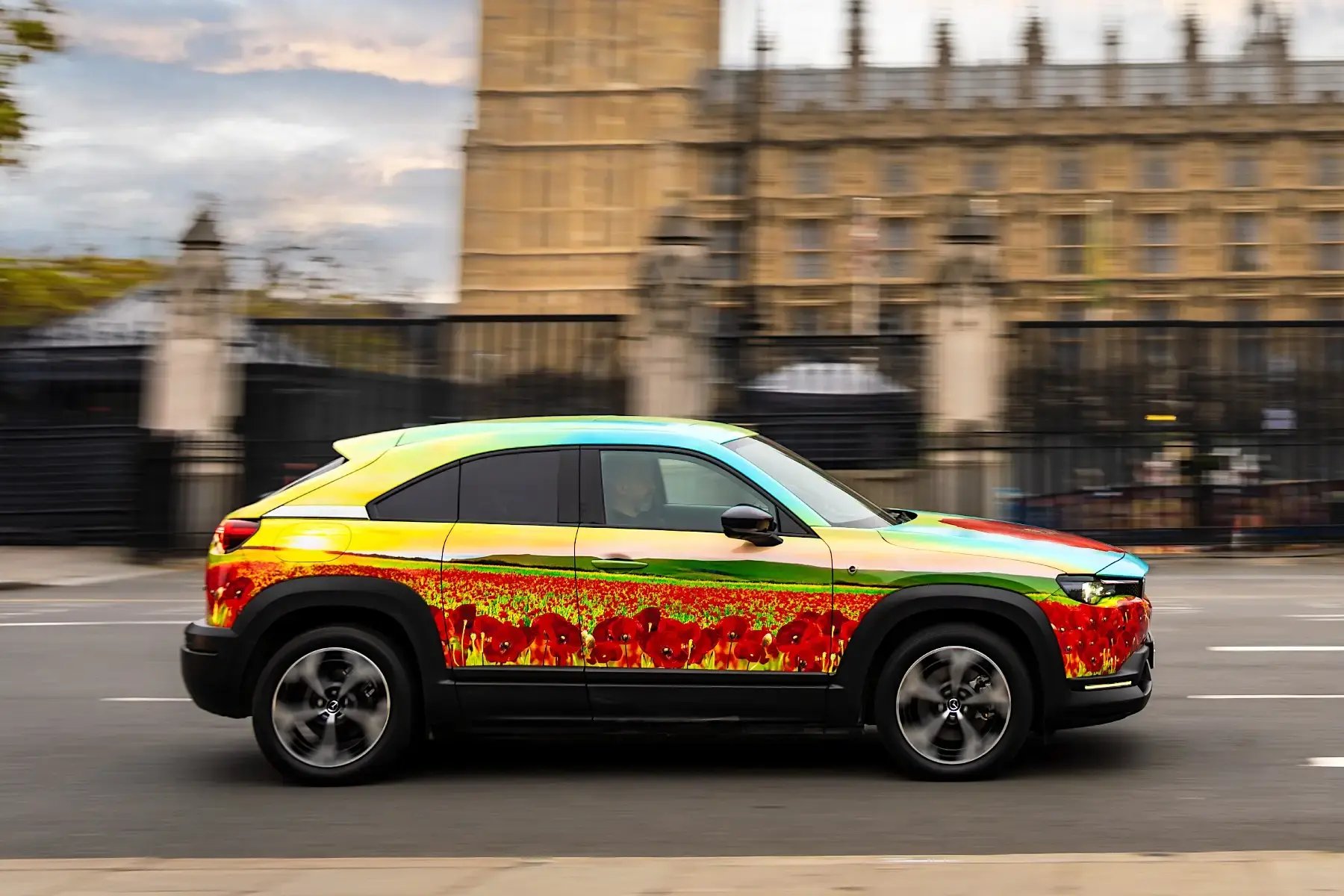
Making modifications to a car on finance may be possible, but you need to seek written approval from your finance provider first. We don’t recommend the ‘act first, ask later’ approach because if the finance company doesn’t approve the modification, you could face financial penalties or have to return the car.

What does the total amount payable mean in car finance?
Total amount payable is the full amount you’ll pay for a car finance deal, including the amount you borrow, interest, and any...


Can you get car finance without a driving licence?
Yes, lenders like Carmoola offer car finance without a driving licence. Carmoola accepts applications from customers with a UK...

Getting car finance with a CCJ: what you need to know
You might still be able to get car finance with a CCJ (County Court Judgment), but you’re likely to face stricter checks and...