

.webp?width=832&height=592&name=customer-support%20(1).webp)












 Car Finance
 Cars & Gadgets
 Car Maintenance
 Tips & Advice
 News
News
 Road Trips
 Pop Culture
.webp?width=400&height=285&name=online-shoppers-with-dog%20(1).webp)


.jpg?width=500&height=356&name=Vintage%20car%20going%20to%20an%20old%20town-1%20(1).jpg)


Written by

Verified by

 What we cover


You’ll need to charge an electric car based on its battery range, how far you drive, and how you drive, and there’s no one-size-fits-all answer.
For example, a car with a 250-mile range might only need charging once a week if your daily commute is short. But if you’re racking up miles or driving in colder weather, you’ll be plugging in more often.
Other factors like driving style, battery health, and even the temperature outside can affect how quickly your battery drains.
In our guide, we’ll explain what impacts charging frequency and share simple tips to help you get the most out of every charge.
Whether you're a seasoned EV driver or just getting started, you’ll leave with a better sense of how charging fits into your weekly routine (spoiler: it’s easier than you think).
Key takeaways
- Charging frequency depends on range and routine. The more miles your EV can do (and the fewer you drive), the less often you’ll need to charge.
- You don’t need to charge daily: Most EV drivers only plug in a few times a week, especially if they’re not using the full battery range every day.
- Avoid charging to 100% all the time. Keeping your battery between 20% and 80% helps reduce long-term wear.
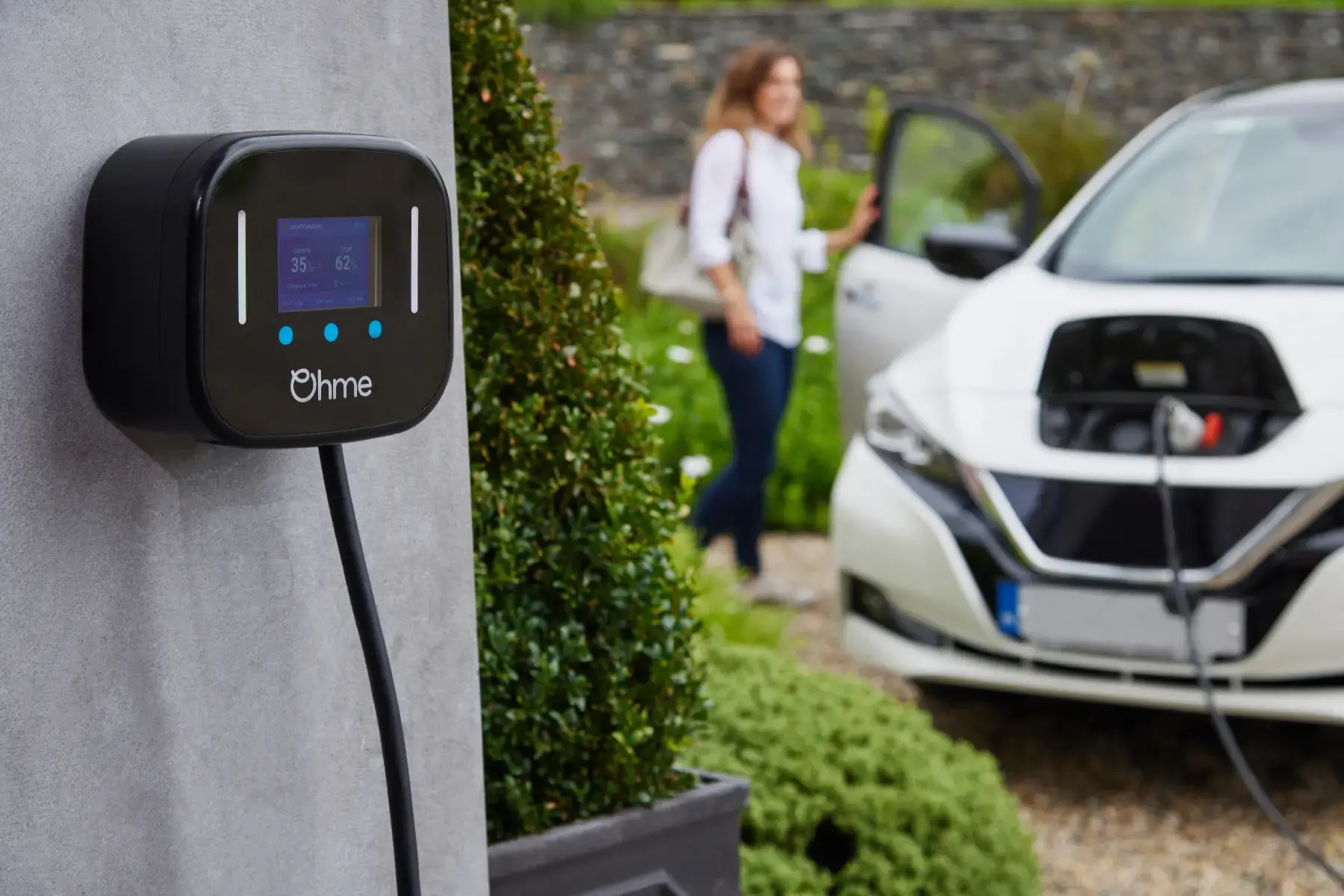
- Home charging is cheaper and gentler. A home wallbox with off-peak electricity can cost as little as 7p per kWh and is easier on your battery than rapid charging.
- Leaving your EV plugged in is safe. Modern EVs manage their own charging and won’t overcharge, even if left plugged in for days or weeks.
How long does an electric car last on a full charge?
An electric car lasts as long as its battery range allows, which depends on how far you drive and how the car is used. The distance that an electric car can cover with a fully charged battery is known as its range.

Every EV has a rated “range”, which is the number of miles it can travel on a full battery. For example, if your car has a 300-mile range and your round-trip commute is 30 miles a day, you’ll likely only need to charge once every 10 working days. With a 150-mile range, you'd be charging every five days instead.
But you might not always hit that official range. Real-world factors like cold weather, traffic, and how heavy your right foot is can all lower your mileage. Most drivers top up before hitting single digits, because range anxiety is still a thing.
What is the average range for an electric car?
The average official range for a brand-new electric car in 2025 was almost 300 miles.
Older EVs like the first Nissan Leaf and early BMW i3s have an official maximum range of about 100 miles, but most new electric cars (and many used ones) have a range of more than 200 miles. The latest, high-spec models, such as the BMW iX3 and Mercedes-Benz CLA, are capable of about 500 miles.
How is an electric car’s range calculated?
Every electric car has an official maximum range figure that’s calculated using standardised tests. These are carried out in a laboratory, on a rolling road.
In real-world driving, it’s quite likely you won’t match the official figure. That’s because things like hills, cold weather and hard acceleration put more strain on the battery. But the official figures are useful when comparing electric cars because the tests are the same for every model.
Want to know more about electric car range? Our in-depth guide to electric car range has all the details.
What affects how often you need to charge?
Lots of factors affect battery range, and therefore, how often you need to charge your electric car.
Driving Style: Hard acceleration uses more energy, and therefore more battery charge
Where you drive: Electric cars are more efficient at lower speeds, so lots of motorway driving uses up the battery quicker
Speed: Yep, the faster you go, the more battery charge you use up
Weight: If you have a full load of passengers or are carrying a heavy load, you’ll use more power and use up the battery quicker
Tyre pressures: Under-inflated tyres increase rolling resistance, forcing the motor to work harder
Cold weather: Electric car batteries, like all batteries, are less efficient when it’s cold. As well as decreased range, an EV’s battery takes longer to charge in cold weather
Age and mileage: An electric car’s battery degrades gradually as it’s used, reducing its capacity
Should I charge my electric car to 100%?
It’s perfectly safe to charge your electric car to 100%, but if you want to preserve battery life, it's best not to do it all the time. Charging to full capacity puts extra stress on the battery, which is why car manufacturers generally recommend maintaining a charge level between 20% and 80%.
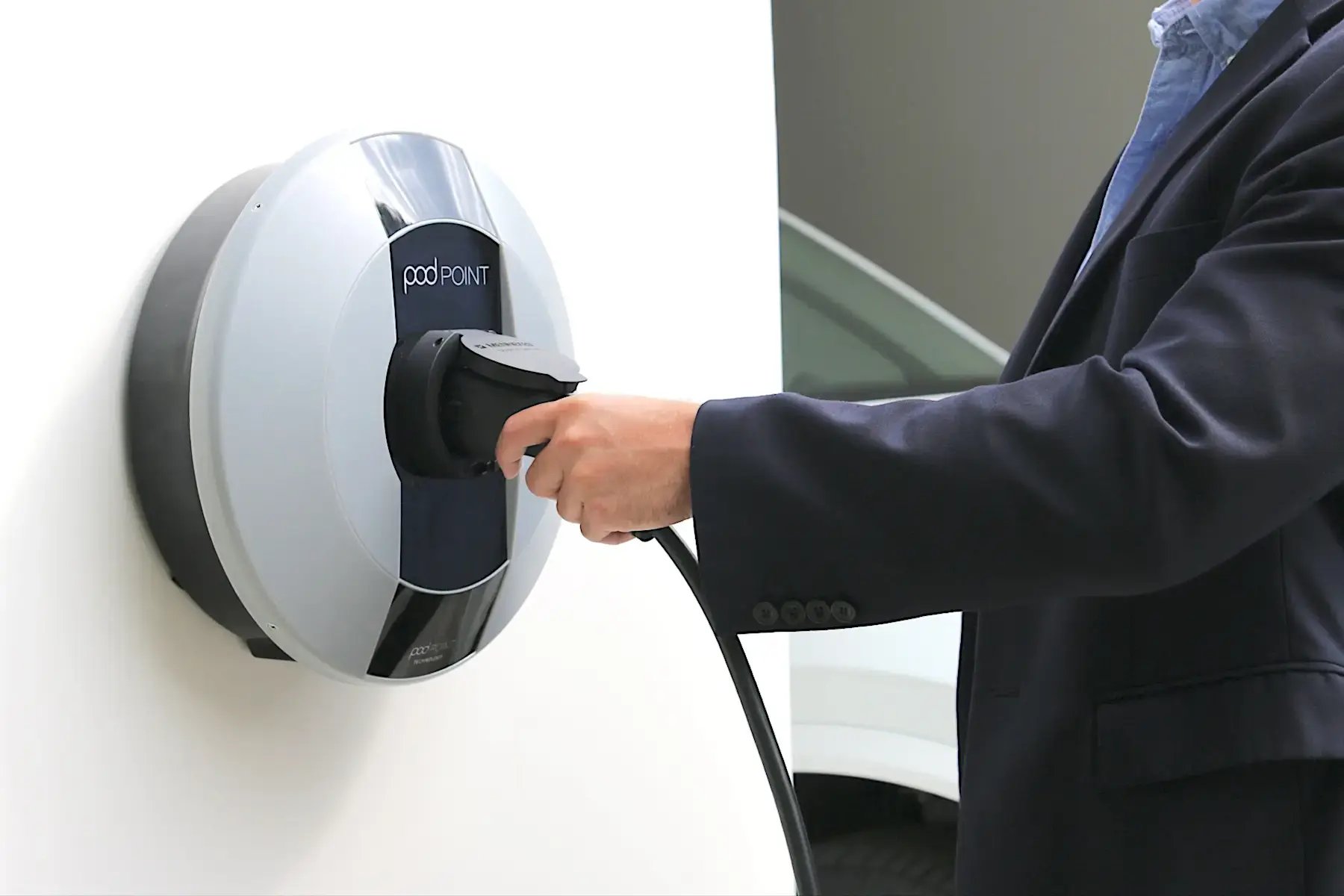
Most electric cars and most chargers (home or public) allow you to set a maximum charge level, and will stop charging the car once it reaches it. So you can just set it and forget it.
Can you overcharge an electric car battery?
No, you can’t overcharge an electric car’s battery. EVs, like your phone, are designed to stop charging when their battery is full. And whether you’re using a home charger or public charger, the charging rate slows down as capacity gets closer to 100%, to reduce strain on the battery and help prevent overcharging.
Do electric cars need to be charged every day?
Electric cars don’t necessarily need to be charged every day. If you have a daily commute that uses up most of your car’s range, then you might have to, of course. This might not be too expensive or inconvenient if you have a home charger, but it won’t be especially good for your car’s battery. That’s because you’ll be charging it to (or near to) its full capacity frequently, which will degrade it quicker.
In this instance, you might be better off with a car with a longer range or finding ways to reduce your commute.
Can I leave my EV plugged in for a week?
Yes, you can leave an EV plugged in for a week, or longer, without causing it any harm. Once the battery has reached full capacity, or the capacity you set, it will stop charging automatically.
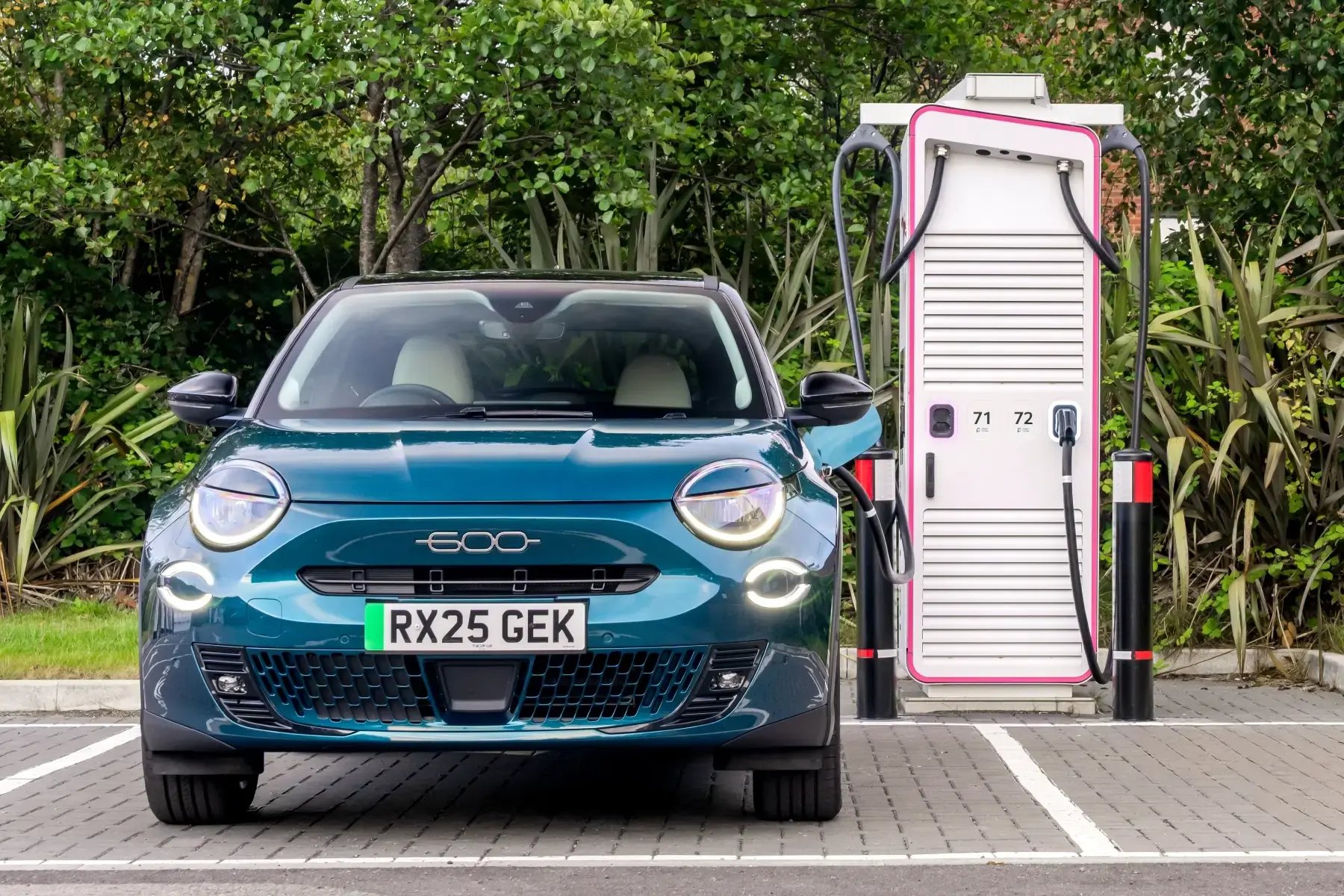
If left plugged in, the charge level will drop extremely slowly, and most EVs will periodically add a small amount of charge to get back to the required level.
Can I charge my electric car using a three-point plug?
Yes, you can charge an electric car using a three-point plug, but it will take a long time! An EV with a 60 kWh battery (that’s about average) will take 26 hours or so to charge from 0-100% using a domestic three-point socket, compared with about 8.5 hours using a home wallbox charger.
Using a three-point plug regularly for charging isn’t recommended, though. Even with a bespoke charging cable (often known as a ‘granny cable’), it’s possible to overheat the socket or put extra strain on your house’s wiring. This type of charging is best kept for emergency use only.
Do electric cars lose charge while parked?
Electric cars do lose some charge while parked, but it usually only amounts to 2-3% per month. This is due to background systems that draw a tiny amount of power, as well as the natural tendency for batteries to discharge their energy slowly over time. So you don’t have to worry if your electric car sits unused for a while.
How long can you leave an EV without charging?
You can leave an EV for months without charging. And if you know that you won’t be using your electric car for an extended period, there are a few things you can do to preserve battery charge:
- Aim to leave it with a battery charge of about 50%
- Switch off features such as wifi or automatic updates
- Activate your car’s ‘deep sleep’ or ‘energy saving’ function if it has one
Do electric car batteries degrade over time?
Electric car batteries degrade over time, but probably a lot slower than you might think. Most research suggests that, on average, battery capacity drops by about 2% for every year/10,000 miles. So an EV that has a 300-mile range when new is likely to have a range of about 240 miles by the time it's 10 years old.
A battery that’s been well looked after will hold its charge better. Some of the things that you can do to reduce strain on your electric car’s battery and keep it in good health include:
- Avoid regularly charging to 100%
- Aim to keep the battery charge between 20% and 80% most of the time
- Use high-speed (DC) public chargers sparingly
- Use a slow (AC) charger whenever possible
- If leaving the car unused for a long period, aim to leave it with about 50% charge
Where should I charge my electric car?
The best place to charge an electric car is at home, using a home charger, since this usually works out far cheaper than a public charger and is better for battery health.
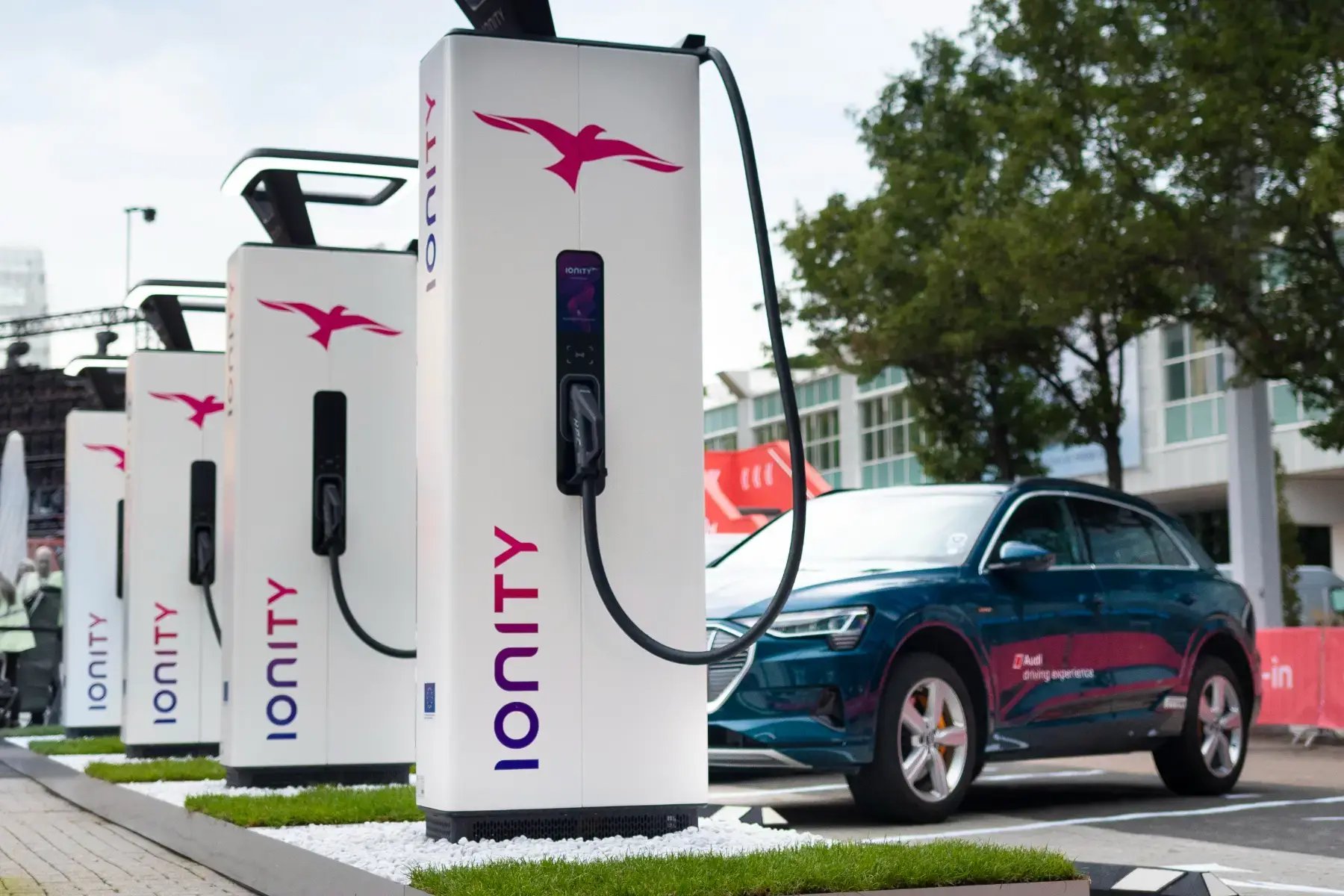
If you have an electricity tariff that allows you to charge at an off-peak rate, you could be paying as little as 7p per kWh of electricity when using a home charger. This compares with an average of about 50p per kWh for a public rapid charger, or 75p per kWh for a public ultra-rapid charger.
Charging at home takes a lot longer (we’re talking hours rather than minutes for a full charge), but that slower rate of charge puts less strain on the battery.

What does the total amount payable mean in car finance?
Total amount payable is the full amount you’ll pay for a car finance deal, including the amount you borrow, interest, and any...


Can you get car finance without a driving licence?
Yes, lenders like Carmoola offer car finance without a driving licence. Carmoola accepts applications from customers with a UK...

Getting car finance with a CCJ: what you need to know
You might still be able to get car finance with a CCJ (County Court Judgment), but you’re likely to face stricter checks and...