

.webp?width=832&height=592&name=customer-support%20(1).webp)











 Car Finance
 Cars & Gadgets
 Car Maintenance
 Tips & Advice
 News
News
 Road Trips
 Pop Culture
.webp?width=400&height=285&name=online-shoppers-with-dog%20(1).webp)


.jpg?width=500&height=356&name=Vintage%20car%20going%20to%20an%20old%20town-1%20(1).jpg)


Written by

Verified by

 What we cover


Charging an electric car in the UK can cost around £5 at home on an off-peak EV tariff, or £40+ using a rapid public charger, depending on your car’s battery size and where you plug in.
That’s the simple answer. The slightly annoying answer? EV charging costs vary a lot. A cheap overnight home tariff can make electric driving feel like a bargain. A rapid motorway charger can feel more like airport sandwich pricing.
This guide breaks down the cost of charging an electric car in the UK in 2026, including home charging, public charging, how much you could save by switching to an electric car, and easy ways to keep charging costs down.
Here’s your guide to everything you need to know about the cost of charging an electric car in the UK in 2026.
Key takeaways
-
The cost of EV charging varies depending on where, when and how fast you do it
-
Home charging is the cheapest option and can cost as little as £170 per 10,000 miles
-
Public chargers can be expensive, especially if you use faster charging speeds
-
An EV is likely to save you money over a petrol car if you have a home charger
-
Special home energy tariffs and slower public chargers can reduce your charging costs
How much does it cost to charge an electric car in 2026?
Charging an electric car in 2026 can cost from around 7p per kWh at home to 76p per kWh at a rapid public charger, depending on where, when and how fast you charge.
Where you charge
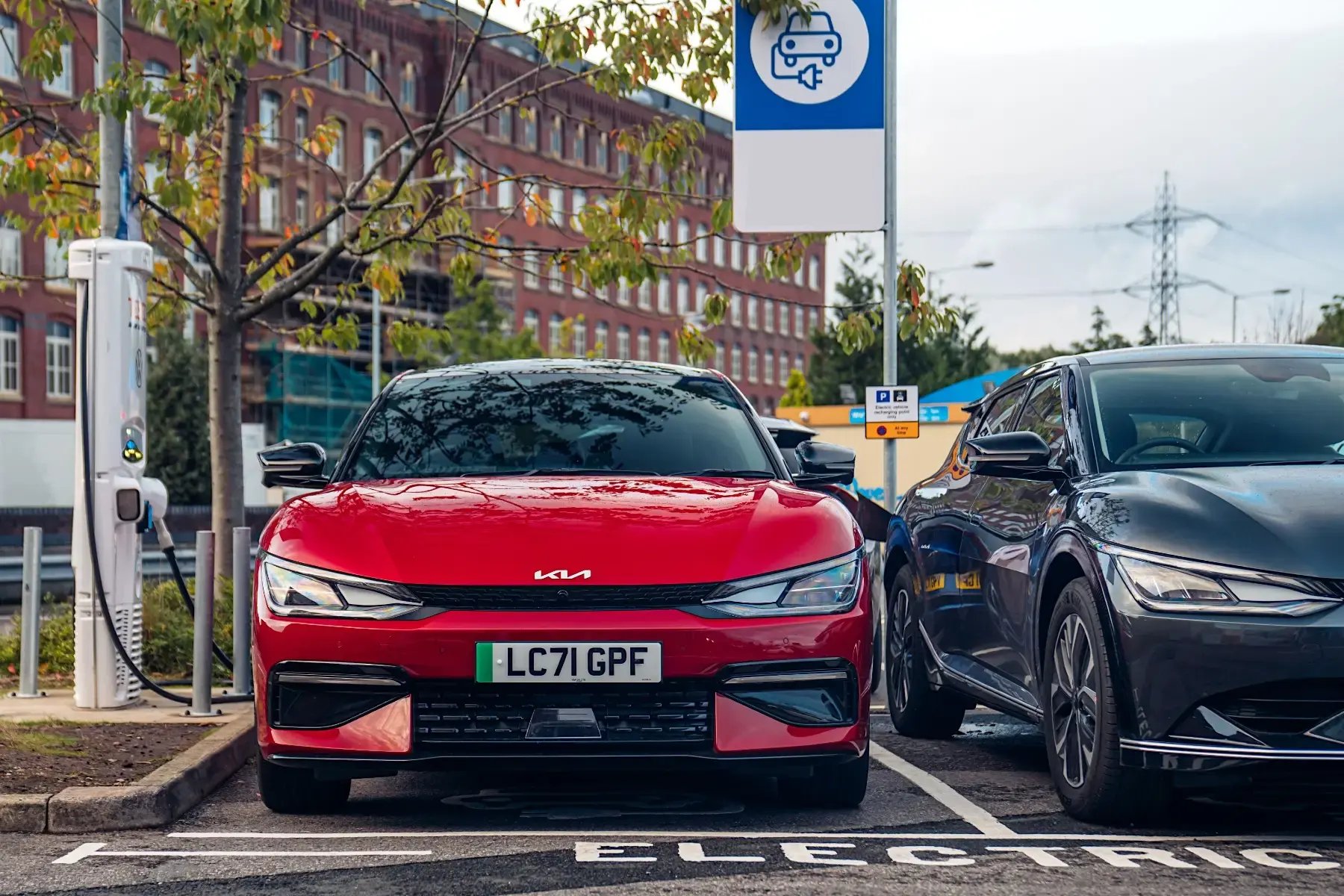
You’ve usually got two options: charging at home or using a public charger.
When you charge
This matters most at home, because some EV tariffs let you charge overnight at cheaper off-peak rates.
How fast you charge
This matters most at public chargers. Faster rapid, and ultra-rapid chargers usually cost more than slower public chargers.
So, the cost of charging an electric car can vary a lot. Home charging is usually the cheapest, especially overnight. Public charging is usually more expensive, especially when you need a quick top-up on the go.
How much does it cost to charge an electric car at home?
The cost of charging your electric car using a home charger will depend on your electricity provider and your energy tariff, but it’s almost always the cheapest way to do it.

For the period April-June 2026, the standard home energy tariff is capped at 24.67p per kWh, although you may pay less than that. The average electric car has a battery size of 60 kWh, so to charge it from 0-100% at the standard rate would cost £14.80.
Here’s the maths:
60kWh x 24.67p = £14.80
Most energy companies offer the choice of special tariffs aimed at those with home EV chargers, though. These allow you to charge the car overnight, using off-peak rates. These rates can be as low as 7p per kWh, but the average is about 8p per kWh. At that price, that same charge would cost £4.80:
60kWh x 8p = £4.80
But there’s a catch. With an EV-focused tariff, you pay more for your ‘peak’ electricity during the day and, unlike ‘standard’ tariffs, that rate isn’t capped. On average, you’ll pay about 31p per kWh – roughly 6p per kWh higher than a standard tariff.
Switching to an EV-focused off-peak tariff can still work out cheaper overall. It helps if you make the most of that off-peak rate by running your dishwasher or washing machine overnight, but ultimately it’s likely to depend on how many miles you drive. If you do less than, say, 10,000 miles per year, you might be better off sticking with a standard tariff.
How much does it cost to charge an electric car at a public charger?
Charging your electric car using a public charger is likely to cost more than using a home charger, but it can vary dramatically according to the location and charging speed.
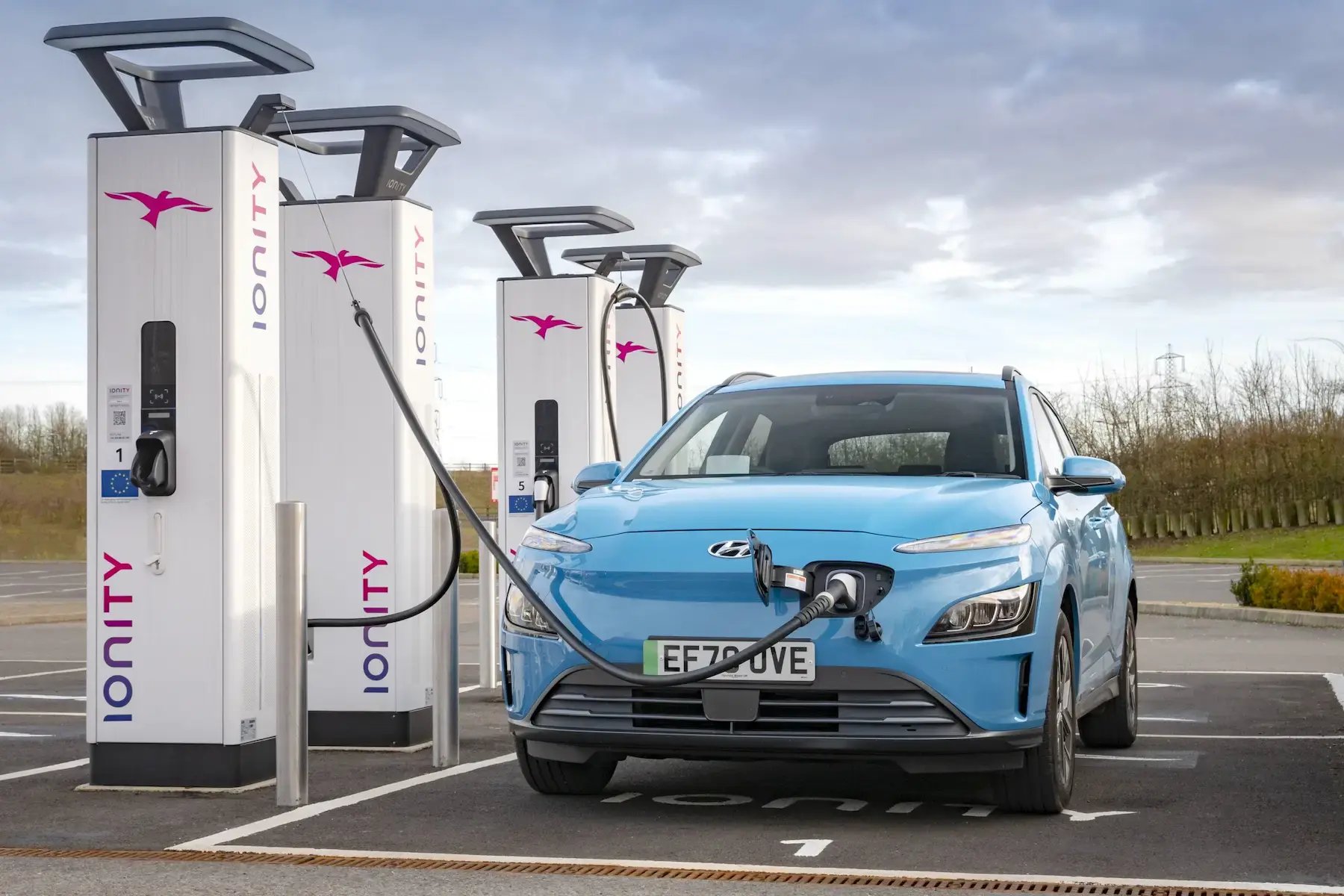
There are dozens of different EV charging networks, with major players including Be.EV, BP Pulse, Fastned, Gridserve, Ionity, Osprey and Shell Recharge. There are many more, with chargers located in places such as motorway services, car parks, city streets, hotels, tourist attractions, leisure centres and workplaces. Each network has different rates, and most have higher prices for faster charging.
The terminology can vary, but EV charging speeds fall into four main categories:
-
Standard: 3kW-8kW (almost all home chargers)
-
Fast: 8kW-50kW (mainly workplace or public chargers)
-
Rapid: 50kW-150kW (public chargers)
-
Ultra-rapid: 150kW+ (public chargers)
As of March 2026, the average rates for public chargers across the UK* were:
- Standard/fast: 54p per kWh
- Rapid/ultra-rapid: 76p per kWh
How much does it cost to charge different electric cars?
Let’s look at some real-world examples using those average prices. Here’s how much it costs to charge various electric cars from 0-100% using a home or public charger:
| Model | Battery size | Range | Home charger (off-peak rate) | Home charger (standard rate) | Public charger (standard/fast) | Public charger (rapid/ultra-rapid) |
| Renault 5 E-tech | 40kWh | 190 miles | £3.20 | £9.87 | £21.60 | £30.40 |
| Kia EV4 | 58kWh | 273 miles | £4.64 | £14.31 | £31.32 | £44.08 |
| Tesla Model Y | 75kWh | 391 miles | £6.00 | £18.50 | £40.50 | £57.00 |
| Audi Q6 E-Tron | 95kWh | 470 miles | £7.60 | £23.44 | £51.30 | £72.20 |
| BMW iX3 | 109kWh | 500 miles | £8.72 | £26.89 | £58.86 | £82.84 |
As you can see, it can cost almost 10 times as much for a full charge from a public charger than from a home charger. And while cars with larger batteries cost more to charge fully, they have longer ranges.
Is charging an EV cheaper than petrol?
‘Will an EV cost me less to run than a petrol car?’ is a question that many of us are asking. Again, there’s no easy answer. Working out fuel costs for a petrol car is pretty straightforward, but the amount you’ll pay to charge an electric car depends on the ‘where’, ‘when’ and ‘how’ factors we’ve covered so far.
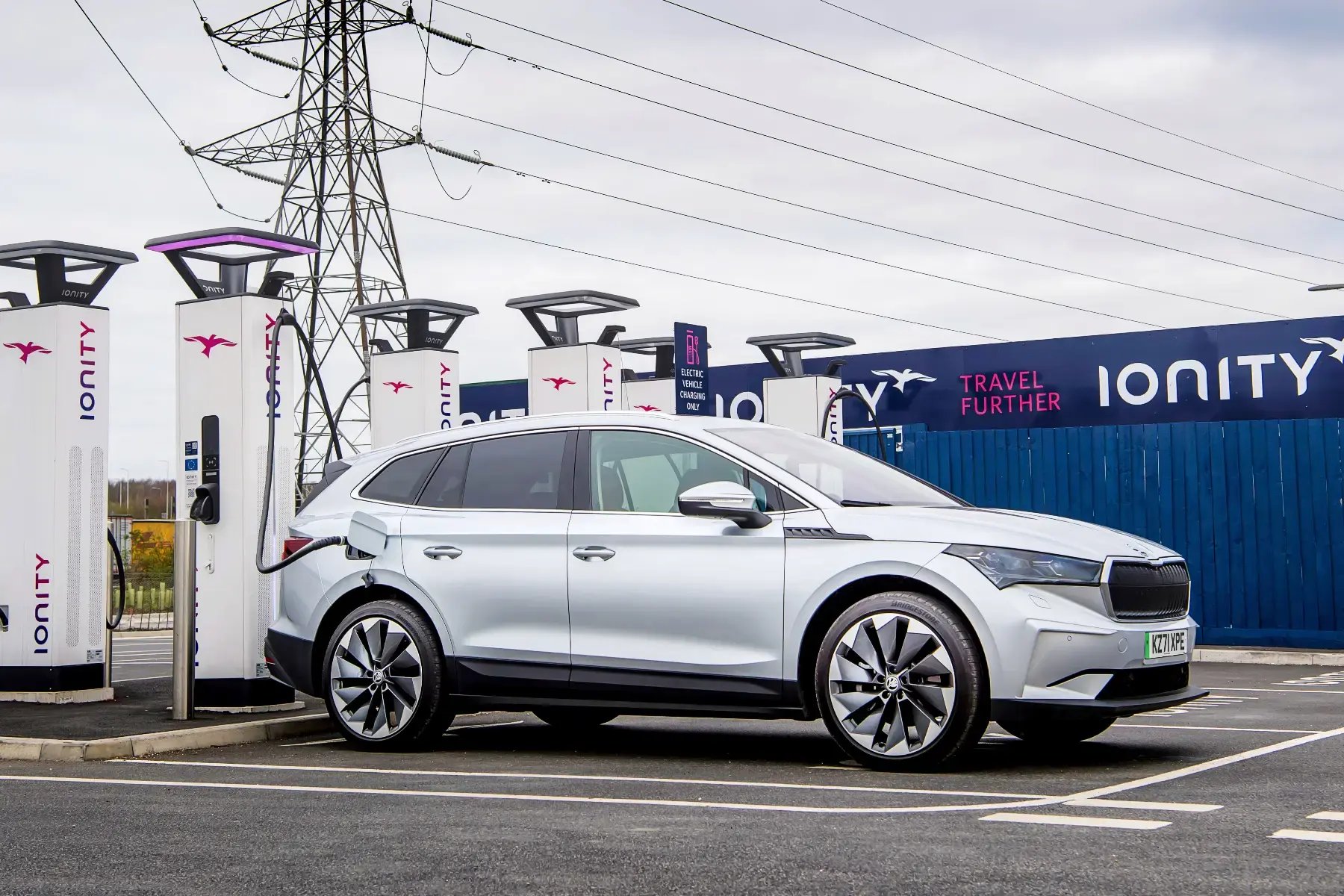
To help you get an idea, here’s an electric vs petrol cost comparison using a Kia EV4 and Kia K4 (its petrol equivalent) that gives you some ballpark figures for 10,000 miles’ worth of driving.
We based our figures on entry-level versions of each car, using a petrol price of £1.57 per litre and the average electricity prices shown above. The Kia EV4 has a 58kWh battery and an official battery range of 273 miles, while the Kia K4 has a 1.0-litre petrol engine and official fuel economy of 50mpg.
| Model | Cost per 10,000 miles | Cost per mile |
| Kia K4 (petrol | £1,427.47 | 14.3p |
| Kia EV4 (100% home charger off-peak rate) | £169.96 | 1.7p |
| Kia EV4 (100% home charger standard rate) | £524.12 | 5.2p |
| Kia EV4 (70% home charger at standard rate/30% standard/fast public charger) | £711.06 | 7.1p |
| Kia EV4 (70% home charger at standard rate/30% rapid/ultra-rapid public charger) | £851.28 | 8.5p |
| Kia EV4 (100% standard/fast public charger | £1,147.25 | 11.5p |
| Kia EV4 (100% rapid/ultra-rapid public charger) | £1,614.65 | 16.2p |
As you can see, the cost per mile for the EV4 varies significantly depending on where and how you charge it. But unless you only use public rapid/ultra-rapid chargers, you’re likely to save money over a petrol car in fuel costs.
How to save money on EV charging
There are lots of ways that you can save money on EV charging. Here are our top tips:
1. Get a home charger
Using a home charger is the single biggest way to save money charging your EV.
2. Switch to an EV energy tariff
If you have a home charger, consider switching to a tariff that lets you charge overnight at off-peak rates. Be aware that you’re likely to have a higher standard rate as a result, however.
3. Use slower public chargers
If you use public chargers, you’ll pay less if you use one with a standard/fast charging speed instead of a rapid/ultra-rapid charging speed.
4. Use battery pre-conditioning
Most electric cars allow you to pre-condition the battery while it’s charging, which gets it to the most efficient temperature for your journey.
5. Use cabin pre-heating/cooling
Many electric cars allow you to set the air-con to pre-heat or pre-cool the interior while it’s charging. This means you don’t use up valuable battery power by maxing the air-con on the move.
How much does it cost to charge an electric car at work?
It’s probably no surprise that the cost of charging an electric car at work depends on your employer. Some offer free charging as a perk, while others offer a subsidised rate – usually somewhere between 15p per kWh and 25p per kWh.
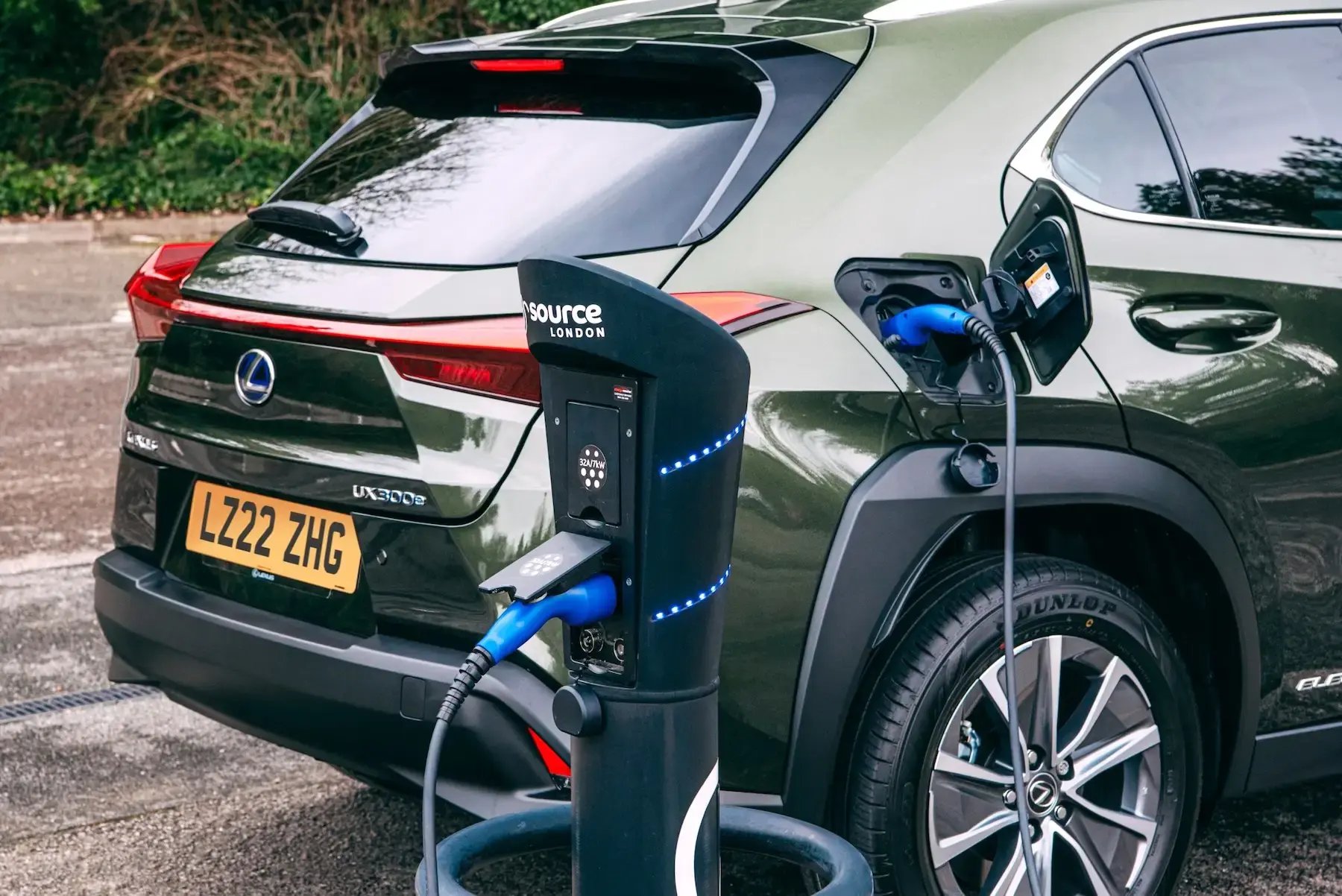
In general, the cost of charging at work is lower than using a public charger but tends to be slightly higher than the cost of a home charger (if you have an EV-specific home tariff).
If you don’t have a home charger, workplace charging could make owning an EV cheaper than running a petrol car. Bear in mind, though, that the number of charging points (and how long you can use one) could be limited, depending on the size of the company and the location.
Are there any free EV chargers in the UK?
Free public chargers were common in the early days of EVs in the UK. Nowadays? Not so much, but you can still find them if you know where to look. According to Zapmap, as of May 2025, there were 1,837 free public chargers in the UK, out of a total of more than 115,000. That’s about 1.6%.
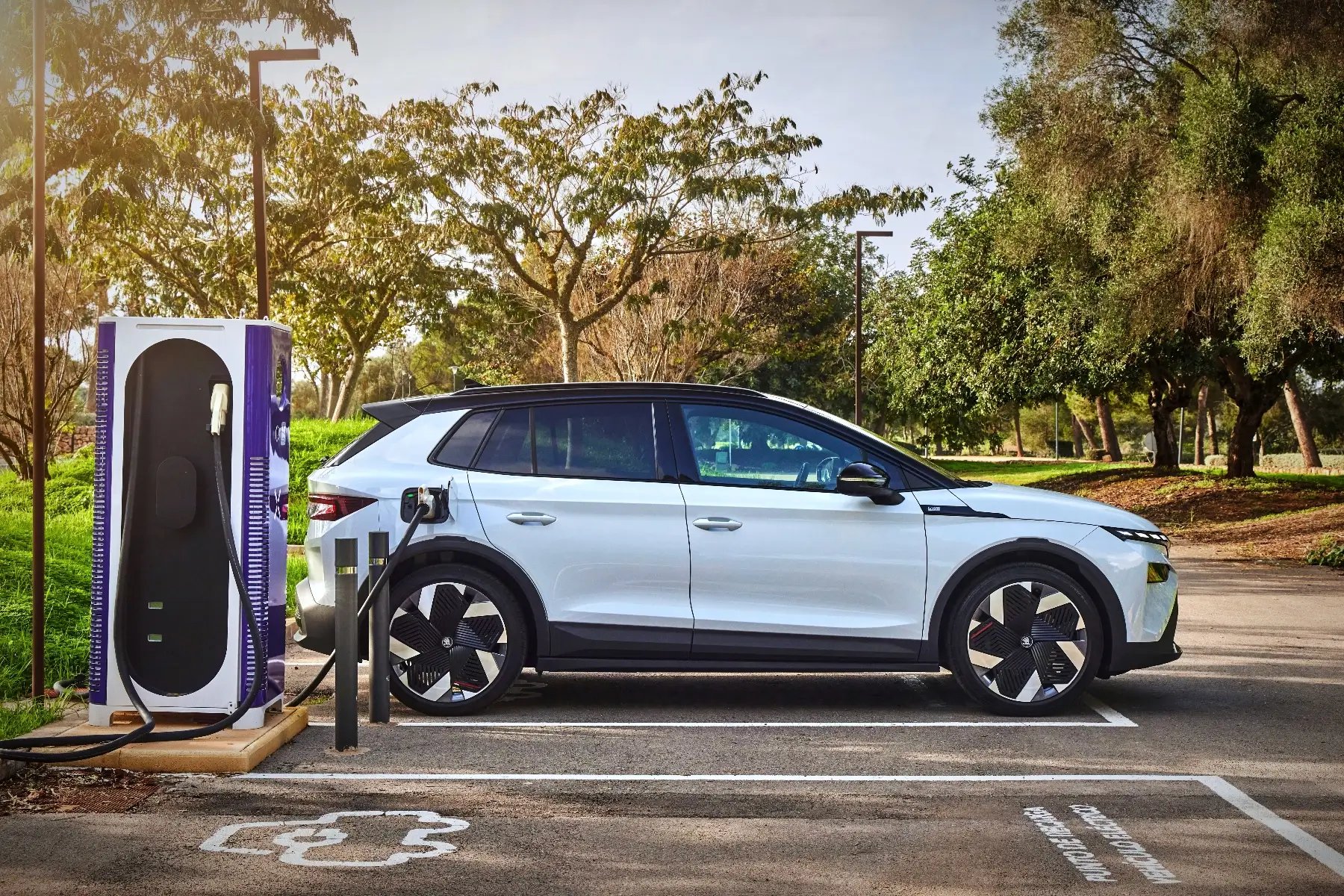
The majority of these were at hotels, car dealerships or car parks, although there was also a decent percentage at supermarkets, workplaces, retail parks and tourist attractions. While they might be free to use, many of these chargers have access restricted to customers or guests, and in some cases, you might have to pay for parking.
* Data sourced from ZapMap price index

What does the total amount payable mean in car finance?
Total amount payable is the full amount you’ll pay for a car finance deal, including the amount you borrow, interest, and any...


Can you get car finance without a driving licence?
Yes, lenders like Carmoola offer car finance without a driving licence. Carmoola accepts applications from customers with a UK...

Getting car finance with a CCJ: what you need to know
You might still be able to get car finance with a CCJ (County Court Judgment), but you’re likely to face stricter checks and...