

.webp?width=832&height=592&name=customer-support%20(1).webp)












 Car Finance
 Cars & Gadgets
 Car Maintenance
 Tips & Advice
 News
News
 Road Trips
 Pop Culture
.webp?width=400&height=285&name=online-shoppers-with-dog%20(1).webp)


.jpg?width=500&height=356&name=Vintage%20car%20going%20to%20an%20old%20town-1%20(1).jpg)


Written by

Verified by

 What we cover


Hybrid and electric cars can both help cut your running costs, but which one works out cheaper? It depends on how, where, and how far you drive and whether you can charge at home. In this guide, we’ll compare hybrids, plug-in hybrids, and EVs to help you find the most cost-effective choice.
What are the differences between hybrid, plug-in hybrid and electric cars?
Hybrids (HEVs) combine a petrol engine with an electric motor and a battery pack. They charge themselves while driving and don’t need to be plugged in. You’ll get a short burst of electric-only power at low speeds, but most driving uses both systems.
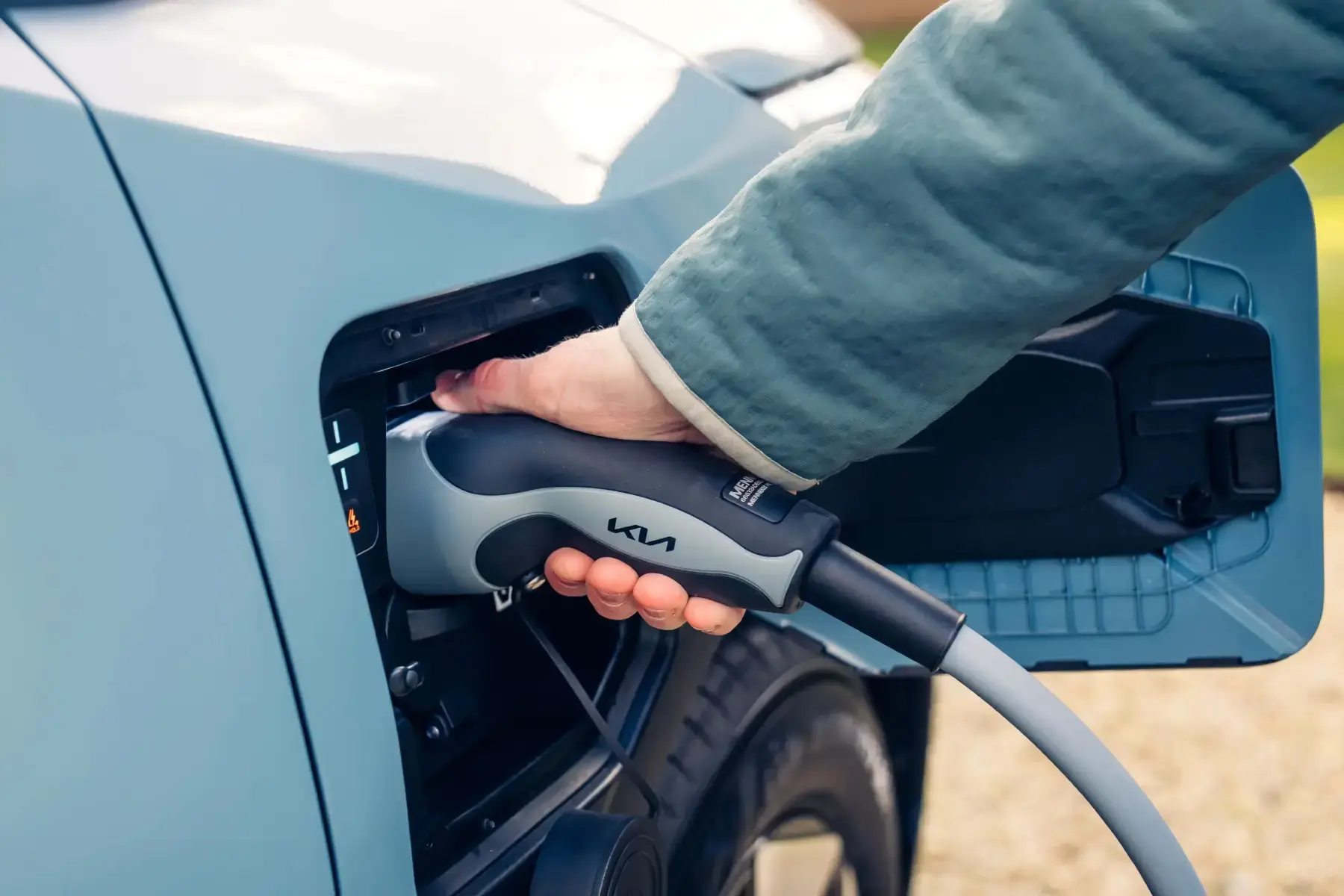
Plug-in hybrids (PHEVs) are similar but have a larger battery and more electric range—typically 30 to 80 miles. You do need to charge them regularly to maximise savings. Once the battery is empty, they function like a hybrid.
Electric cars (EVs) run entirely on electricity from a rechargeable battery. Older models may offer 100-150 miles of range, while new ones average nearly 300. You’ll need to charge them at home or via the public network.
We’re not covering mild hybrids here as they don’t offer electric-only driving and have limited cost-saving potential.
Key takeaways
- Hybrids suit a wide range of drivers and offer balanced running costs
- PHEVs only save money if charged regularly with cheap electricity
- EVs offer the lowest running costs if you can charge at home
- Public charging can reduce EV cost benefits
Hybrid cars (HEVs) explained
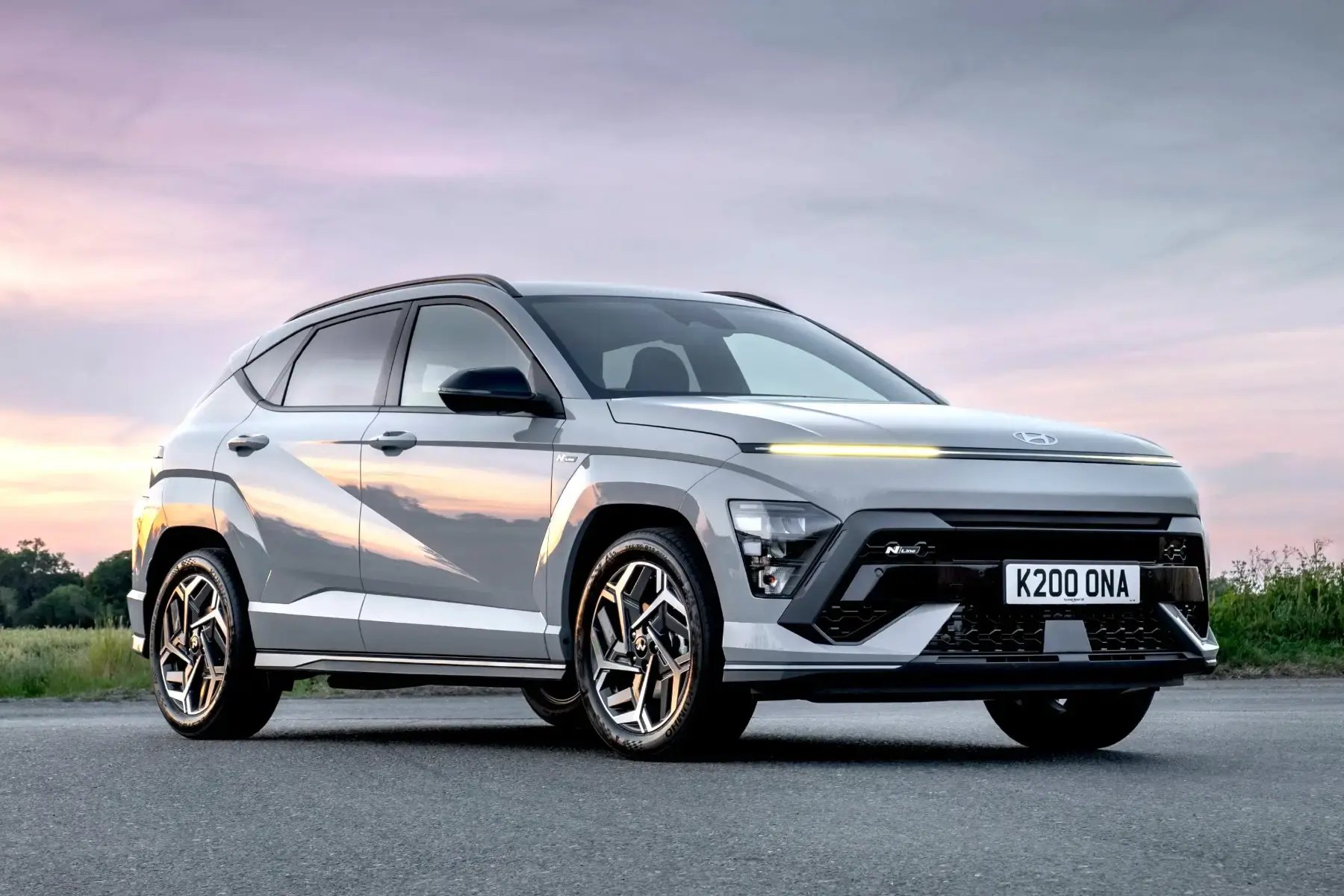
Hybrid cars have been around for a long time, with well-known examples such as the Toyota Prius introduced more than twenty years ago. They give better fuel economy and lower emissions than a pure petrol car because their electric motor does some of the work. They don’t need to be recharged, so there’s no cause for range anxiety.
Pros of hybrid cars
- Cheaper to buy than a PHEV or EV, good residual values
- Almost all hybrids have free entry to clean-air zones
- All modern hybrid cars have an automatic gearbox as standard
- Potential for low running costs, especially for lower mileage urban drivers
- No range anxiety
Cons of Hybrid Cars
- Boot space can be less than that of a petrol or electric car
- Not as efficient at motorway speeds
- Used prices are comparatively high
- Some hybrids are not as fast or fun to drive as a petrol or electric car
- Very short pure-electric range
Plug-in hybrid cars (PHEVs) explained
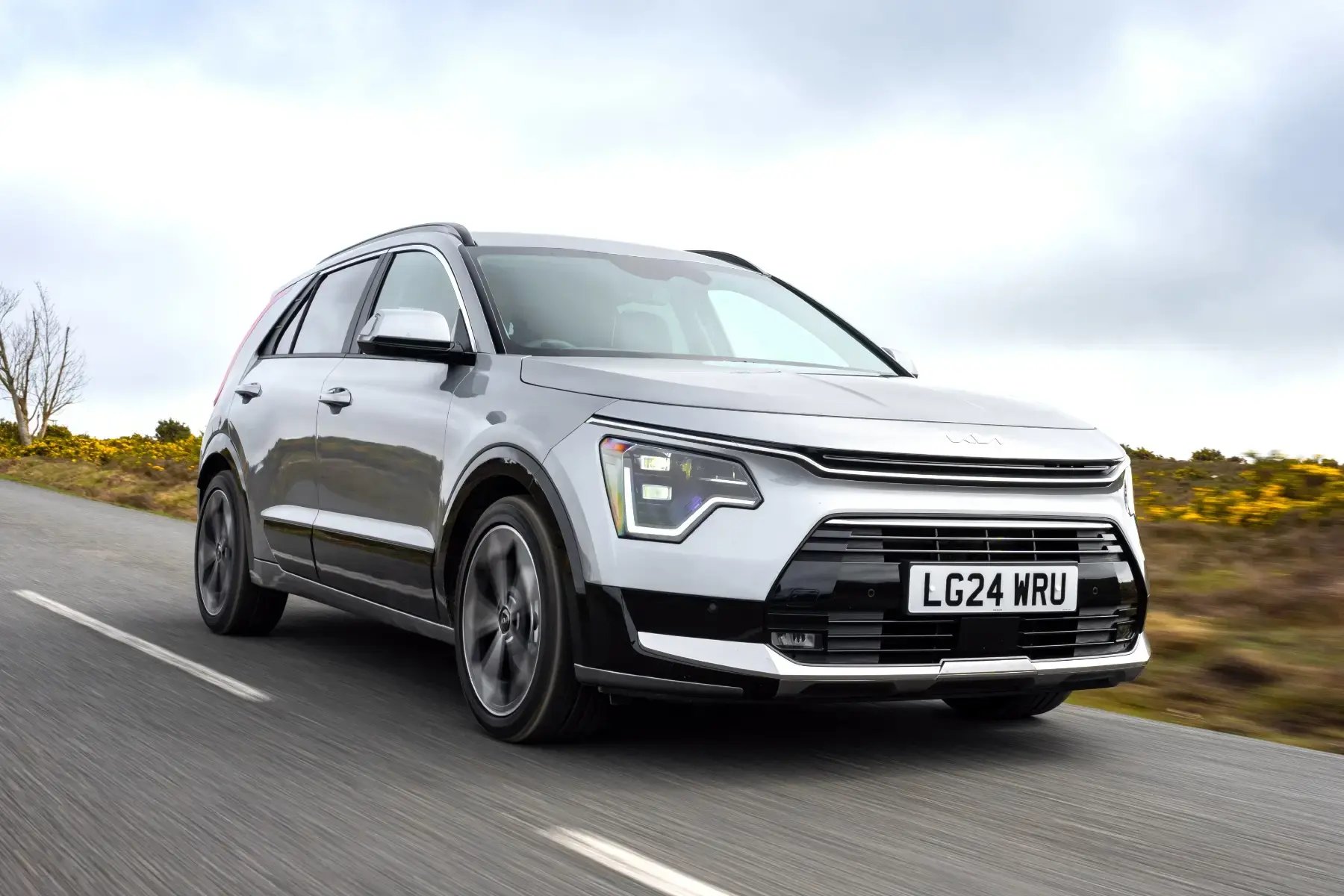
The first mainstream plug-in hybrid cars (PHEVs) were introduced to the UK in the early 2010s, and there are a growing number of new PHEV models on the market. The larger battery and electric motor of a plug-in hybrid gives a longer electric-only range than a hybrid (HEV), but for maximum efficiency you need to keep its battery topped up.
Pros of plug-in hybrid cars
- Enough pure-electric range for some daily commutes
- Can give excellent fuel economy if regularly charged
- Very low company car tax rating
- No range anxiety
- All have free entry to clean-air zones
Cons of plug-in hybrid cars
- Boot space is often compromised
- May be less efficient than a hybrid when the electric range is used up
- Higher purchase price compared with an HEV
- Unlikely to match official MPG figures
- Limited electric range, slow charging speeds
Electric cars (EVs) explained
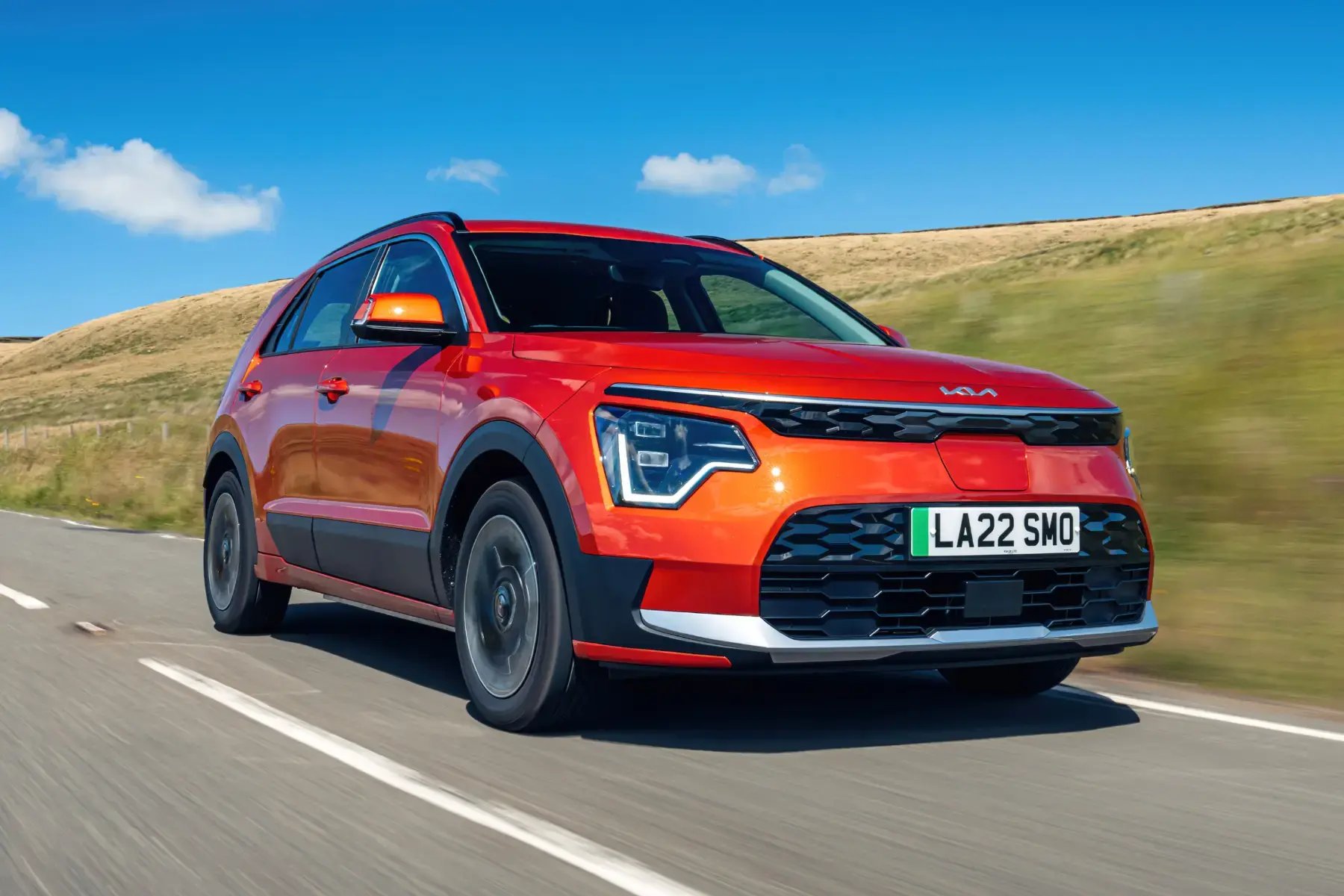
Electric cars are now a mainstream option, with a huge range of models and body styles to choose from. Some of the best-selling new cars are now pure-electric models and from 2035 all new cars sold in the UK will be EVs.
Pros of electric cars
- Zero tailpipe emissions
- Can give low running costs if you have a home charger
- Fast and quiet to drive
- Often very practical
- Used prices are very affordable
Cons of electric cars
- Public charging can be expensive
- Range anxiety is still an issue
- Most cost more to buy new
- Charging takes longer than a fuel fill-up
- Not all EVs are suited to towing
Hybrids vs electric cars cost comparison: new cars
When comparing the cost of hybrid cars vs electric cars it’s useful to look at the total cost of ownership. So as well as the purchase price, there’s the cost of fuel or electricity, tax, insurance and maintenance to consider.
Let’s have a look at an example, comparing brand-new hybrid, plug-in hybrid and electric versions of the Kia Niro, all in a mid-spec trim level.
|
FUEL TYPE |
NEW PRICE |
OFFICIAL AVE. MPG |
CO2 EMISSIONS |
INS. GROUP |
ROAD TAX (VED) 2ND YR. ONWARD |
COMPANY CAR TAX
|
KIA SERVICE PLAN |
|
Hybrid |
£33,065 |
58.9 |
111g/km |
20 |
£195 |
£288 per month |
£639 |
|
Plug-in hybrid |
£37,685 |
313.9 |
21g/km |
23 |
£195 |
£163 per month |
£709 |
|
Electric |
£39,585 |
N/A |
0g/km |
29 |
£195 |
£40 per month |
£389 |
Hybrids vs electric cars cost comparison: price
As you can see, there’s a big step up in price from the hybrid to the plug-in hybrid and then a smaller step up to the electric version. The Kia Niro EV isn’t eligible for the UK government’s zero-emissions grant, although some new electric cars are, and this is reflected in their list price.
Hybrids vs electric cars cost comparison: insurance and tax
The hybrid model has the lowest insurance group rating, with the plug-in and electric versions rated three and nine groups higher, respectively. We haven’t included first-year road tax (VED) rates because these are included in the car’s on-the-road price. From the second year onwards, the rates are the same for all three cars.
If you’re a company car driver, there’s a clear case for choosing the electric version since you’ll pay just £40 per month in benefit-in-kind (BiK) tax. The plug-in hybrid will cost you four times that at £163 per month, while the bill for the hybrid will be £288 per month. Those are figures for drivers paying a higher-rate income tax rate, so you pay half of that if you’re a basic-rate tax payer.
Hybrids vs electric cars cost comparison: maintenance and other fees
Maintenance costs are likely to be highest for the plug-in hybrid. An official Kia service plan (which covers the first three services) costs £389 for the EV, £639 for the hybrid and £709 for the plug-in hybrid.
All three cars meet the emissions standards for free entry to clean air zones across the UK, as well as the Ultra Low Emission Zone (ULEZ) in London.
At the time of writing, the EV is the only one exempt from the London Congestion Charge. From December 25, 2025, however, the exemption is being replaced by a 25% discount on the full charge, which rises to £18 per day from January 2026.
Hybrids vs electric cars cost comparison: cost per 10,000 miles
Running costs vary based on fuel type, electricity rates, and driving habits. Here’s what it could cost to drive 10,000 miles:
Hybrid: Based on 58.9mpg and petrol at £1.35/litre, you’d spend around £1,042.
Electric: At off-peak home rates (7p/kWh), charging a Niro EV would cost just £159. At public rates (52p/kWh), it jumps to £1182. A mix of home and public charging will fall somewhere in between.
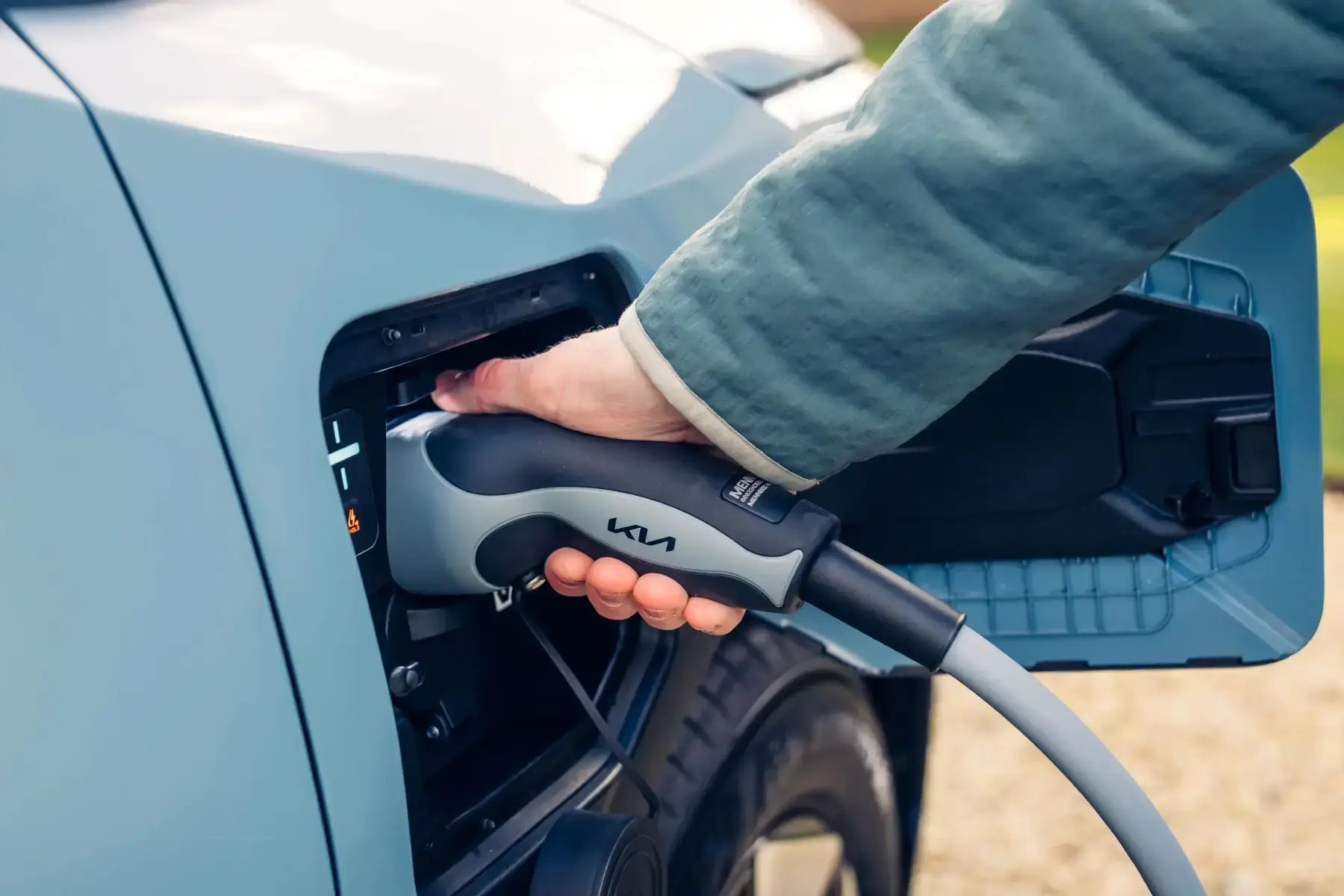
Plug-in hybrid: If you regularly charge at home, you could achieve costs close to an EV. But if the battery isn’t charged, you might get worse mpg than a hybrid. The official figure is 313.9mpg, but real-world averages are closer to 141mpg or about £435 in fuel over 10,000 miles. Add in some electricity, and it’s a midpoint between hybrid and EV.
Hybrids vs electric cars cost comparison: used cars
Used EV prices have dropped sharply, sometimes matching or beating used hybrid and PHEV prices. Hybrids tend to hold their value better. PHEVs depreciate faster, so you might find HEV and PHEV versions of the same car for a similar used price.
If you’re buying used, HP car finance or PCP finance can help spread the cost into fixed monthly payments.
Are hybrid cars cheaper to run?
Hybrid cars can be cheaper to run than a plug-in hybrid or electric car, depending on your lifestyle and driving habits. They cost the least to buy new, the least to insure and have good residual values. Maintenance costs should be reasonable, and, as with all three car types, they give free entry to clean air zones.
Are plug-in hybrid cars cheaper to run?
Plug-in hybrids are unlikely to be cheaper to run than a hybrid or electric car for the majority of buyers because there are very specific use cases where they are most efficient. If you can keep the battery topped up using off-peak or free electricity they can offer low running costs but insurance and maintenance costs are higher than a hybrid’s and fuel economy can be worse once their electric-only range has been used up.
Are electric cars cheaper to run?
Electric cars can be cheaper to run than a hybrid or plug-in hybrid if you have a home charger and can charge at off-peak rates. New prices are highest of all, but the gap is narrowing and used values are very affordable. Maintenance costs and company car tax rates are low but EVs usually cost more to insure. Bear in mind, however, that if you’re relying on public chargers, running costs could be no cheaper than for a hybrid.
Hybrids vs electric cars: which type of car is best for you?
Choosing whether a hybrid or electric car is best for you means thinking about a lot of different things. Your budget, mileage and charger access all make a huge difference to which one will fit your needs and cost least to own.
A hybrid could be a great choice if you want a solid all-rounder and charging at home isn’t an option. If you do have a home charger an EV has the potential to give low ownership costs, especially if you take advantage of their current low used values. A plug-in hybrid will suit some people, but if you don’t have a home charger and cover a lot of miles it may not be the most sensible option.
And of course, there are still good old petrol or diesel cars, which could still be the best option for some buyers.

What does the total amount payable mean in car finance?
Total amount payable is the full amount you’ll pay for a car finance deal, including the amount you borrow, interest, and any...


Can you get car finance without a driving licence?
Yes, lenders like Carmoola offer car finance without a driving licence. Carmoola accepts applications from customers with a UK...

Getting car finance with a CCJ: what you need to know
You might still be able to get car finance with a CCJ (County Court Judgment), but you’re likely to face stricter checks and...