

.webp?width=832&height=592&name=customer-support%20(1).webp)











 Car Finance
 Cars & Gadgets
 Car Maintenance
 Tips & Advice
 News
News
 Road Trips
 Pop Culture
.webp?width=400&height=285&name=online-shoppers-with-dog%20(1).webp)


.jpg?width=500&height=356&name=Vintage%20car%20going%20to%20an%20old%20town-1%20(1).jpg)


Written by

Verified by

 What we cover


Choosing between a saloon and a hatchback is an age-old dilemma for car buyers. A hatchback gives you flexibility and easier loading, while a saloon offers a more traditional shape, a separate boot and often a quieter feel on the road. Each body style has its merits, but which one is right for you?
In this guide, we'll take a look at the key differences between saloons and hatchbacks, covering areas such as design, practicality, costs, driving, and which one might be the smarter choice for you.
Key takeaways
-
A hatchback’s boot opens at the roof while a saloon’s opens below the rear window
-
Hatchbacks are more versatile, and saloons generally have a larger boot capacity
-
Saloons offer better security and a slightly quieter drive
-
Hatchbacks are more widely available and usually more affordable
-
Most new saloons are premium or luxury models
What is a saloon?
A saloon car is one that has a boot that’s separate from the rest of the car, with an opening that hinges below the rear window. Looked at from the side, a saloon’s boot generally sticks out noticeably. A bit like that classic ‘three-box’ car you might have drawn as a kid. Saloons are known as ‘four-door’ models because they have four full-height side doors.
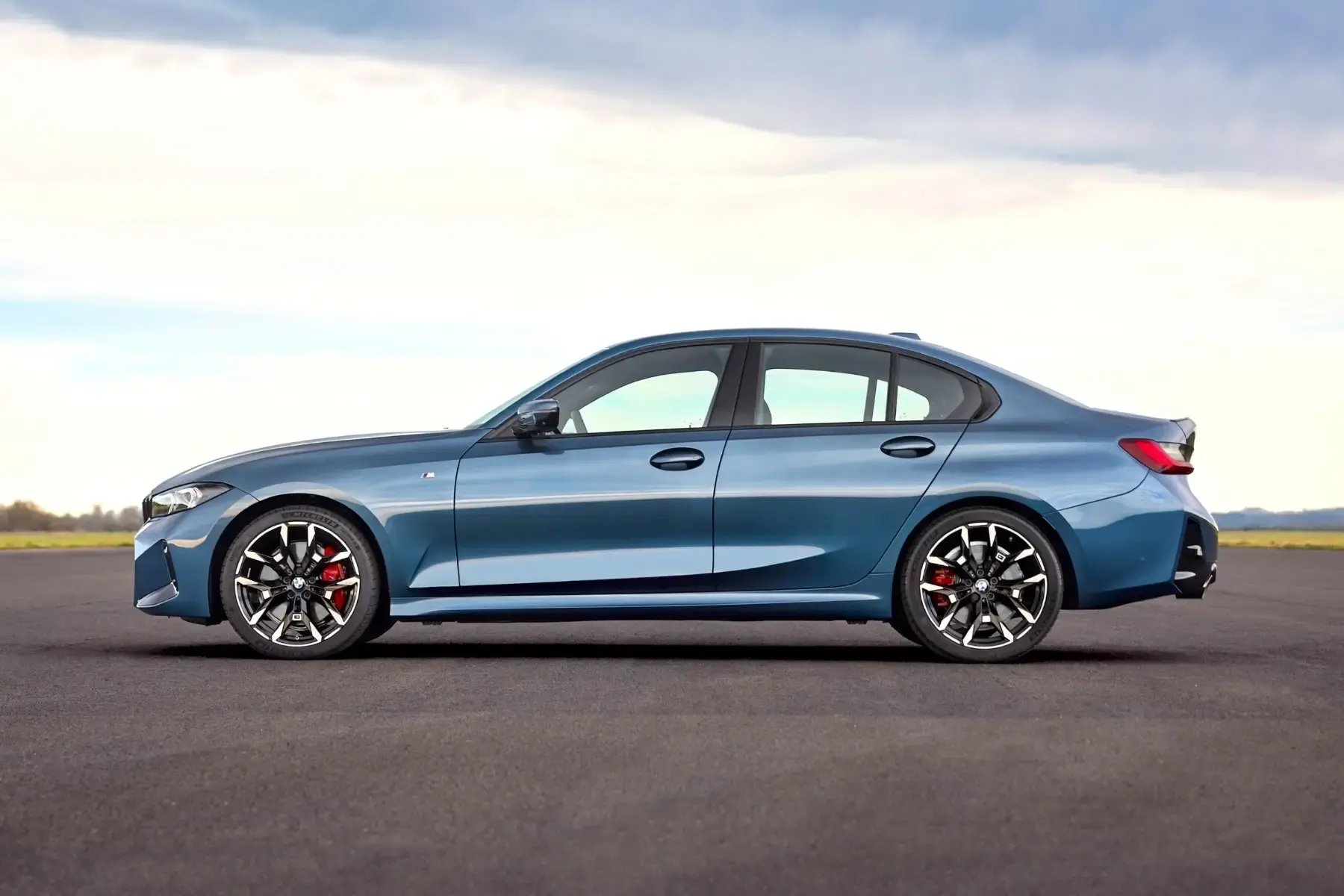
Saloons aren’t as common as they used to be, thanks largely to the rise in popularity of SUVs. Nowadays, most new saloon cars are made by premium brands, so they’re not as affordable as hatchbacks and don’t offer the same wide range of models.
Popular saloon models include the BMW 3 Series, Mercedes-Benz E-Class and Tesla Model 3.
What is a hatchback?
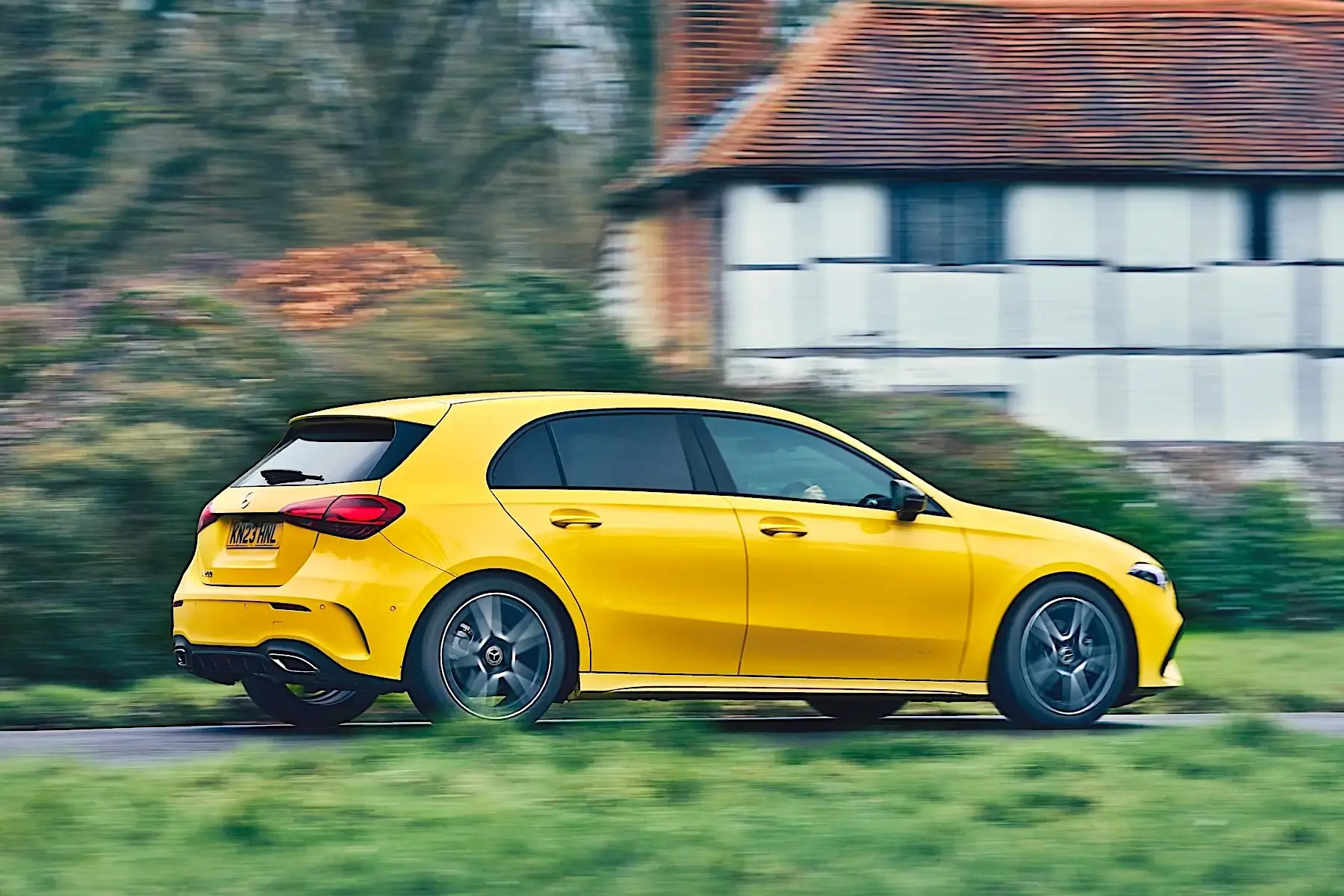
A hatchback is a car that has a boot lid that contains the rear window and hinges from the roof. A huge variety of hatchback models are available, from compact city cars to big luxury cars. Most hatchbacks have four side doors, but they’re known as five-door cars because the boot lid is counted as an extra full-height door. Some smaller hatchbacks have only two side doors: these are referred to as three-door hatchbacks.
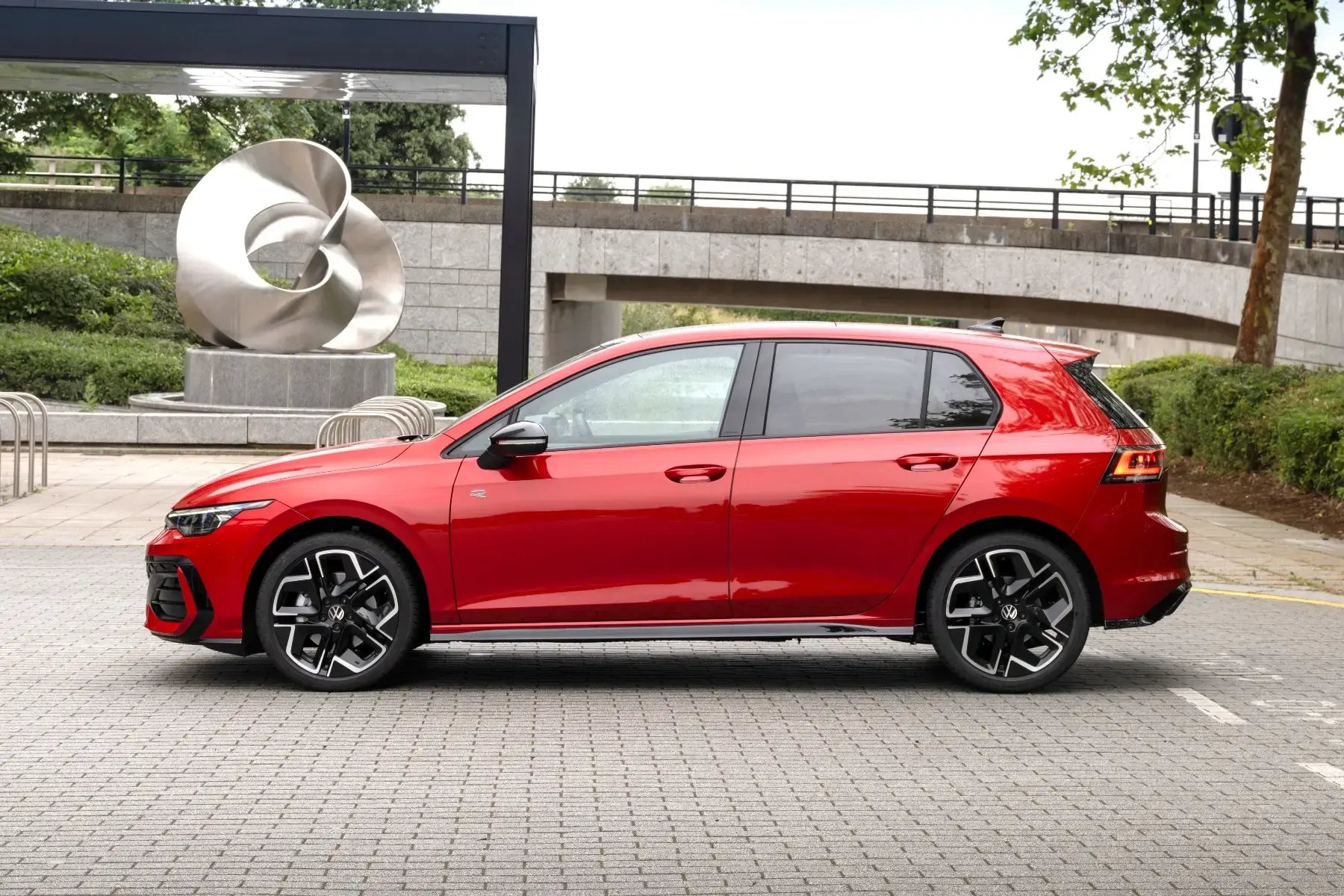
Hatchbacks are hugely popular since they offer great practicality, and there are options to suit various needs and budgets. Although crossovers, estate cars, SUVs and some coupes have a hatchback-style boot opening, these are classed as separate car types.
Popular hatchback models include the Ford Focus, Vauxhall Corsa and Volkswagen Golf.
What are the main differences between a hatchback and a saloon?
The main differences between a hatchback and a saloon are the boot opening and the type of cars available with each body style.
As we’ve mentioned, a hatchback’s boot is hinged above the rear window, whereas a saloon’s is hinged beneath it. That gives a hatchback a much taller boot opening that allows you to load bulkier items into it.
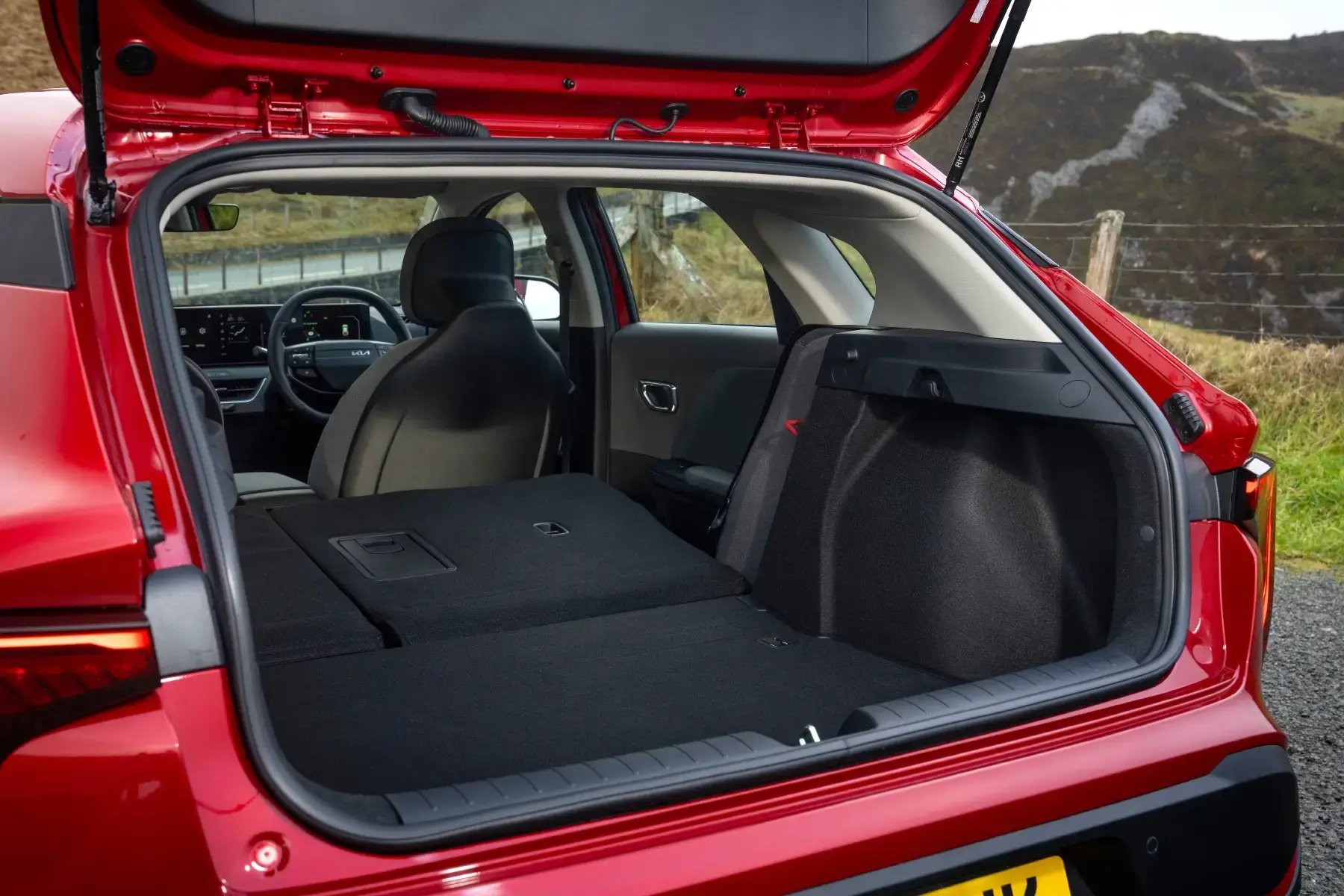
Because a saloon has a separate boot space, it generally means less road noise or suspension noise gets through to the interior of the car. That means saloons are often quieter at speed. A saloon also has a more secure load space, since everything’s locked away under a metal boot lid. With a hatchback, it’s possible for thieves to smash the rear window and gain access to the boot more easily.
There’s generally very little difference between a hatchback and saloon in terms of ownership costs. When a model is sold in both formats, the saloon version usually costs slightly more to buy, but fuel economy, insurance and maintenance costs are usually more or less identical.
Which is more practical, a hatchback or saloon?
Hatchbacks and saloons can both be very practical. A saloon generally has a longer boot, which can give it more load capacity compared with a hatchback that’s filled to the load cover (you might also know it as the ‘parcel shelf’).
Hatchbacks are more versatile, though. If you remove a hatchback’s parcel shelf, you can load it up to the rear window, and that’s generally a lot higher than a saloon’s boot lid. If you want to carry something really big and bulky like a bicycle or a chest of drawers, a hatchback is usually better suited to the job.
Many modern saloon cars have folding back seats, but some don’t. Even if they do, you get a much lower opening to push large items through.
Saloon pros and cons
A saloon car could be a good fit if you’re looking for a stylish car with a big boot, but there are some key points to consider.
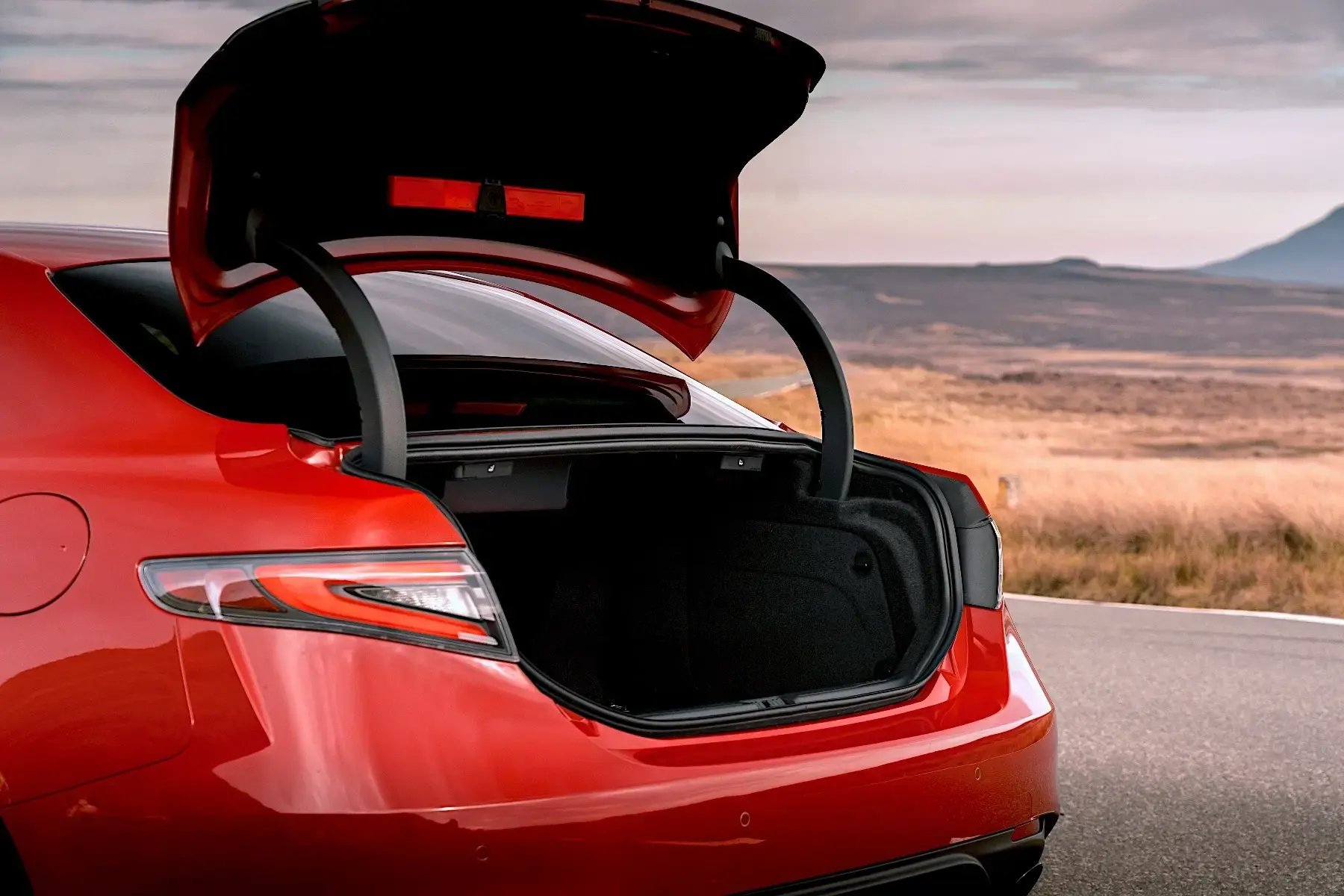
Here are the main pros and cons of saloon cars:
Pros
-
Large boot
-
Prestigious image
-
Secure load space
-
Often quieter than a hatchback
Cons
-
Not as versatile as a hatchback
-
Limited choice of models
-
No budget-priced new options
Hatchback pros and cons
Hatchback cars are versatile, and there are lots of makes and models to choose from, but there are some key advantages and disadvantages to be aware of.
Here are the main pros and cons of hatchback cars:
Pros
-
Versatile boot space and opening
-
Huge choice of models available
-
More affordable than a saloon
-
Many are compact and easy to park
Cons
-
Less secure boot than a saloon
-
Can be noisier inside
-
Some hatchbacks are small and basic
Saloon vs hatchback example: Audi A3
Back in the day, lots of popular cars were available as either a hatchback or a saloon, but there are now only a handful of new cars that give you that choice. One is the Audi A3. It’s available as a five-door hatchback called the A3 Sportback, or as a saloon called the A3 Saloon.
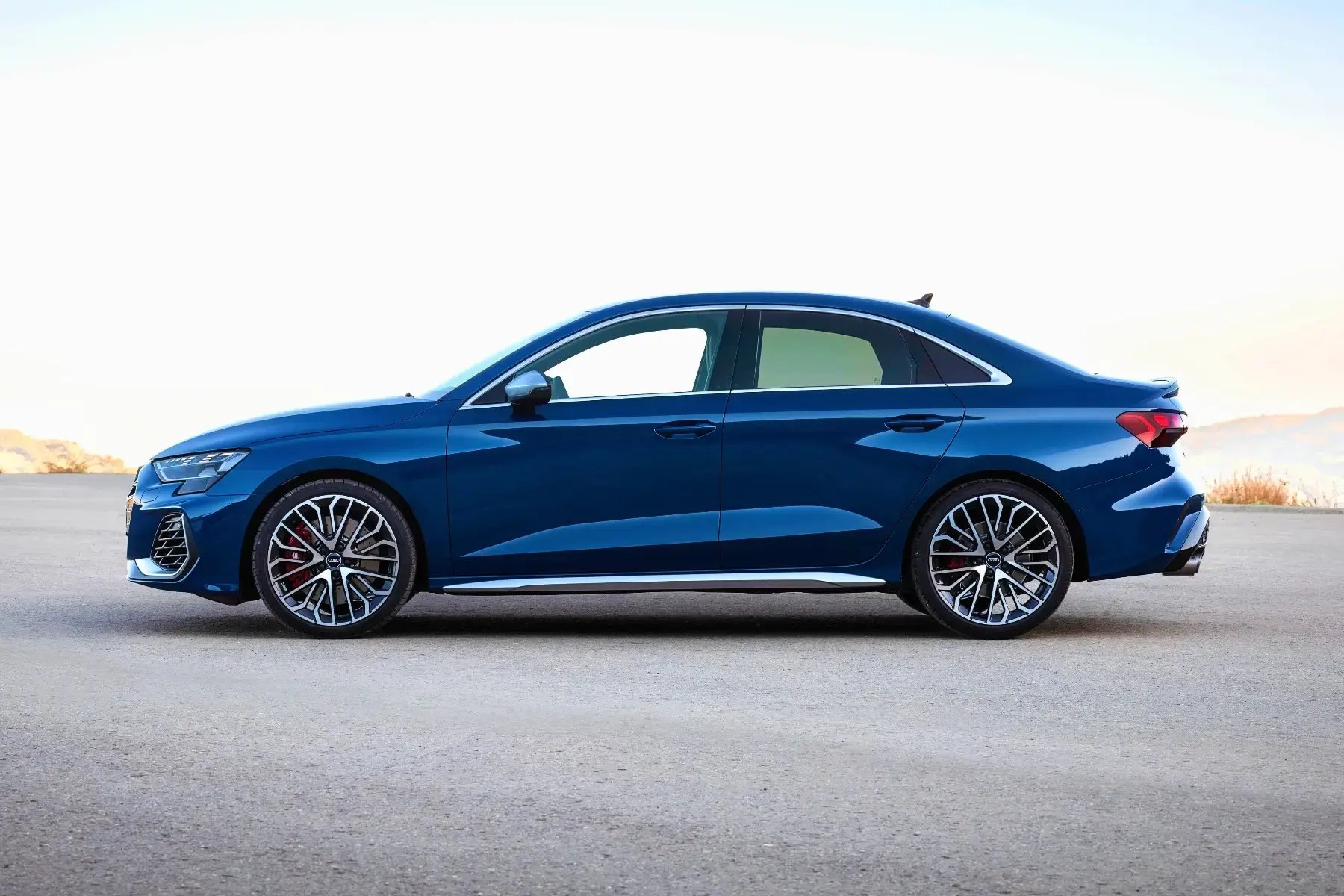
Here’s a quick comparison table highlighting the key differences between them:
| Saloon | Hatchback | |
| Price from | £30,880 | £30,285 |
| Boot space | 425 litres | 380 litres (to load cover |
| Fuel economy | 52.7 mpg | 51.0 mpg |
| CO2 emissions | 122 g/km | 126 g/km |
| 0-62mph | 9.7 seconds | 9.7 seconds |
| Weight | 1,285 kg | 1,285 kg |
| Overall length | 450 cm | 435 cm |
As you can see, there’s little to separate the two. The saloon model costs £595 more to buy, has a larger boot (when comparing the hatchback to the load cover), is 15cm (about six inches) longer and gives slightly better fuel economy.
Hatchback vs saloon vs estate vs coupe
Ok, we’ve established the difference between a hatchback and a saloon, but how do they compare with other car types?
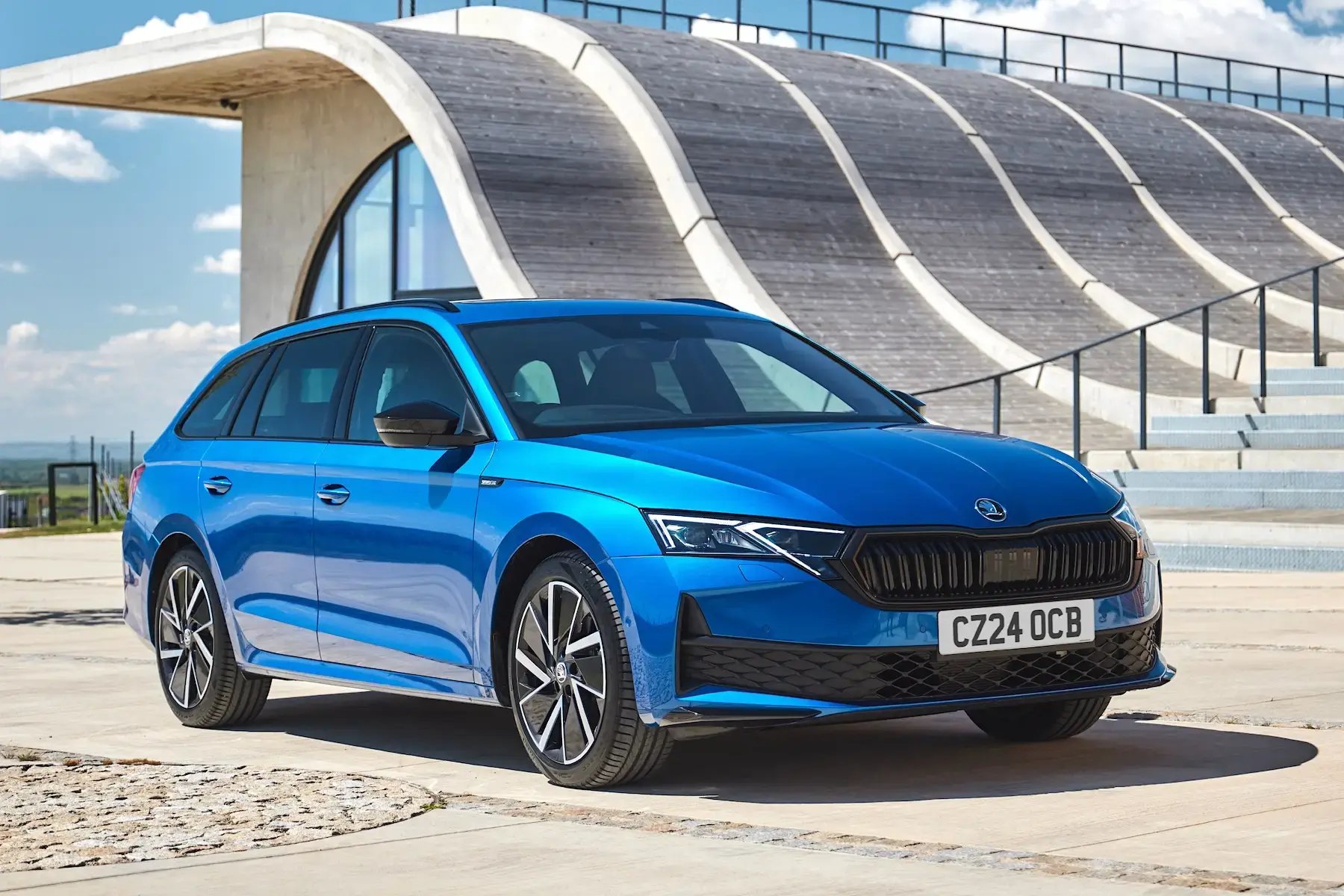
An estate car is usually based on an existing hatchback or saloon model, but with an extended, more upright rear end that gives extra load space and an even larger boot opening. Technically, an estate car is a hatchback because its boot is hinged at the top of the rear window.
A coupe is a car that puts style and driving appeal above practicality. Traditionally, a coupe had two side doors, but nowadays some car brands describe four-door or five-door models and even SUVs as coupes. Coupes are much rarer than hatchbacks and saloons, and generally cost more to buy and run.

What does the total amount payable mean in car finance?
Total amount payable is the full amount you’ll pay for a car finance deal, including the amount you borrow, interest, and any...


Can you get car finance without a driving licence?
Yes, lenders like Carmoola offer car finance without a driving licence. Carmoola accepts applications from customers with a UK...

Getting car finance with a CCJ: what you need to know
You might still be able to get car finance with a CCJ (County Court Judgment), but you’re likely to face stricter checks and...