
.webp?width=832&height=592&name=customer-support%20(1).webp)











 Car Finance
 Cars & Gadgets
 Car Maintenance
 Tips & Advice
 News
News
 Road Trips
 Pop Culture
.webp?width=400&height=285&name=online-shoppers-with-dog%20(1).webp)


.jpg?width=500&height=356&name=Vintage%20car%20going%20to%20an%20old%20town-1%20(1).jpg)


Free car valuation - Instant and accurate car price
Find out your car price in seconds with our free car valuation tool. Enter your registration and mileage to check your car’s market value and decide your next move with confidence.

Whether you’re selling privately or trading in, knowing your car valuation puts you in control.
Representative 14.9% APR
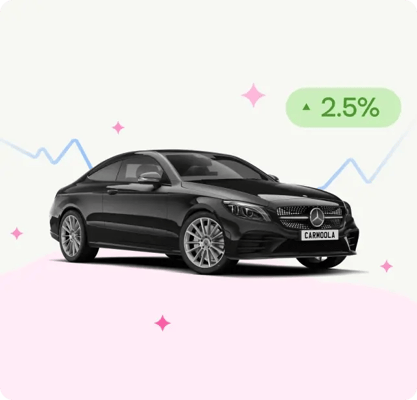

Negotiating power
A car valuation gives you leverage. You walk into a dealership knowing your car price. You avoid low offers. You stay in control.

Fair private pricing
A realistic car price attracts serious buyers. Price too high, and your car sits. Price too low and you lose money. A data-backed car valuation helps you strike the sweet spot.

Better timing decisions
Your car price follows a depreciation curve. If your valuation starts to dip sharply, that might be your cue to sell.

Accurate insurance cover
Your insurer needs the right vehicle value. A current car valuation helps you avoid being underinsured or overpaying.

What impacts the value of a car?
(These factors aren’t used in our car valuation tool, but can impact your car price.)
Factors that increase your car’s values
-
 Full service history
 -
 Low ownership
 -
 Desirable specs
 -
 No damage
Factors that decrease your car’s values
-
 Bodywork damage
 -
 Missing paperwork
 -
 Unpopular car colours
 -
 Significant wear and tear
How does depreciation affect my car valuation?
Every car loses value over time, but the drop isn’t linear. Understanding depreciation helps you decide whether to sell now or hold on.

Three-year drop
Most new cars lose around 50–60% of their value within three years. Selling before this period can sometimes protect your equity.
Mileage brackets
Buyers react to mileage bands. Crossing 60,000 or 100,000 miles often causes sharper value drops.

Technology shift
Newer models introduce better tech and efficiency. Older models can lose value faster when demand moves on.
When is the best time to sell your car?
The best time to sell is just before major costs or market shifts reduce your car price.


Before big maintenance
Selling one to two months before a major service or MOT can make your car more attractive. Buyers pay more for a car that they don't have to spend money on immediately.

During plate registration months
March and September bring new registrations. Private buyers often look for nearly-new alternatives during these periods.
During fuel price swings
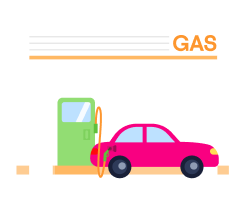
High fuel prices increase demand for small cars and EVs. If fuel prices are low, it's time to sell your thirsty SUV or performance car.
I’ve got my car valuation. What should I do next?
Your free car valuation with Carmoola gives you options.
Check your equity
Subtract any remaining finance from your car price. If the number is positive, that amount can become your potential deposit towards your next car.

Act quickly
Used car prices can move fast. If you’re happy with your valuation, consider getting dealer quotes or listing privately within 48 hours.

Plan your next move
Knowing your car price helps you set a realistic budget for your next vehicle. And if you’re thinking about part-exchange or car finance, we can help you explore your options without pushy sales calls.